





A Festival of Unseen Varieties
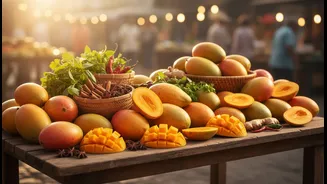
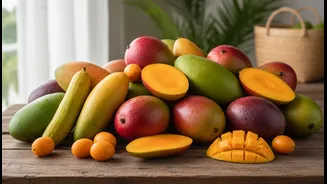
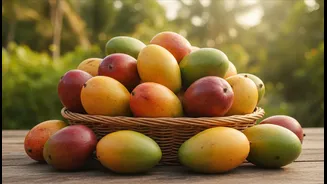
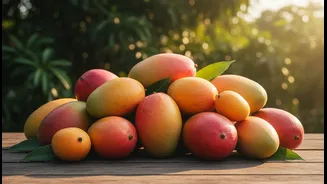
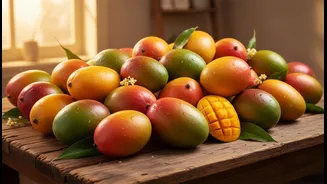
At mango festivals, or 'melas', from Pinjore in Haryana to Lucknow in Uttar Pradesh and even Agartala in Tripura, the sheer diversity on display is staggering. While most city dwellers are familiar with a handful of commercial names like Alphonso, Langra,
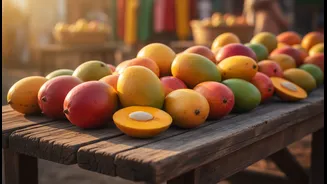
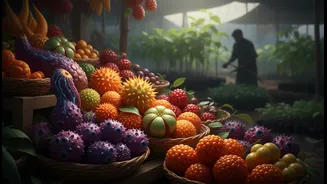
or Dasheri, these events bring hundreds of lesser-known, heirloom varieties to the forefront. Festivals in Uttar Pradesh have been known to exhibit over 700 or 800 varieties, with some as small as grapes and others as large as papayas. These gatherings are more than just markets; they are living libraries of genetic diversity, celebrating local heritage and offering a taste of mangoes that rarely reach commercial shelves.
Why Diversity Is a Farmer's Shield
The focus on diversity is not just for novelty. It is a critical strategy for agricultural resilience. A farm that grows only one type of mango—a practice known as monoculture—is extremely vulnerable. A single new pest, disease, or a sudden shift in weather can wipe out an entire crop. Climate change is already making weather patterns more erratic, with extreme heatwaves and unseasonal rains threatening mango cultivation. Studies have shown that even a one-degree Celsius rise in temperature can reduce yields significantly. By cultivating multiple varieties, farmers can spread their risk. Some local varieties are naturally more resistant to drought, while others might be better at fighting off specific fungal diseases or pests. This genetic diversity acts as a natural insurance policy.
A Hedge Against Climate Change
Agricultural experts warn that many popular commercial mango varieties are highly sensitive to climatic stress. The famed Alphonso, for example, is vulnerable to a disorder called spongy tissue, which is made worse by heat stress. The heatwaves of 2024 severely impacted several North Indian commercial cultivars, causing premature ripening and burning. In contrast, certain indigenous and hybrid varieties showed greater tolerance. Festivals that promote these diverse types encourage farmers to keep growing them, thereby preserving a vital genetic pool that could be crucial for developing future climate-resilient mangoes. As one Haryana official noted, these melas have become a national platform for progressive orchardists to promote horticulture and exchange knowledge on modern cultivation techniques.
Connecting Farmers to Conscious Consumers
These festivals also play a vital economic role. They create a direct link between the farmers who act as guardians of this diversity and the public. By providing a platform for sales and education, the festivals ensure that growing heirloom varieties remains economically viable for farmers. Events in Delhi and Lucknow, for instance, attract thousands of visitors, creating a new market for fruits that might otherwise be overlooked. Some festivals have also become hubs for promoting exports, with new brands being launched to give regional mangoes a stronger identity in international markets. Organisers often state that the goal is not only to celebrate the fruit but also to highlight its economic value and boost rural economies.