


From Blend Filler to Leading Star
For much of modern coffee history, India was known primarily as a producer of robust, reliable beans destined for large-scale commercial blends. The country is the world's seventh-largest coffee exporter, but its finest beans often disappeared into Italian
espressos or European coffee brands without their origin being celebrated. The global perception was of a producer of commodity coffee, particularly strong Robusta, rather than a source of nuanced, high-quality Arabica. Most of India's best beans were exported, leaving the domestic market dominated by instant coffee, meaning many Indians rarely tasted the true potential of homegrown coffee.
The Rise of Single-Origin Specialty
That narrative is changing dramatically. A new wave of Indian coffee producers, roasters, and cafes is championing 'single-origin' beans. Unlike a blend, which combines coffees from multiple places for a consistent taste, a single-origin coffee comes from one specific region or even a single farm. This approach celebrates terroir—the unique combination of soil, climate, altitude, and cultivation practices that gives a coffee its distinct character. As global consumers demand more transparency and unique flavour stories, Indian single-origin Arabica is finding a passionate audience at home and abroad.
A Journey to the Southern Hills
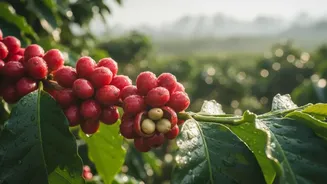
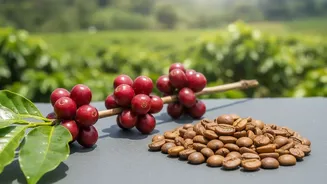
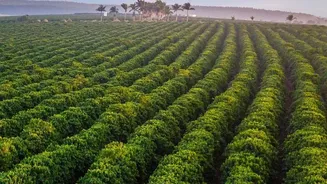
The heart of this revolution lies in the verdant southern hills of the Western and Eastern Ghats. Regions like Chikmagalur, Coorg, Wayanad, and the Baba Budangiri hills have been cultivating coffee for centuries, since the Sufi saint Baba Budan allegedly planted the first seven beans in the 17th century. What makes this coffee unique is the practice of shade-growing. Unlike sun-drenched plantations elsewhere, Indian coffee grows under a canopy of native trees, often intercropped with spices like pepper and cardamom. This biodiversity-rich environment slows down the coffee cherry's maturation, allowing more complex sugars and acids to develop, resulting in a more flavourful bean.
What Does It Taste Like?
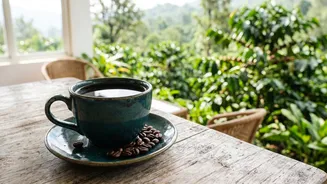
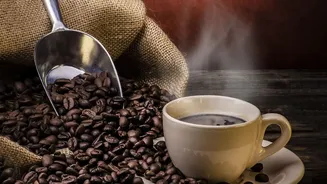
So, what can you expect in the cup? Forget the old stereotypes of bitter, harsh coffee. Indian single-origin Arabica is known for its balance, smooth body, and gentle acidity. Flavour profiles vary by region. Chikmagalur, the birthplace of Indian coffee, often yields beans with bright, floral, and citrus notes. Coffee from Coorg is typically fuller-bodied, with comforting notes of chocolate, nuts, and spice. Further east, the organically-grown tribal coffees of the Araku Valley in Andhra Pradesh have gained international acclaim for their unique fruit-forward notes and bright acidity. Brands like Araku Coffee have won prestigious awards in Paris, proving that Indian beans can compete with the world's best.
Global Recognition and the Road Ahead
The world is taking notice. Indian specialty coffees are now being featured in the World Barista Championships and served in specialty cafes from Tokyo to Berlin. The unique Monsooned Malabar, a process where beans are exposed to monsoon winds to develop a low-acid, heavy-bodied, and earthy flavour, has long been prized in Europe and now holds a Geographical Indication (GI) tag. This process, originally an accident of long sea voyages, is a testament to India's unique coffee heritage. With growers experimenting with advanced processing methods and a growing number of estates gaining international recognition for their high-quality microlots, the perception of Indian coffee has been irrevocably altered.