



The Rise of Astrotourism
Astrotourism, or travelling for the purpose of stargazing, is no longer a niche hobby for astronomers. It has become a mainstream aspiration for those seeking a 'digital detox' and a connection with the natural world. In India, a country with vast, sparsely
populated regions and some of the highest inhabited areas on Earth, the conditions are perfect. The post-pandemic urge for unique, meaningful experiences has fuelled this boom. Travellers are swapping beach parties for star parties, seeking the humbling awe that comes from gazing into the infinite. This isn't just about seeing stars; it's about experiencing a sense of wonder that urban life often eclipses.
1. Hanle, Ladakh: India's First Dark Sky Reserve
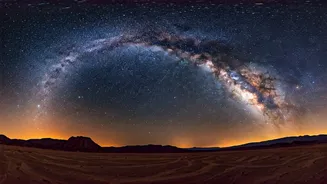
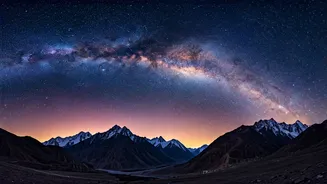
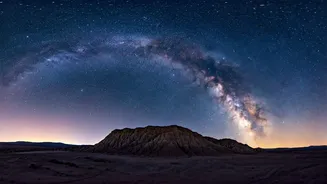
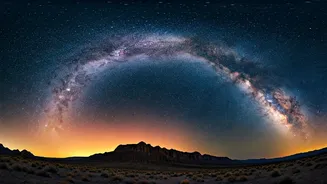
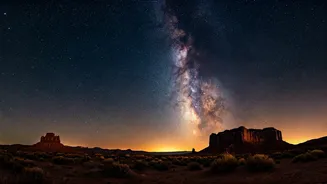
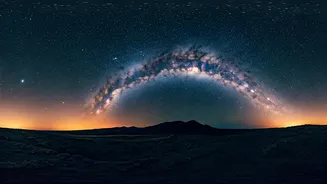
Topping any list is the Hanle Dark Sky Reserve in Ladakh, a globally recognised sanctuary for pristine night skies. Officially designated in 2022, this high-altitude cold desert region has minimal light pollution, clear atmospheric conditions, and dry weather, making it one of the best stargazing sites in the world. Located within the Changthang Wildlife Sanctuary, Hanle is also home to the Indian Astronomical Observatory. A trip here isn't just a holiday; it's a pilgrimage for celestial enthusiasts. The sheer density of stars visible to the naked eye, with the Milky Way arching magnificently across the sky, is a truly unforgettable sight. Local communities are also being trained to run astro-homestays, blending tourism with science.
2. Spiti Valley, Himachal Pradesh: A High-Altitude Haven
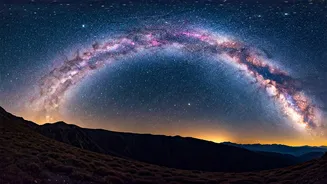
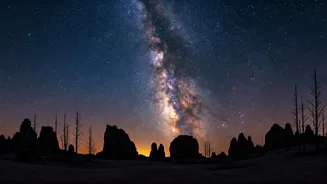
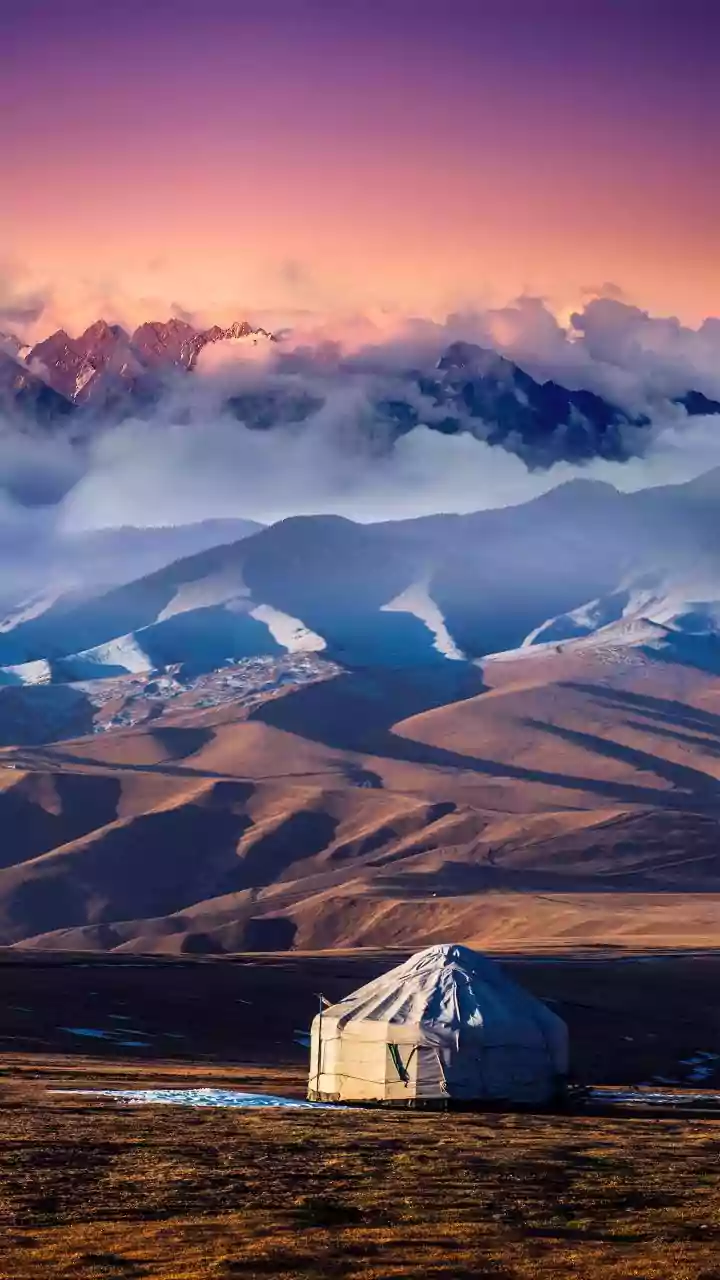
Often called 'Little Tibet', the Spiti Valley offers a similar high-altitude, low-humidity environment to Ladakh. Its remote villages, like Kaza, Kibber, and Langza, sit at over 12,000 feet, far from the polluting haze of major cities. The stark, dramatic landscapes of this mountain desert provide a breathtaking foreground to the celestial show above. On a clear, moonless night, the Milky Way appears so bright it feels almost tangible. Numerous tour operators and local guesthouses now cater specifically to stargazers, offering guided sessions and basic equipment to help visitors identify constellations, planets, and even distant nebulae.
3. Rann of Kutch, Gujarat: Stars Over the Salt Desert
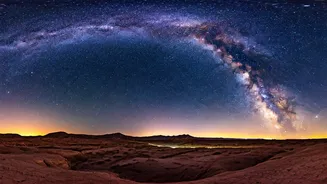
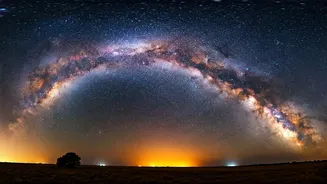
For a completely different but equally magical experience, the Great Rann of Kutch is an unparalleled destination. Imagine a vast, flat expanse of white salt stretching to the horizon, reflecting the star-dusted sky above. The sense of space is immense and disorienting in the best way possible. While the area gets popular during the Rann Utsav festival, venturing to the region's darker, more isolated pockets offers a surreal stargazing opportunity. The dry desert air ensures excellent visibility, and the unique geography creates a feeling of being on another planet, with the cosmos unfolding in a 360-degree panorama.
4. Coorg, Karnataka: A South Indian Surprise
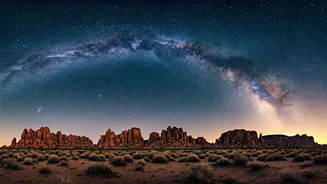
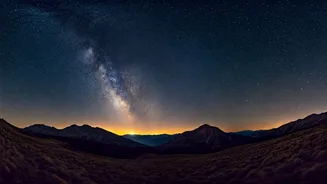
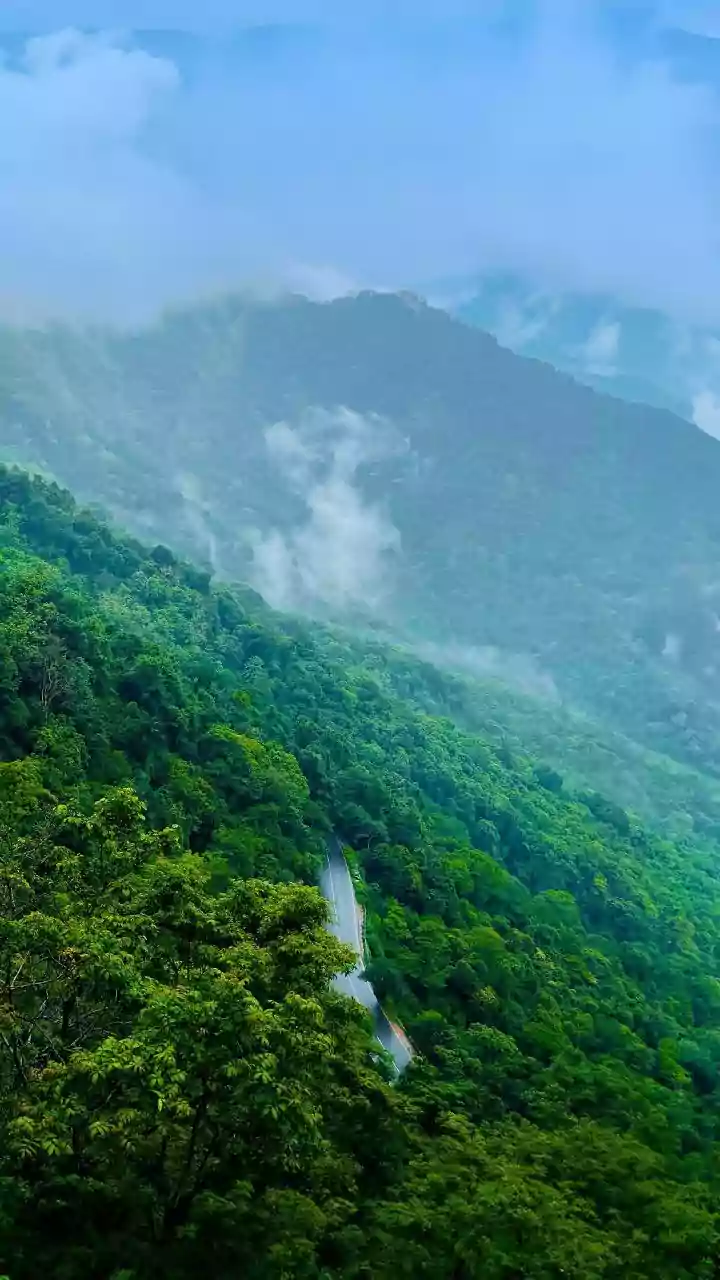
Astrotourism isn't confined to the Himalayas or northern deserts. In the south, the rolling hills and coffee plantations of Coorg in Karnataka offer a surprisingly clear window to the universe. Away from the bustle of Bengaluru and Mysuru, the region's hilly terrain and dense plantations help shield it from light pollution. Several resorts and homestays in areas like Madikeri have started leveraging their dark skies by offering 'stargazing nights'. While not as pristine as Hanle, Coorg provides a more accessible and lush green alternative for those in southern India to witness the beauty of the constellations and the faint, beautiful glow of the Milky Way.