
Choose Monsoon-Happy Herbs
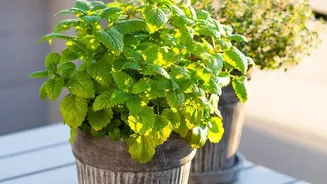
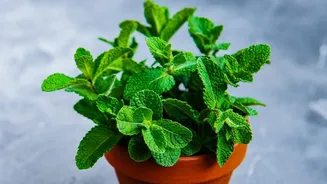
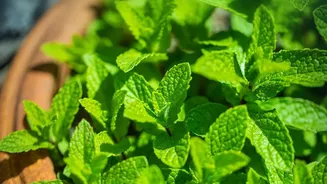
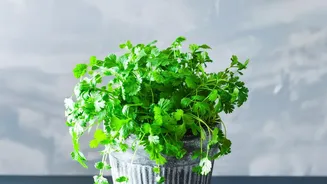
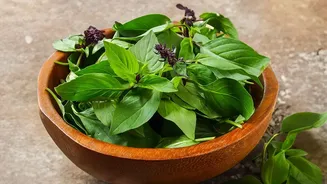
Not all herbs are created equal when it comes to handling the Indian monsoon's humidity and heavy downpours. Start with resilient varieties that thrive in these conditions. Mint (Pudina) is perhaps the most forgiving, as it loves consistently moist soil
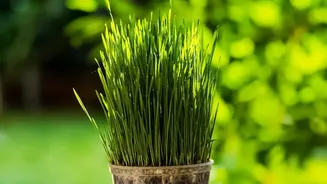
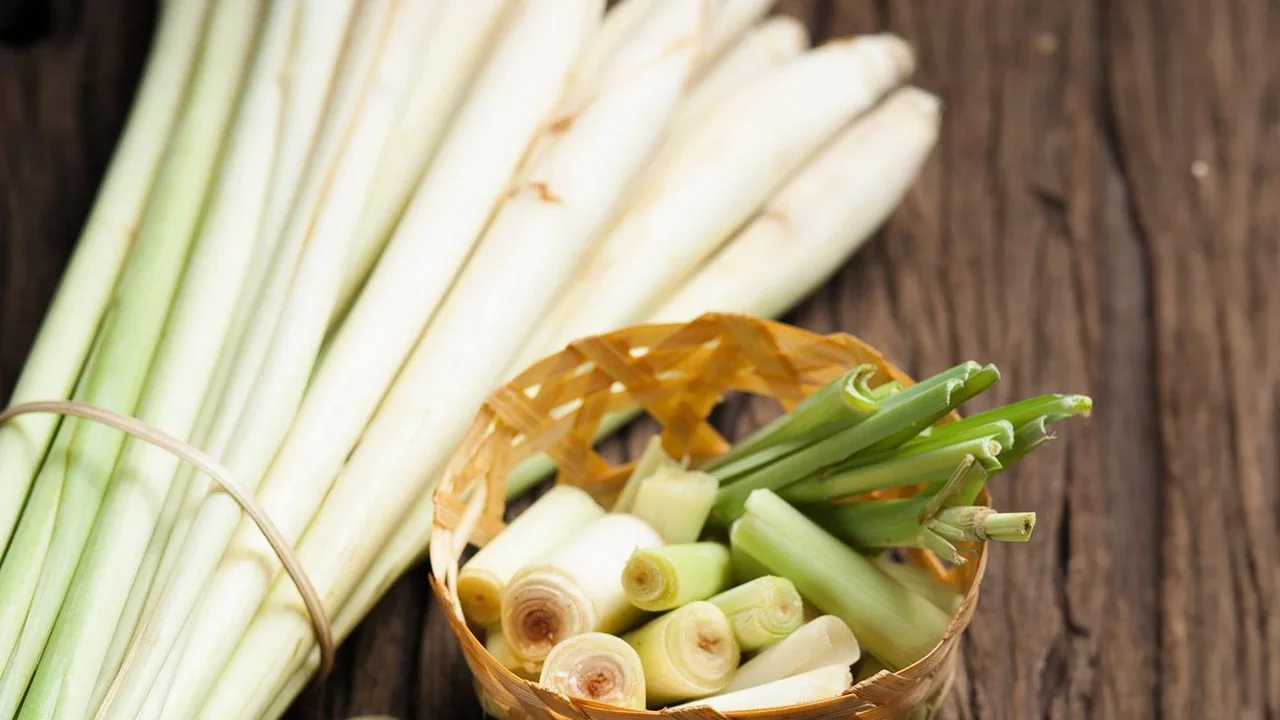
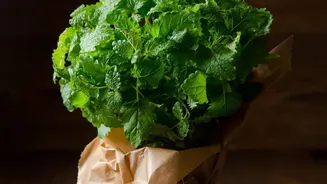
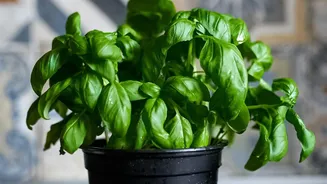
and partial shade, which is common on cloudy days. Holy Basil (Tulsi) is another excellent choice, known for its ability to boost immunity, which is especially helpful during damp months. It's adaptable and can be easily grown in small pots. Fast-growing Coriander (Dhania) and low-maintenance Lemongrass are also great options that do well in the rainy season, providing you with fresh flavours for your chai and curries. Starting with these herbs increases your chances of success and builds confidence.
Make Drainage Your Top Priority
The single biggest enemy for balcony plants during the monsoon is waterlogging, which leads to root rot. Plant roots need oxygen to breathe, and saturated soil suffocates them. Your first line of defence is ensuring every pot has functional, unclogged drainage holes. Don't use decorative planters without holes unless you are double-potting (placing a pot with holes inside the decorative one). A simple but highly effective hack is to elevate your pots. Placing them on bricks, small stones, or dedicated pot stands allows excess water to drain away freely and improves air circulation around the roots, preventing them from sitting in a puddle. Also, make it a rule to empty any water that collects in the saucers under your pots.
Get the Soil Mix Right
Standard garden soil is often too heavy for containers and can become a dense, muddy mess during the monsoon, restricting root growth. The secret to happy container herbs is a light, well-draining potting mix. You can buy a commercial mix or create your own. A great formula for monsoon conditions is a blend of regular potting soil, compost for nutrients, and a material that improves aeration and drainage, such as cocopeat or sand. This type of mix retains enough moisture to keep the plants happy without becoming waterlogged, giving the roots the perfect balance of water and air.
Water Wisely, Not by Schedule
It's a common mistake to stick to a summer watering schedule once the rains begin. With high humidity and frequent showers, your herbs need far less manual watering. The golden rule is to always check the soil before you water. Insert your finger or a small stick about an inch or two into the soil. If it comes out damp, the plant does not need more water. For plants directly exposed to rain, you may not need to water them manually at all. Focus instead on ensuring the pots are draining well. Overwatering is the leading cause of root rot, so letting the topsoil dry out slightly is crucial.
Guard Against Pests and Fungi
High humidity creates a breeding ground for fungal diseases like powdery mildew and pests such as aphids, mealybugs, slugs, and snails. Prevention is key. Ensure good air circulation by not overcrowding your plants. Prune any yellowing or dead leaves regularly to keep the plant healthy and reduce disease risk. A fantastic organic solution is a neem oil spray. Dilute it with water and a little mild soap, and spray it on the leaves every week or so to repel common pests and prevent fungal infections. Also, keep the soil surface clean by removing fallen leaves, which can harbor pests.
Position for Partial Protection
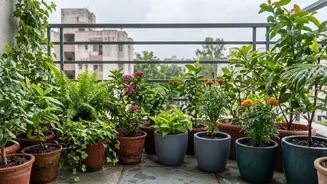
While rain is good, the full force of a monsoon downpour can damage delicate herb leaves and flood pots. If possible, position your plants strategically. Place them in a spot on your balcony where they receive bright, indirect light but are shielded from the heaviest, most direct rain. For example, placing them closer to the wall or under an overhang can make a big difference. This gives them the benefit of the monsoon's moisture and humidity without the risk of being constantly waterlogged or physically damaged by strong winds and heavy rainfall.