






What Exactly Are Blue Bonds?
Think of blue bonds as a specific type of green bond, but with a laser focus on water. They are debt instruments issued by governments or corporations to raise capital exclusively for projects related to marine and water sustainability. The funds raised
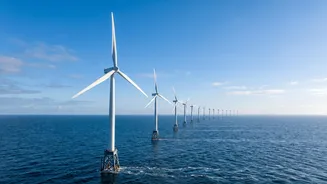
are earmarked for initiatives like sustainable fisheries, marine conservation, wastewater management, controlling plastic pollution, and even developing offshore renewable energy. The world's first blue bond was issued by the Seychelles in 2018, raising funds to better manage its marine resources. The core idea is to channel investment towards projects that protect ocean health while still providing a financial return, making it an attractive proposition for the growing number of ESG (Environmental, Social, and Governance) focused investors.
SEBI's Regulatory Push
The new momentum in India comes directly from the market regulator. The Securities and Exchange Board of India (SEBI) has officially recognised blue bonds as a distinct sub-category of green debt securities. This move provides a formal regulatory framework, which is crucial for building investor confidence. The regulations will mandate clear disclosure norms, eligibility criteria for projects, and third-party verification to ensure the funds are used as intended. This framework aims to bring transparency and prevent "blue-washing"—where environmental benefits are overstated. This regulatory clarity is a significant step, moving blue bonds from a niche concept to a mainstream financial instrument within India's growing sustainable finance landscape.
Tapping into India's Blue Economy
This push for blue bonds aligns perfectly with the Indian government's focus on the 'Blue Economy'. This broad vision encompasses all economic activities related to oceans and coasts, aiming to balance growth with environmental protection. The government has identified the blue economy as a key driver for future growth, with plans like the Deep Ocean Mission and the Sagarmala project aimed at boosting maritime infrastructure and resource exploration. The blue economy includes traditional sectors like fisheries and shipping, along with emerging areas like marine biotechnology and offshore wind energy. Blue bonds provide a dedicated financing channel to fund these ambitious projects, turning policy goals into investable realities and helping India pursue its goal of building a $100 billion blue economy.
Opportunities for Growth and Conservation
The potential applications for blue bond financing in India are immense. Funds could be used to modernise fishing fleets to make them more sustainable, restore critical ecosystems like coral reefs and mangroves, build better port infrastructure to reduce pollution, and invest in coastal tourism in a responsible way. These projects not only contribute to environmental goals, such as those under the UN's Sustainable Development Goals, but also support livelihoods in coastal communities. For investors, the formalisation of blue bonds offers a new asset class to diversify their portfolios while contributing to tangible positive impacts. As the global demand for sustainable investments continues to rise, India is well-positioned to attract significant capital for its blue economy projects.
The Challenges Ahead
Despite the promise, the path forward has its challenges. One of the primary hurdles is the relative novelty of blue bonds. Compared to the more established green bond market, there is a smaller pipeline of clearly defined, investment-ready 'blue' projects. There are also concerns around the difficulty of measuring the precise environmental and social impact of these projects, which can deter some investors. An initial SEBI proposal in 2022 drew some criticism for including oceanic resource mining as a potential use of funds, highlighting the complexities in defining what truly qualifies as 'blue' and sustainable. Building investor awareness and ensuring rigorous, transparent reporting will be key to overcoming these hurdles and building a robust market.