



The Problem with Today's Batteries
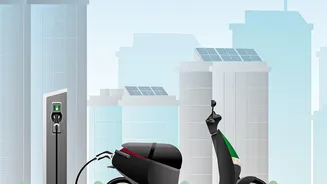
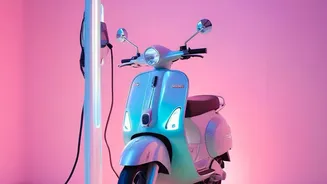
At the heart of nearly every electric scooter on the road today is a lithium-ion battery. This technology has been a workhorse, powering everything from our phones to our two-wheelers. However, it comes with limitations that scooter owners know all too
well. The liquid electrolyte inside, which allows energy to flow, is flammable. This creates a risk of overheating and, in rare cases, fires, which has been a concern for consumers. Furthermore, these batteries have a finite lifespan, losing capacity with every charge cycle, and their performance can dip in extreme temperatures. Most importantly for many buyers, the cost of lithium-ion battery packs is a major part of an electric scooter's final sticker price, keeping them just out of reach for a large segment of the market.
What Are Solid-State Batteries?
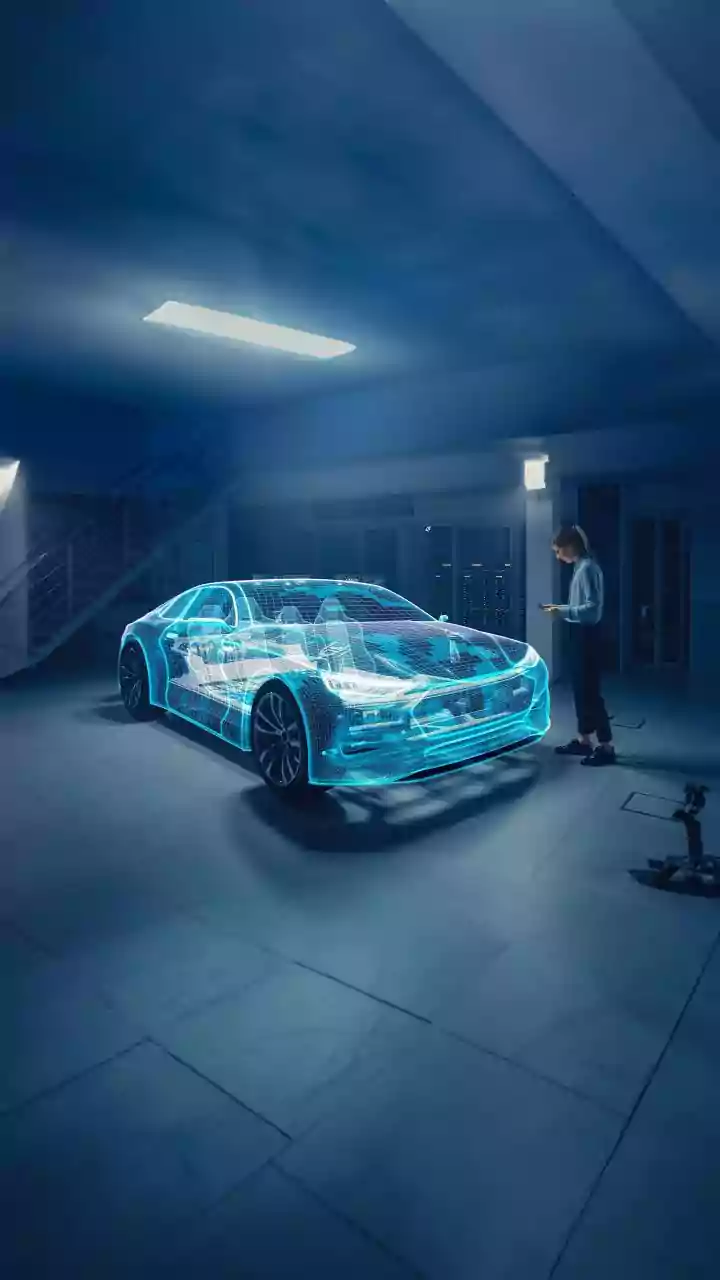
Enter the solid-state battery, a technology that experts see as the next major leap in energy storage. The core difference is simple but profound: it replaces the flammable liquid electrolyte used in lithium-ion batteries with a solid material, often a ceramic or polymer composite. This fundamental change gets rid of the fire risk associated with liquid leaks, making the batteries inherently safer. But the benefits don't stop there. By using a solid electrolyte, engineers can use more advanced materials, like a lithium metal anode, to dramatically increase the battery's energy density. In simple terms, this means storing significantly more power in the same amount of space, or making the battery pack smaller and lighter while keeping the same range.
The Breakthroughs Paving the Way for Affordability
The headline claim that solid-state batteries are making scooters affordable 'today' is a slight overstatement; they are not yet in mass-market scooters. However, the breakthroughs making this future possible are happening now. The primary challenge has been the immense cost and complexity of manufacturing these solid electrolytes at scale. Companies globally are now developing new, more efficient production methods. Recent announcements show progress in creating stable, conductive solid electrolytes that can be produced more reliably. As these manufacturing processes mature and scale up, the cost per unit is expected to fall dramatically, much like we saw with lithium-ion batteries over the last decade. The ultimate goal for many companies is to achieve cost parity with, and then undercut, current battery technology.
More Than Just Price: A Better Riding Experience
While affordability is the end goal, solid-state technology promises a vastly superior ownership experience along the way. The biggest game-changer will be range. With energy densities potentially double that of current batteries, a scooter that now gets 80 km on a charge could travel 150 km or more. Charging times are also set to plummet. Instead of waiting hours for a full charge, future scooters could be topped up in as little as 15-20 minutes. These batteries also last longer, enduring more charge cycles before they start to degrade, which means a longer lifespan for your scooter and a better return on investment. Finally, their improved ability to handle both hot and cold weather means more consistent performance year-round.
What This Means for the Indian Market
The transition to solid-state technology is particularly exciting for India's massive two-wheeler market. Major players are already investing in this future. Ola Electric, a leading scooter manufacturer, has announced plans for a gigafactory with a focus on developing solid-state batteries in-house. Other Indian firms like Vikram Solar and GODI are also entering the energy storage space with solid-state ambitions. As this technology becomes commercially viable, likely starting with premium models between 2027 and 2030, it will eventually trickle down to more affordable segments. This localisation of advanced battery manufacturing is crucial for reducing the final cost of electric vehicles in India, moving the country closer to its electric mobility goals.