





Finding a cardio workout you actually enjoy is the secret to consistency. Dancing and swimming are both fantastic options, but they offer very different experiences. Let's break down which one might be the perfect fit for your fitness goals and lifestyle.
The Cardio and Calorie Question
Both activities provide an excellent cardiovascular workout, strengthening your heart and improving circulation. When it comes to burning calories, the intensity is key. High-energy dance forms like hip-hop, salsa, or even a vigorous Bollywood session can burn a significant number of calories, sometimes matching or exceeding running and cycling. A University of Brighton study found that styles like street and swing dance can burn more calories than swimming in the same timeframe. Swimming, on the other hand, offers a full-body workout where the water's resistance forces your heart and muscles to work hard. A steady-paced swim can burn hundreds of calories per hour, with the exact number depending on your weight and effort.
Impact on Your Joints
This is where the two activities diverge significantly. Swimming is famously a low-impact exercise. The buoyancy of the water supports your body weight, which means there's minimal stress on your joints—hips, knees, and ankles. This makes it an ideal choice for individuals with arthritis, joint pain, or those recovering from injuries. Dancing's impact varies by style. While many forms are lower-impact than running, high-energy routines with lots of jumping can be demanding on the joints. However, the varied, multi-directional movements in dance can engage stabiliser muscles that are often missed in more repetitive exercises.
Strength, Tone, and Coordination
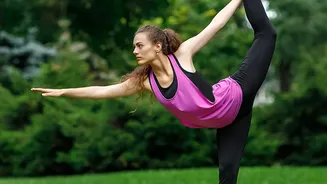
Swimming is a true full-body workout. It engages your arms, legs, back, and core simultaneously as you push and pull against the water's resistance. This helps build lean muscle and improves overall endurance. It also forces you to coordinate your breathing with your movements, which can be a skill in itself. Dancing is also a full-body activity that enhances coordination, balance, and rhythm. Learning choreography challenges your mind and body, improving motor skills and memory. Different dance styles target different muscle groups; for instance, ballet is excellent for leg strength and core control, while hip-hop builds agility.
Mind and Mood Boost
Exercise of any kind is a known mood-booster, thanks to the release of endorphins. Dancing, with its combination of music and expressive movement, can be particularly effective at reducing stress and anxiety. It’s often a social activity, and the sense of community in a dance class can be a powerful motivator. Swimming offers a different kind of mental benefit. The rhythmic, repetitive nature of strokes and the sensation of being in water can be meditative and calming. It provides a unique opportunity to disconnect from screens and daily distractions, allowing for a focused, mindful state that helps reduce stress.
Accessibility and Sustainability
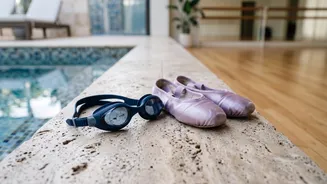
The key to a sustainable workout is enjoyment and convenience. Dancing holds a major advantage in accessibility; you can do it anywhere, anytime, with no special equipment other than some music. There are countless free tutorials online, making it a very low-cost option. Swimming requires access to a pool, which can involve membership fees and travel time. For some, factors like chlorine damage to hair and skin can also be a deterrent. Ultimately, the activity you're most likely to stick with is the one that feels less like a chore and more like fun. If you love music and social energy, dance might be your winner. If you seek a quiet, meditative full-body challenge, the pool may be calling your name.