


A Legacy Woven in Thread
The story of Indian handloom is as old as the country itself, with dyed fabrics documented as far back as 2500 BC. This is not merely a sector; it is a living museum of artistry passed down through generations. National Handloom Day, established in 2015,
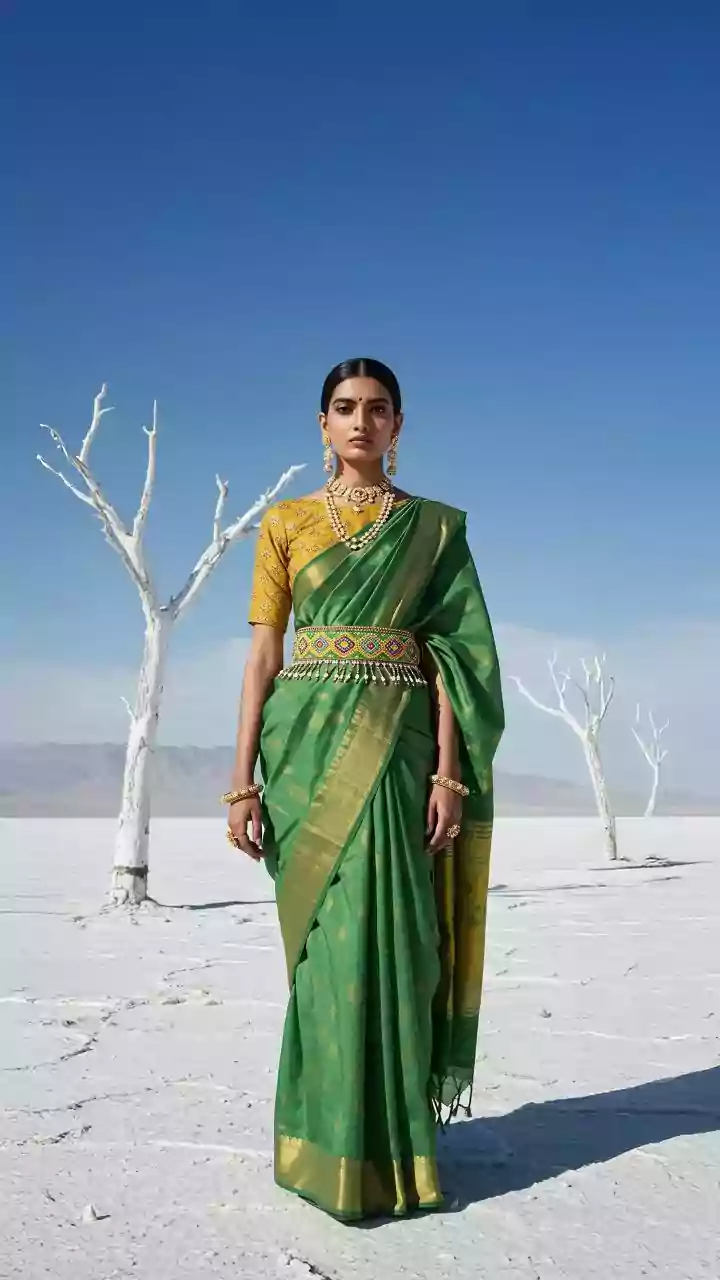
commemorates the Swadeshi Movement, which began on August 7, 1905, and championed indigenous industries against foreign goods. This historical link imbues the day with a spirit of self-reliance and cultural pride. From the Banarasi silks of Uttar Pradesh to the Pochampally Ikat of Telangana, each weave tells a story of its region, carrying with it a unique identity and a low environmental footprint in an era of fast fashion. Today, India produces nearly 95% of the world's handwoven fabric, making it a global custodian of this ancient craft.
The People Behind the Fabric
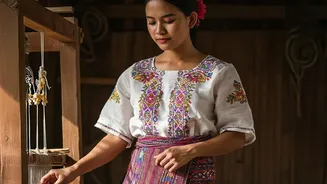
The number is staggering: over 35 lakh, or 3.5 million, people are engaged in handloom work in India, according to the Fourth All India Handloom Census. This makes it the country's second-largest source of employment after agriculture. The demographic is just as significant, with over 70% of all handloom workers being women. For millions in rural India, weaving is not just a job but a crucial source of income and financial independence that supports entire families and communities. The craft is deeply integrated into the household, with skills passed from one generation to the next, preserving not just techniques but a way of life. This workforce, predominantly located in rural areas, is the engine that keeps this multi-billion dollar heritage economy alive.
Modern Challenges for an Ancient Craft
Despite its cultural significance, the handloom sector faces immense pressure. The biggest threat comes from power looms, which can mass-produce textiles at a fraction of the cost, making it difficult for handwoven products to compete on price. Weavers also grapple with volatile and rising costs of raw materials like cotton and silk yarn. Compounding these issues are low wages, with many artisans earning far below official minimum wage standards despite the intensive labour their craft demands. Many weavers lack direct access to markets, relying on middlemen who often absorb a large share of the profits. Furthermore, a lack of modern marketing knowledge and limited e-commerce adoption means many artisans struggle to reach a wider, more appreciative audience.
A Push for Revival and Support
Recognising these challenges, the government has implemented several schemes to support the sector. Initiatives like the National Handloom Development Programme (NHDP) aim to provide holistic support, from skill upgradation and access to subsidised raw materials to marketing assistance. The Weaver MUDRA Scheme offers concessional loans to help weavers manage their working capital and invest in their craft. Promoting handloom through platforms like the Government e-Marketplace (GeM) and encouraging campaigns such as 'Vocal for Local' are also part of the strategy to boost visibility and sales. These programs are crucial lifelines, designed to make handloom units more self-reliant and competitive while preserving their traditional roots. This year's celebrations on August 7 will see the President of India presenting awards to honour outstanding weavers.