




The Age-Old Question of Size
For decades, owners, veterinarians, and scientists have observed a striking trend in dogs that defies the rule seen elsewhere in the animal kingdom. While larger mammals like whales and elephants tend to live much longer than smaller ones like mice, the opposite
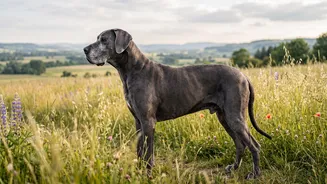
is true within the single species of Canis familiaris. A tiny Chihuahua can live for 15 to 20 years, while a majestic Great Dane's lifespan is often less than a decade. The prevailing theory has been that larger breeds simply 'wear out' faster due to the increased strain on their bodies or that their rapid growth leads to a higher incidence of diseases like cancer. While these factors play a role, a deeper explanation has remained elusive, prompting scientists to look for answers not just in the body, but within the very code of life itself.
A New Look Inside the Genome
A landmark study from researchers involved in the Dog Aging Project, a massive long-term effort to understand canine health, has provided a compelling molecular reason for this discrepancy. By analysing the DNA of nearly 900 dogs from a wide variety of breeds, scientists investigated the 'epigenome'—a layer of chemical instructions that sits on top of DNA and tells genes when to turn on and off. These epigenetic markers change predictably with age, allowing scientists to create an 'epigenetic clock' that measures a dog's biological age, which can be different from their chronological age in years. The study revealed that larger dogs don't just get age-related diseases sooner; their epigenetic clocks are fundamentally ticking faster.
The Role of 'Jumping Genes'
The key finding centres on what scientists call 'transposable elements', or more colloquially, 'jumping genes'. These are stretches of DNA that can copy themselves and move to other locations in the genome. When they do, they can cause damage and genomic instability, which are hallmarks of aging. Your body has a way of keeping these jumping genes in check using a process called DNA methylation, which essentially puts a chemical lock on them. However, the study found that as dogs age, these locks begin to fall off—and they fall off much faster in large dogs. Specifically, the regulation of a jumping gene called LINE1 appears to be a major factor. On average, giant breeds lost the chemical locks on their LINE1 genes about 35% faster per year than small breeds. This loss of control is believed to contribute directly to accelerated aging at the cellular level.
The Trade-Off of Growing Big
This accelerated cellular aging appears to be an unfortunate side effect of the very thing that makes these dogs so magnificent: their size. Over centuries, humans have selectively bred dogs for rapid growth to achieve breeds like mastiffs and wolfhounds. This intense selection likely favoured genetic pathways that promote fast cell division, such as the one involving a hormone called Insulin-like Growth Factor 1 (IGF-1). While crucial for growth, this 'live fast, die young' approach at the cellular level comes at a cost. The biological systems that push for rapid development may do so at the expense of long-term maintenance and DNA repair, leading to the quicker deterioration observed in the study. The research suggests a fundamental trade-off between growth and lifespan is hardwired into the biology of large dogs.
What This Means for Dog Lovers
For now, these findings don't change the day-to-day advice for caring for a large-breed dog: a high-quality diet, maintaining a healthy weight to reduce joint stress, and regular vet check-ups remain paramount. However, this research opens up exciting new possibilities for the future of canine medicine. By understanding the specific molecular pathways of aging, scientists may one day develop interventions that can help slow this process down. For instance, therapies targeting the IGF-1 pathway are already being explored to potentially extend the 'healthspan'—the period of healthy life—for large dogs. This study provides not just an answer to a long-standing question but also a roadmap for future research aimed at giving us more quality time with our beloved gentle giants.