




An Irregular Monsoon Season
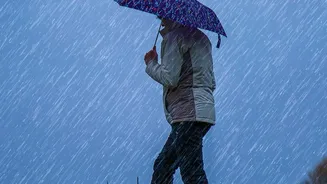
The 2026 southwest monsoon season has been erratic and is concluding with a significant shortfall in rainfall. As of mid-September, the all-India monsoon deficit stood at around 15% below the long-period average. This deficit wasn't uniform; the south peninsula
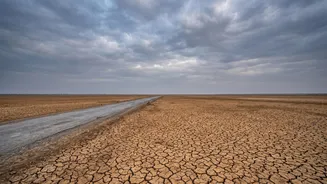
was hit hardest with a 28% shortfall, while many states in the northeast and northwest also faced deficient rainfall. The India Meteorological Department (IMD) has noted that the withdrawal of the monsoon is expected to commence around September 19 from west Rajasthan, a couple of days later than the usual date of September 17. However, this slight delay is not expected to make up for the seasonal deficit, cementing 2026 as a drier-than-usual monsoon year, influenced by a strengthening El Niño phenomenon which typically suppresses rainfall over India.
A Different Winter in the Himalayas
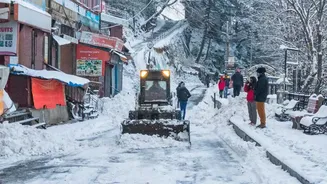
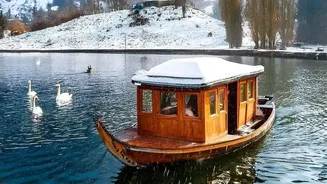
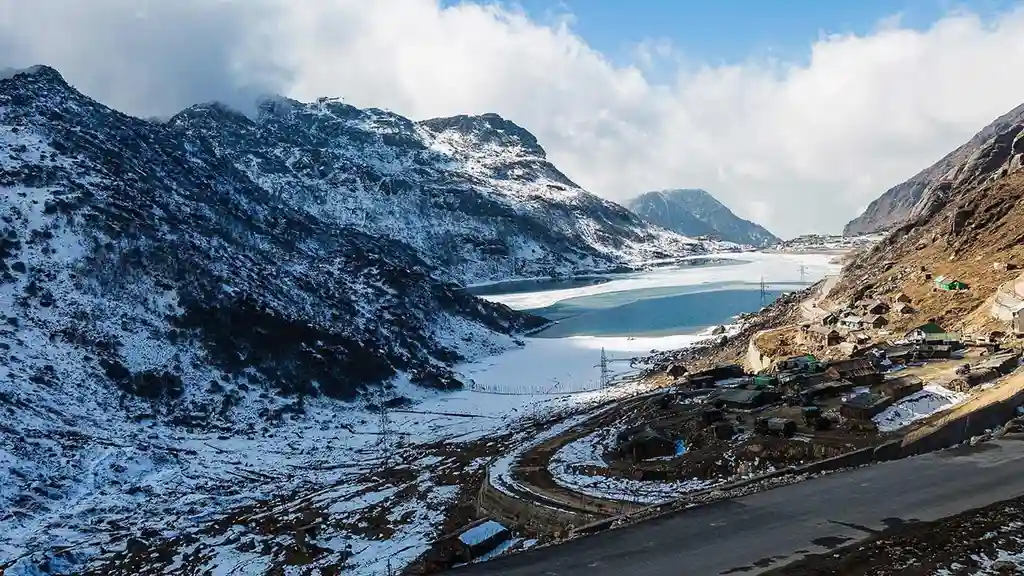
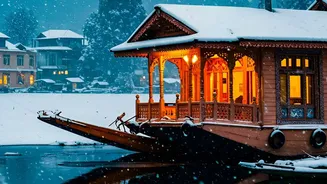
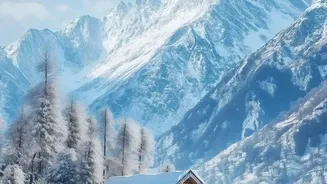
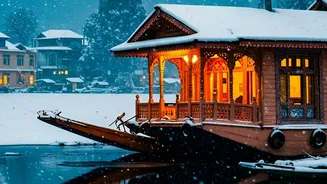
For those dreaming of a white winter, this year’s monsoon pattern offers a complex forecast. A weaker monsoon often correlates with less residual moisture in the atmosphere, which can translate to lighter or delayed snowfall in the Himalayas. Regions like Jammu & Kashmir and Ladakh have experienced a large rainfall deficit this season. While destinations like Himachal Pradesh and Uttarakhand saw rainfall closer to normal levels, the overall sub-par monsoon could affect the timing and intensity of early winter snow. Travellers planning skiing trips or seeking snow-clad landscapes in places like Manali, Gulmarg, or Auli should monitor local forecasts closely. The season may start slower, but the presence of a strong El Niño could also lead to unpredictable, sharp western disturbances, bringing sudden heavy snowfall later in the winter. Flexibility will be key for mountain-bound tourists.
Southern Landscapes and Water-Based Tourism
The impact of the rain deficit is most pronounced in the southern states. Kerala, a popular winter destination known for its lush backwaters and green landscapes, faced a 20% rainfall deficit. Similarly, Karnataka and Tamil Nadu also recorded significant shortfalls. This could mean lower water levels in reservoirs and backwaters, potentially affecting houseboat tours and the vibrant green scenery that draws travellers post-monsoon. While the landscape will still be beautiful, the peak lushness might be less intense than in years with bountiful rain. On the other hand, less rainfall could mean clearer skies and more pleasant, less humid weather for sightseeing in temple towns and exploring coastal areas, offering a different kind of travel experience.
Desert Blooms and Central India's Outlook
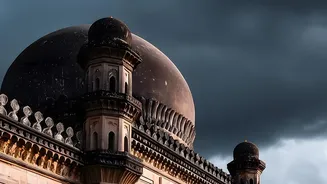
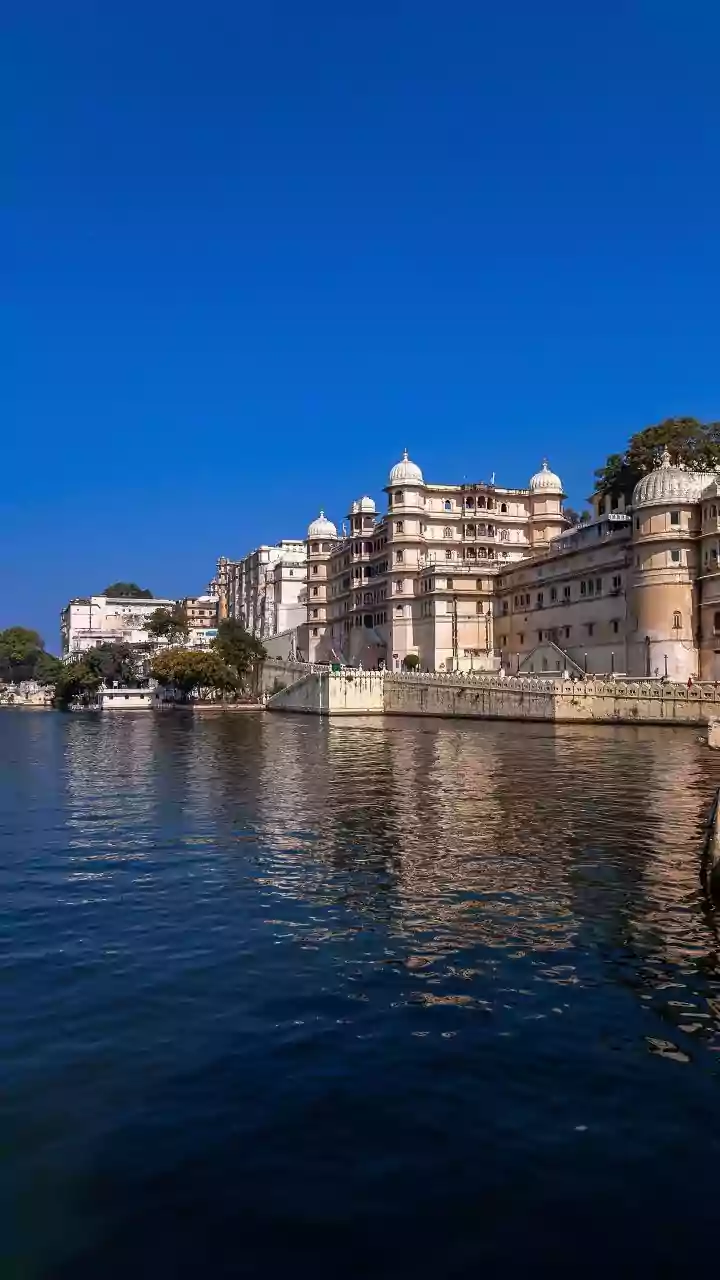
States in central and western India present a mixed picture. Rajasthan, a winter favourite, received normal rainfall this year. This is good news for destinations like Udaipur and Jaipur, suggesting that the lakes should be reasonably full, enhancing the region's royal charm. Gujarat, however, ended with a deficit. For travellers heading to the deserts, a less-than-robust monsoon might mean a less dramatic 'bloom' in the arid landscapes that can sometimes follow a very wet season. The focus will remain on heritage, culture, and the pleasant, dry winter sun, which are the primary draws for this region. The cooler weather still makes it an ideal time for exploring forts and palaces without the scorching heat of other seasons.
Planning Your Winter Getaway
Given the monsoon's performance, prospective winter travellers should adapt their strategies. Winter has become a preferred travel season for many Indians, and this year’s weather patterns add a new layer to planning. For the Himalayas, it might be wise to plan trips for later in the season (January or February) for a higher probability of snow. For the South, expect pleasant weather but perhaps less dramatic greenery and potentially altered backwater experiences. Rajasthan remains a reliable and strong choice for a cultural holiday. With a powerful El Niño in play, experts also warn of the possibility of a warmer-than-average winter across many parts of the country, which could make daytime exploration more comfortable but reduce the classic 'winter chill' many seek.