


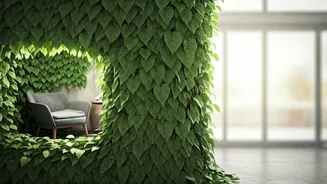


The Rise of the Green Workspace
Look around your desk. Between the laptop, the charger, the half-empty mug, and the stack of notebooks, does your workspace inspire calm and creativity? For many of us, the answer is no. Our desks have become functional but sterile zones, extensions of the digital
grind that can leave us feeling drained. This is where the concept of biophilic design comes in—a simple idea with profound effects. It’s the practice of connecting with nature within our built environments. Studies have consistently shown that even a small touch of greenery can reduce stress, improve concentration, and boost productivity. Bringing plants into our workspace isn't just about aesthetics; it's a wellness strategy. It’s a quiet rebellion against the tyranny of the screen, a living, breathing reminder of the world outside our work bubble.
Why Pothos Is Your Perfect Plant Partner
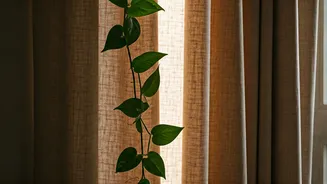
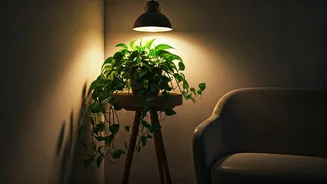
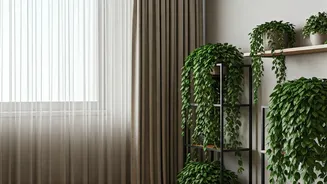
If you're one of those people who claims to kill every plant they touch, meet your match: the Pothos, or Devil's Ivy (Epipremnum aureum). This plant is famously, almost ridiculously, resilient. It thrives in a wide range of lighting conditions, from bright, indirect light to the dim corners of a cubicle. It forgives infrequent watering and practically tells you when it’s thirsty by slightly drooping. Beyond its near-indestructible nature, the Pothos is a prolific grower, with lovely heart-shaped leaves that trail gracefully, creating a beautiful cascade of green. It’s also an excellent air purifier, known for its ability to filter common indoor pollutants. For a desktop companion, you could not ask for a more low-maintenance, high-reward partner. It wants to live, and it makes you look like a seasoned plant parent with minimal effort.
The Magic of Amber Glass
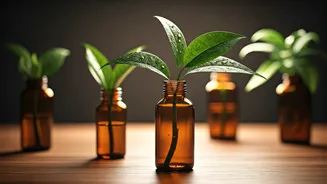
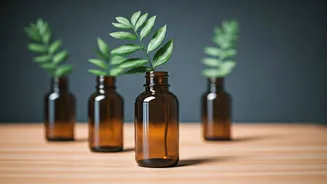
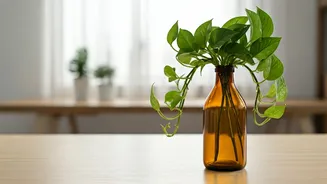
Now, let’s talk about the vessel. You could place your Pothos cutting in any old jar, but the headline is specific for a reason. An amber glass bottle elevates the entire look from a simple science experiment to a piece of intentional decor. The warm, brownish tint of the glass provides a beautiful, earthy contrast to the vibrant green leaves. It feels vintage, minimalist, and sophisticated all at once. But the choice is more than just stylistic. Amber glass has a functional advantage: it filters out certain wavelengths of light. When you're propagating a plant in a clear glass container, sunlight can encourage algae to grow in the water, turning it murky and green. The light-filtering properties of amber glass significantly slow down this process, meaning your water stays clearer for longer and the focus remains on the beautiful roots and leaves. It’s the perfect marriage of form and function.
Your Simple How-To Guide
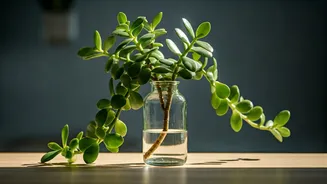
Ready to create your own? The process couldn't be simpler. 1. **Source Your Bottle:** This is the fun part. Look for old cough syrup bottles, vitamin bottles, or even beer bottles with interesting shapes. Clean it thoroughly with soap and water to remove any residue and labels. 2. **Take a Cutting:** If you have a Pothos plant, find a healthy vine and look for the small brown bumps along the stem—these are the nodes. Make a clean cut with scissors or a knife about an inch below a node. This is where the new roots will grow. If you don't have a plant, ask a friend for a cutting; Pothos owners are almost always happy to share. 3. **Add Water:** Fill your amber bottle with room-temperature water, leaving a little space at the top. Tap water is usually fine, but if your water is heavily treated, you can let it sit out for 24 hours to allow chlorine to evaporate. 4. **Place and Wait:** Submerge the node of your cutting in the water. Place your new accessory in a spot with indirect light and watch the magic happen. Within a few weeks, you should see white roots beginning to sprout. Change the water every week or two to keep it fresh and oxygenated.