






1. Ginger and Turmeric: The Immunity Power Duo
During monsoon, when humidity and fluctuating temperatures make infections more common, ginger and turmeric are essential. Both are prized in Indian households and Ayurveda for their potent anti-inflammatory and immunity-boosting properties. Gingerol
in ginger helps fight colds and soothes sore throats, making it perfect for the season. Curcumin in turmeric is a powerful antioxidant that strengthens the body against infections. This pair works wonderfully in morning teas, dals, vegetable curries, and warm soups, providing both flavour and a line of defence against seasonal illnesses. For better absorption, turmeric is often paired with a pinch of black pepper.
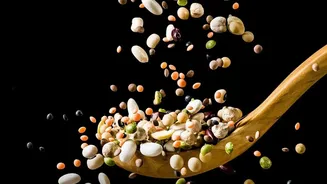
2. Lentils and Pulses: The Comforting Protein
There are few things as comforting as a bowl of hot dal or khichdi on a rainy day. Lentils and pulses, especially lighter varieties like moong dal, are highly recommended during the monsoon because they are easy to digest. Digestion can become sluggish in humid weather, and these proteins provide nourishment without being too heavy. Khichdi, a one-pot meal of rice and lentils, is considered an ideal monsoon food because it's balanced, gentle on the stomach, and incredibly soothing. Stocking up on a variety of dals ensures you always have the base for a quick, wholesome, and protein-rich meal.
3. Corn (Bhutta): The Quintessential Monsoon Snack
The sight and smell of roasted corn, or bhutta, is synonymous with the Indian monsoon. Beyond being a beloved street-side snack, corn is a surprisingly nutritious choice for the season. It is rich in fibre, which aids digestion and helps you feel full, preventing you from reaching for unhealthy fried snacks. Corn also contains essential vitamins and antioxidants that can help support your immune system during a time when it’s more vulnerable. Whether roasted over coals and rubbed with lemon and masala, boiled, or added to soups, corn provides comforting warmth and is a healthy way to indulge your snack cravings.
4. Seasonal Gourds: Light and Hydrating Vegetables
While it's wise to be cautious with leafy greens, which can harbour dirt and germs during the rains, seasonal gourds are a safe and healthy bet. Vegetables like bottle gourd (lauki), ridge gourd (turai), and snake gourd are excellent for the monsoon because they are light, easy to digest, and have a high water content. This makes them hydrating and gentle on a digestive system that can be weaker during this season. They are also rich in fibre and can be used in a variety of simple, cooked dishes like stews, curries, and dals, making them a versatile staple for healthy, home-cooked meals.
5. Yogurt (Dahi): For a Healthy Gut
Gut health is directly linked to overall immunity, and keeping it in top shape is crucial during the monsoon. Yogurt, or dahi, is an excellent source of probiotics, which are beneficial bacteria that help maintain a healthy digestive system. A healthy gut is better equipped to fight off infections that are common during the rainy season. It is best to consume fresh, homemade curd during the daytime. You can have it with your meals, blend it into a lassi or buttermilk, or use it as a base for raita. This simple addition can play a significant role in keeping stomach issues at bay.