

The Building Blocks: What Are Proteins and Amino Acids?
Think of protein as a long chain, and the individual links are called amino acids. Our bodies use 20 different amino acids to build everything from muscle tissue to hormones and enzymes. Of these, nine are called 'essential amino acids' because our bodies cannot
produce them on their own; we must get them from the food we eat. A food source that contains all nine of these essential amino acids in sufficient amounts is known as a 'complete protein'. Animal products like meat, eggs, and dairy are typically complete proteins. Most plant-based foods, however, are considered 'incomplete' because they are low in one or more of these essential amino acids.
Measuring What Matters: Protein Quality Scores
Not all protein is created equal when it comes to absorption and amino acid content. To measure this, scientists use protein quality scores. The most widely used one for food labelling is the Protein Digestibility Corrected Amino Acid Score (PDCAAS). This score evaluates a protein based on its amino acid profile and how easily it can be digested by the human body. A score of 1.0 is considered perfect, indicating the protein provides 100% of the essential amino acids required and is highly digestible. While a newer method called DIAAS is gaining traction in scientific circles for its precision, PDCAAS remains the global standard. These scores help explain why a single plant source might not be as effective as an animal source, but they also point to a powerful solution: combination.
The Perfect Partnership: Why Grains and Legumes Work Together
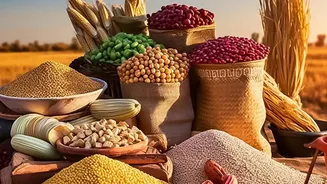
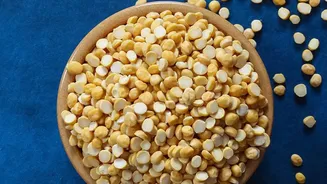
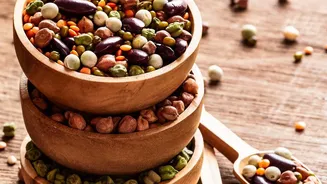
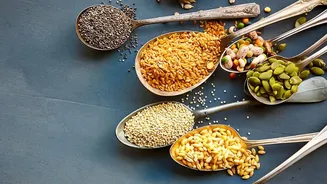
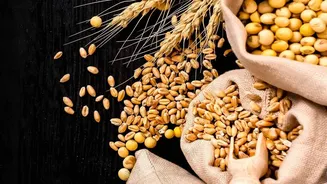
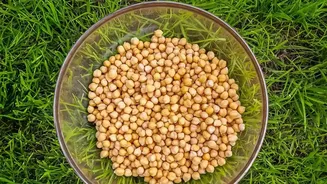
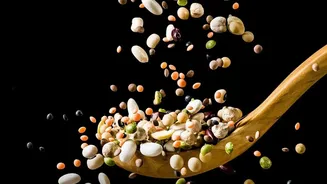
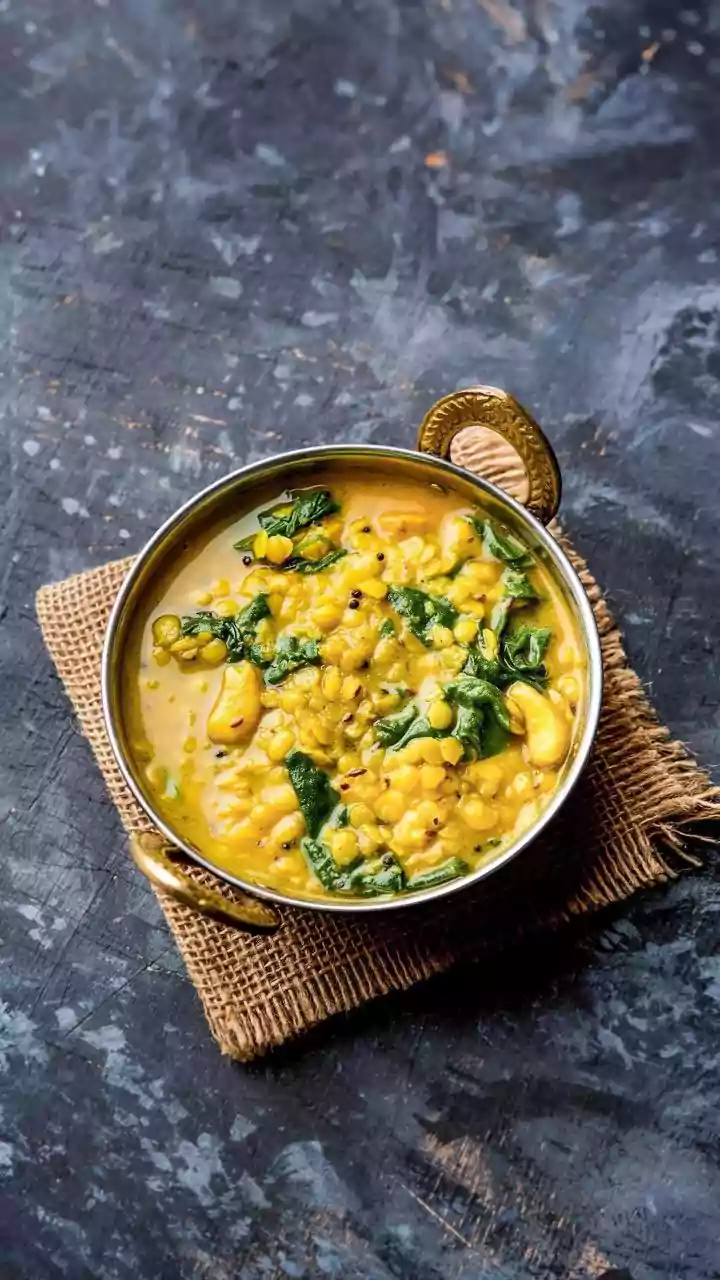
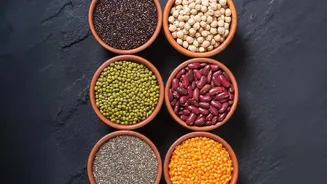
Here's where traditional wisdom shines. Most plant proteins have a 'limiting amino acid'—an essential amino acid they are low in. Grains, such as rice and wheat, are typically low in the amino acid lysine. Legumes—which include lentils (dal), chickpeas (chana), and kidney beans (rajma)—are a great source of lysine but tend to be low in another amino acid, methionine. When you pair a grain with a legume, they complement each other perfectly. The lysine from the dal fills the gap in the rice, and the methionine from the rice fills the gap in the dal. Together, they create a meal with a complete amino acid profile, providing your body with all the essential building blocks it needs.
Already on Your Plate: Classic Indian Pairings
This nutritional strategy isn't a modern invention; it's deeply embedded in Indian cuisine. Many of the country's most beloved comfort foods are, by design, complete protein meals. Dal and chawal is the most classic example. But the list goes on: rajma-chawal, chole with roti or bhature, and khichdi (made from rice and moong dal) all follow the same principle. Even South Indian staples like idli and dosa, made from a fermented batter of rice and urad dal, are delivering a complete protein profile before the sambar is even added. These pairings were developed over generations, proving that a balanced, high-quality protein diet has always been a cornerstone of Indian vegetarian cooking.
A Modern Update: Do You Need to Pair at Every Meal?
While the chemistry of pairing grains and legumes is sound, modern nutritional science has offered a flexible update. The initial theory of 'protein combining' suggested that these complementary foods had to be eaten in the same meal to be effective. However, research now shows this isn't strictly necessary. Your body maintains a temporary reservoir of amino acids, often called an 'amino acid pool'. This means that as long as you consume a variety of protein sources throughout the day—for instance, dal for lunch and roti for dinner—your body can still pull the necessary amino acids to form complete proteins. This makes achieving a complete protein profile even easier and less restrictive for those on a plant-based diet.