







Look Beyond the 'Accessible' Label
The word 'accessible' on a booking website can mean vastly different things from one hotel to another. For one property, it might signify a full roll-in shower and wide doorways, while for another, it could just mean a single grab bar by the bathtub.
This ambiguity makes it crucial to dig deeper. Families with young children in strollers have different needs than a wheelchair user, but both can be hindered by unexpected barriers. Before you book, treat the online description as a starting point, not the final word. Your first step should always be to contact the hotel directly to ask specific questions that relate to your family's unique requirements.
The Critical Role of Lift Access
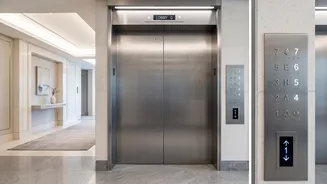
A hotel lift is often the lifeline of a family trip, yet it's frequently overlooked during booking. Start by confirming that the hotel has a lift and that it serves all floors, including restaurants, pools, and play areas. But don't stop there. Ask about the lift's dimensions. A charming, older hotel might have a lift that can barely fit one person, let alone a family with a double stroller or a wheelchair. For context, a standard hotel lift should be around 6 feet by 5 feet, with doors at least 32 inches wide to accommodate mobility devices. Also, inquire about the protocol if the lift is out of service. A hotel with a solid accessibility plan will have a clear answer, ensuring you won't be stranded on an upper floor.
Navigating the Path to Your Room
A perfectly accessible room is of little use if you can't get to it easily. The journey from the hotel entrance to your room door is filled with potential obstacles. When you call the hotel, ask about the route. Is the main entrance step-free? Are there ramps? How wide are the corridors? Hallways should be at least 36 inches wide to allow for easy passage. Consider the distance from the lift to your room; long, winding hallways can be exhausting for little legs or anyone pushing a stroller. Requesting a room close to the elevator can make a significant difference in your daily comfort and convenience.
Inside the Room: Space and Functionality
Once inside, the room's layout is paramount. For families, this means having enough space to manoeuvre a stroller, set up a travel cot, and still move around comfortably. When evaluating a room, ask about the door width, which should be a minimum of 32 inches. Check the bed height, as a very high platform bed can be difficult for both children and those with mobility challenges. If you need an accessible bathroom, be specific with your questions. Ask if it's a roll-in shower or a tub with grab bars, as they are not interchangeable. Don't hesitate to request photos or even a short video of the actual room and bathroom; reputable hotels are often happy to provide them.
Access to Amenities : Fun for Everyone
A family trip often revolves around the hotel's amenities, like the pool, restaurants, and kids' club. Ensure these are accessible to every member of your family. Ask if there is a step free or ramped route to the swimming pool and dining areas. Some pools may have a sloped, zero depth entry or a pool lift, which is a key feature for guests with limited mobility. Check if seating in the restaurant is all one level or if there are raised sections that might be hard to reach. Looking at guest photos online can often reveal potential issues, such as elevated bar areas or bridges over the pool that may not have ramp access.
Before you enter any payment details, make one final call to the hotel s front desk—not a central booking line—armed with a list of specific questions. Confirm the lift size and that it services all floors. Ask for the width of the room and bathroom doors. Verify the bathroom setup (roll -in shower vs tub). Inquire about the distance from the lift to the room you ll be assigned. Finally, after you book, email the hotel to get written confirmation of the features you discussed. This creates a record and ensures your needs are officially noted on your reservation.