

Choose Your Destination Wisely
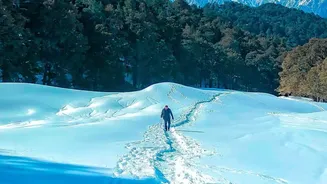
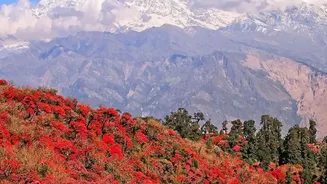
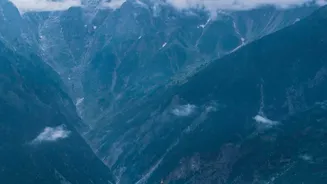
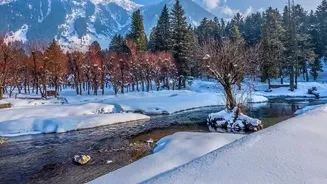
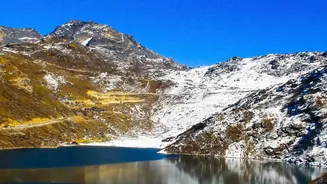
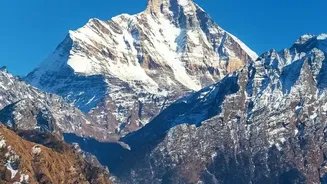
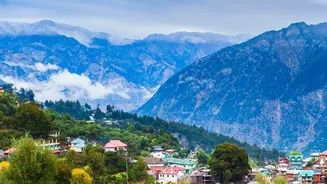
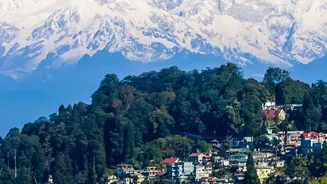
November is a transitional month in the Himalayas, as autumn gives way to winter. While many high-altitude passes and regions like Ladakh become inaccessible due to heavy snow, numerous breathtaking destinations remain open. Consider areas in Uttarakhand
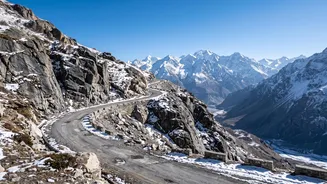
and Himachal Pradesh, which offer stunning treks and views. Destinations like Shimla, Manali, and Dharamsala can be pleasant, with daytime temperatures that are ideal for exploring. Treks such as the Kedarkantha Trek, Har Ki Dun in Uttarakhand, and the Hampta Pass in Himachal are popular choices for this month, often offering early snowfall without the harshest winter conditions. Always check local road conditions before you travel, as routes can close unexpectedly due to ice or snow, particularly later in the month.
Master the Art of Layering
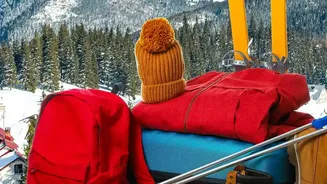
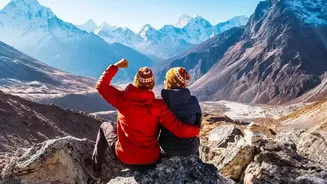
Packing correctly is the single most important step for a comfortable trip. The key is layering, which allows you to adapt to fluctuating temperatures. Start with a moisture-wicking base layer (thermals) to keep sweat away from your skin. Add a middle layer for insulation, such as a fleece or a down jacket. Your outermost layer must be a waterproof and windproof jacket to protect you from the elements. Don't forget insulated trekking pants, multiple pairs of woollen socks, a warm wool hat that covers your ears, and insulated gloves. Sunglasses are also essential, as the sun reflecting off snow can be intense.
Acclimatize to Avoid Altitude Sickness
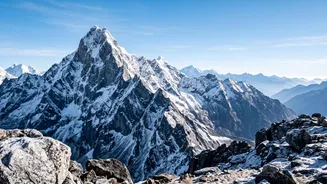
Altitude sickness, or Acute Mountain Sickness (AMS), is a serious risk when travelling to elevations above 2,500 metres (about 8,200 feet). Its symptoms include headache, nausea, dizziness, and fatigue. The best prevention is gradual acclimatization, which means giving your body time to adjust to the lower oxygen levels. Plan your itinerary to avoid ascending too quickly. A standard guideline is not to increase your sleeping altitude by more than 500 metres per day once you are above 3,000 metres. Build rest days into your schedule. If you experience mild symptoms, do not ascend further until they resolve. If symptoms worsen, the only cure is to descend to a lower altitude immediately.
Health and Hydration on the Go
The cold, dry air at high altitudes can lead to dehydration more quickly than you might expect. Make a conscious effort to drink plenty of water throughout the day. A diet rich in carbohydrates can also help your body cope with the demands of high altitude. Carry a basic first-aid kit containing essentials like bandages, antiseptic wipes, pain relievers for headaches, and any personal medications. It's also wise to include medication for stomach upsets and blister care items like moleskin. Before your trip, consult a doctor, especially if you have pre-existing health conditions. They can provide personalised advice and may recommend medication like acetazolamide to help prevent AMS.
Prioritize On-Ground Safety
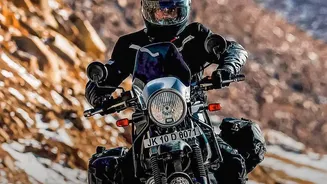
Beyond packing and health, practical on-ground safety is crucial. Always hire experienced, certified local guides or travel with a reputable agency, especially for treks. They are familiar with the terrain and weather patterns. Keep your friends or family informed of your itinerary. While mobile networks can be patchy, ensure your devices are fully charged whenever you have access to electricity, and consider carrying a power bank. Plan your travel days to allow for shorter daylight hours; winter days are shorter, and you don't want to be travelling on mountain roads after dark. Be flexible with your plans, as weather in the Himalayas can be unpredictable and may require you to change your route or schedule for safety.