






Beyond the Beige Couch
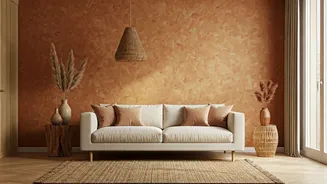
For years, the template for a modern Indian home seemed to follow a globalised script: minimalist furniture, neutral palettes, and accessories that could have come from any international big-box store. While clean and functional, this aesthetic often
lacked a distinct personality or a connection to place. Now, homeowners and interior designers are pushing back against this homogeneity. They are seeking out objects that tell a story, pieces that have been touched by human hands and carry the weight of cultural history. This movement isn't about rejecting modernity; it's about enriching it. It’s a conscious choice to move away from the disposable and towards the durable, meaningful, and sustainable. A hand-block-printed cushion or a handwoven rug is more than just decor—it's a conversation starter, a piece of art, and a nod to a lineage of craftsmanship that has survived for centuries.
Threads of History
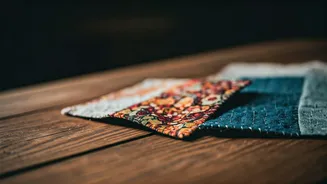
India’s textile heritage is a vast and vibrant tapestry, with each region boasting its own unique techniques. These are not just fabrics; they are narratives woven, printed, and dyed by artisan communities. Take Kalamkari from Andhra Pradesh, where intricate mythological scenes are hand-painted onto cotton using natural dyes and a bamboo 'kalam'. Or consider the geometric precision of Ikat from Odisha and Telangana, a complex resist-dyeing technique where threads are dyed *before* being woven, creating its characteristic blurred patterns. From the delicate shadow-work of Chikankari embroidery in Lucknow to the joyful tie-dye dots of Bandhani from Gujarat and Rajasthan, each craft has a unique vocabulary. For generations, these textiles were primarily used for apparel like sarees and dupattas. Today, their application is being brilliantly reimagroughed.
The Contemporary Translation
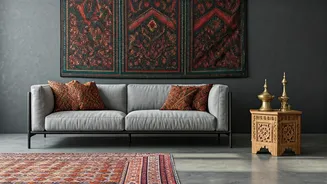
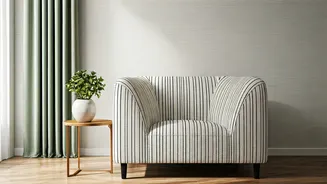
The true genius of this trend lies in its translation. Designers are not simply placing traditional textiles in modern rooms; they are reinterpreting them for a contemporary audience. This means playing with scale, colour, and form. A traditional floral block print might be blown up to a larger, more graphic scale for a statement armchair. The earthy tones of Kalamkari might be swapped for a chic monochrome palette of black and white. We're seeing Ikat patterns on sleek, modern lampshades and Chikankari embroidery not on a kurta, but on sheer linen curtains that filter light beautifully. Brands like Fabindia and Good Earth pioneered this movement, but a new generation of boutique design studios and independent designers are taking it even further. They collaborate directly with artisan clusters, ensuring fair wages and preserving skills while creating products that feel fresh, relevant, and perfectly suited to urban living. This collaboration is key—it ensures that the craft evolves without losing its soul.
Weaving Your Own Story
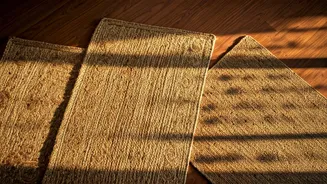
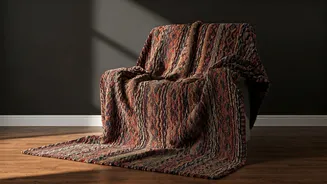
Incorporating craft-led textiles into your home doesn't require a complete overhaul. The beauty of these pieces is their ability to stand out and make a statement. You can start small. Swap out mass-produced cushions for a vibrant set of hand-block-printed ones. Drape a soft, handwoven Kantha throw over the arm of your sofa. Use a beautiful piece of Ajrakh fabric as a wall hanging or a table runner. For those willing to make a bigger commitment, a hand-knotted rug can anchor an entire room, or custom upholstery in a bold textile can transform a simple piece of furniture into a hero piece. When shopping, look for information about the craft and the artisans behind it. Choosing these textiles is not only an aesthetic decision but also an ethical one, supporting local economies and helping to keep these precious skills alive for the next generation.