




The Unvarnished Reality of This Monsoon
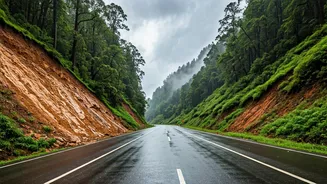
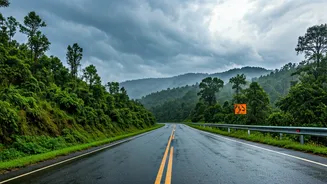
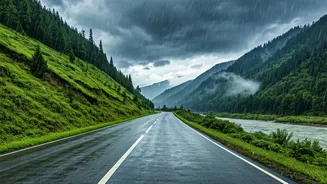
To travel to the Northeast in the monsoon is to witness nature at its most raw and powerful. The waterfalls are thunderous, the hills are a breathtaking shade of green, and clouds often descend to meet you on the road. However, the 2026 monsoon season
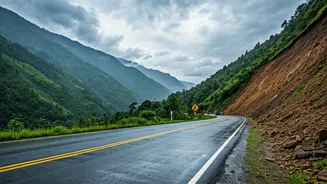
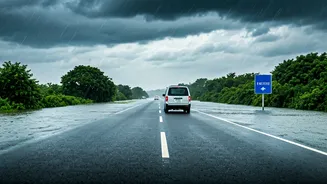
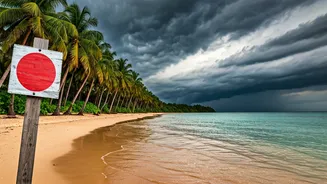
has been particularly intense. Recent weeks have seen severe flooding and landslides across the region, especially in states like Assam and Arunachal Pradesh. As of early July, heavy rains have caused rivers, including the mighty Brahmaputra, to swell above danger levels, inundating hundreds of villages and displacing thousands of residents. Key roads and bridges have been damaged or washed away, cutting off communities and requiring significant rescue operations by national and state disaster response forces. This isn't a theoretical risk; it is the current reality on the ground. The weather is unpredictable, and conditions can change from scenic to treacherous in a matter of hours.
What 'Respect' Means in This Context
The headline’s call for “respect” goes beyond appreciating the landscape. It’s a call for a fundamental shift in the traveller’s mindset. Firstly, it means respecting the sheer power of nature. A road that was there yesterday might not be there today. Heeding official warnings from the India Meteorological Department (IMD) is not optional; it's essential. Secondly, it means respecting the local communities. When floods and landslides occur, local resources and emergency services are stretched thin caring for residents. A tourist taking unnecessary risks who then requires rescue puts an additional, avoidable strain on these critical systems. Respect, in this case, is being self-reliant, cautious, and patient. It’s understanding that your holiday plans are secondary to the safety and well-being of the people who call the region home. It is accepting delays and cancellations with grace, not frustration.
Your Pre-Travel Briefing
A successful and safe monsoon trip is 90% planning. Do not travel on a whim. Your first step should be to monitor the IMD's website for daily weather bulletins and warnings for the specific districts you plan to visit. Next, build extreme flexibility into your itinerary. A week-long trip with three destinations is a recipe for disaster. Instead, pick one or two base locations and plan for delays. Do not book non-refundable hotels or flights. Assume your travel time between any two points will be double the Google Maps estimate. Finally, ensure you have comprehensive travel insurance that covers trip cancellations and medical emergencies in remote areas. Inform your family of your detailed itinerary and establish regular check-in times.
The Monsoon-Ready Packing List
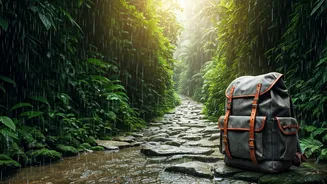
Packing for the Northeast monsoon is about staying dry and healthy. Leave the fashion-wear at home and focus on function. Your bag should include multiple sets of light, quick-drying clothes, as cotton and denim will never dry in the humidity. A sturdy, reliable raincoat and waterproof trousers are non-negotiable. Invest in footwear with excellent grip suitable for wet and muddy conditions. Waterproof your belongings by packing electronics in dry bags and double-bagging your clothes within your backpack. A high-capacity power bank is crucial, as power cuts can be frequent. Your first-aid kit should be comprehensive: include basics for cuts and scrapes, but also insect repellent, anti-diarrhoea medication, and rehydration salts.
Navigating Safely on the Ground
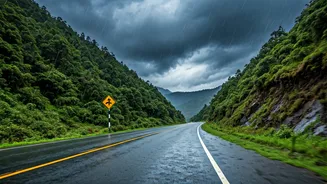
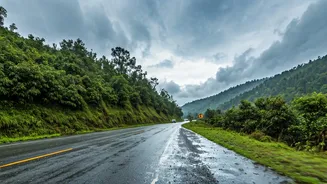
Once you are in the Northeast, your most important assets are caution and local knowledge. Never attempt to drive at night on hill roads. The combination of rain, fog, and potential landslides makes it extremely dangerous. If you are hiring a vehicle, trust the driver's judgement. If they say a road is not safe, believe them. They know the terrain better than anyone. Be extremely cautious with food and water. Stick to bottled water and eat at clean, busy establishments to reduce the risk of water-borne diseases. During your travels, you will likely encounter roadblocks or delays. This is a normal part of monsoon travel. Use this downtime to read, interact with fellow travellers, and appreciate the moment. A rushed attitude has no place here.