



It Starts With Smarter Ingredients
The foundation of any great snack is its ingredients. Traditional recipes often call for refined flour (maida) and starchy potatoes, which can lead to energy crashes. Making a few simple swaps can dramatically boost the nutritional profile of your favourite
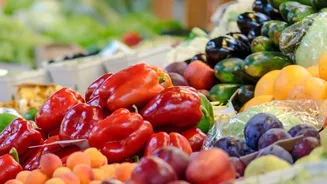
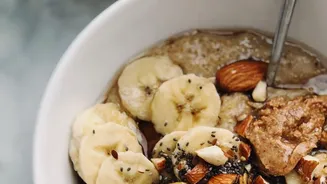
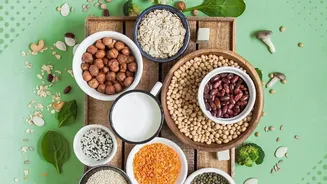
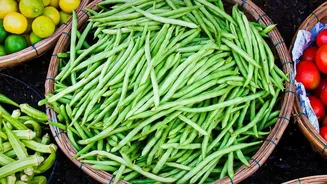
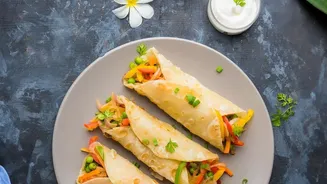
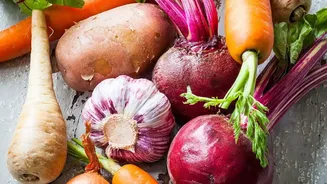
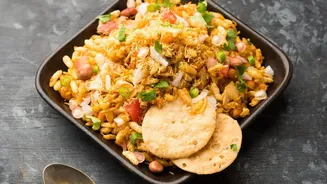
bites. Instead of maida, try using whole wheat flour (atta), millet flour (like ragi or bajra), or chickpea flour (besan). These alternatives are rich in fibre, which aids digestion and keeps you feeling full for longer. For fillings, don't just stick to potatoes. Bulk up your samosas or tikkis with a colourful mix of finely chopped carrots, beans, peas, spinach, or paneer. Adding lentils or sprouts to batters and fillings is another excellent way to increase protein content, making your snack more satisfying and nutritionally balanced. Even simple snacks like bhel puri can be improved by loading up on vegetables like onions and cucumbers and using sprouts instead of only puffed rice.
Embrace Healthier Cooking Techniques
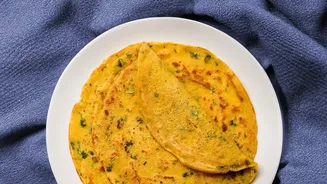
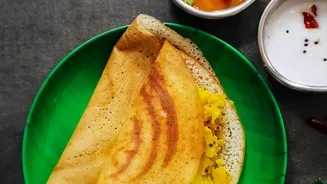
The biggest culprit that turns a simple snack into a calorie bomb is often the cooking method: deep-frying. This process can increase the fat content of food significantly. Thankfully, modern kitchens offer fantastic alternatives that deliver crunch without the excess oil. Air-frying is a game-changer, reducing oil absorption by up to 80% while still achieving a crispy texture. An air-fried samosa, for instance, has considerably fewer calories than its deep-fried counterpart. Baking is another excellent option. Baked samosas can contain 40-50% fewer calories than fried ones. You can bake mathris, tikkis, and even versions of pakoras. Other methods to explore include steaming, as used for dhokla and idli, which are naturally low in fat. Pan-frying with minimal oil on a non-stick pan is perfect for making besan chillas or vegetable tikkis. These techniques allow the flavours of the spices and ingredients to shine through without being masked by oil.
Master Mindful Portion Sizes
Even the healthiest snack can contribute to weight gain if eaten in large quantities. Portion control is not about deprivation; it's about awareness. Instead of eating directly from the serving dish, portion out your snack into a small bowl or plate. This simple act makes you more conscious of how much you're consuming. A helpful guideline for a snack is to keep it between 150-200 calories, enough to curb hunger without spoiling your dinner. Visual cues can be useful: a serving of roasted chana or makhana should be about one small 'katori' or a cupped handful. If you're having idlis, one or two are sufficient for a snack. When enjoying richer items, balance is key. If you decide to have a fried samosa, perhaps have just one and pair it with a healthy sprout salad instead of having two or three. Mindful eating—savouring each bite and paying attention to your body's hunger and fullness signals—can make a small portion feel deeply satisfying.
The Samosa Makeover: A Practical Example
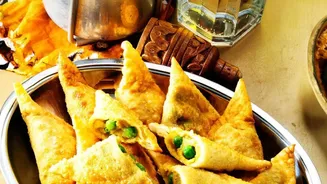
Let's apply these principles to India's most iconic snack: the samosa. A single, medium-sized fried samosa can contain between 250 to 300 calories. To give it a makeover, start with the pastry. Swap the traditional maida dough for a whole wheat (atta) version to add fibre. For the filling, reduce the amount of potato and mix in protein-rich peas, grated paneer, or even minced soya. Finally, instead of plunging it into a kadai of hot oil, bake it in an oven or cook it in an air fryer. A baked samosa has roughly half the calories of a fried one, clocking in at around 150 calories. You get the same satisfying, spiced potato flavour and a crunchy exterior, but with a fraction of the fat and calories. This approach proves that you can still enjoy the essence of your favourite snack while making a much healthier choice.