


The Invisible World on Your Countertop
Even a countertop that looks spotless can be a hotspot for germs. Studies have shown that kitchen surfaces, including countertops, can harbour a surprising array of bacteria like E. coli, Salmonella, and Listeria. These microorganisms are invisible to the
naked eye but can be transferred from various sources, including raw meat juices, unwashed vegetables, and even our own hands. Research has found that some kitchen counters can test positive for significant levels of bacteria, making them a risky resting place for any utensil that will later touch your food. While you might diligently wipe your counters, re-contamination can happen quickly throughout the day from normal kitchen activities.
Understanding Cross-Contamination
The primary danger is cross-contamination. This occurs when harmful germs are transferred from one surface to another. When you place a food scoop on the counter, any bacteria present on that surface can hitch a ride onto the scoop. The next time you dip that scoop into a pot of dal, rice, or curry, you are directly introducing those germs into the food you and your family are about to eat. This is especially dangerous for ready-to-eat foods that won't undergo further cooking to kill off the bacteria. It's a simple mistake that can turn a perfectly safe meal into a source of foodborne illness. Under the right conditions, bacteria can double in number in as little as 20 minutes at room temperature, making a small contamination a big problem very quickly.
Beyond the Scoop: High-Touch Hotspots
The risk isn't limited to just the countertop. Think about the other surfaces you touch while cooking: refrigerator handles, cabinet pulls, and faucet handles. These are all high-touch areas that can accumulate and spread germs. For example, you might handle a package of raw chicken, open the refrigerator to get vegetables, and then grab a serving spoon without washing your hands in between. Each step in that sequence can spread bacteria. Assuming these surfaces are contaminated is a good food safety practice. By being mindful of these hotspots, you can become more aware of how easily germs can travel around your kitchen and onto your utensils.
Simple and Safe Alternatives
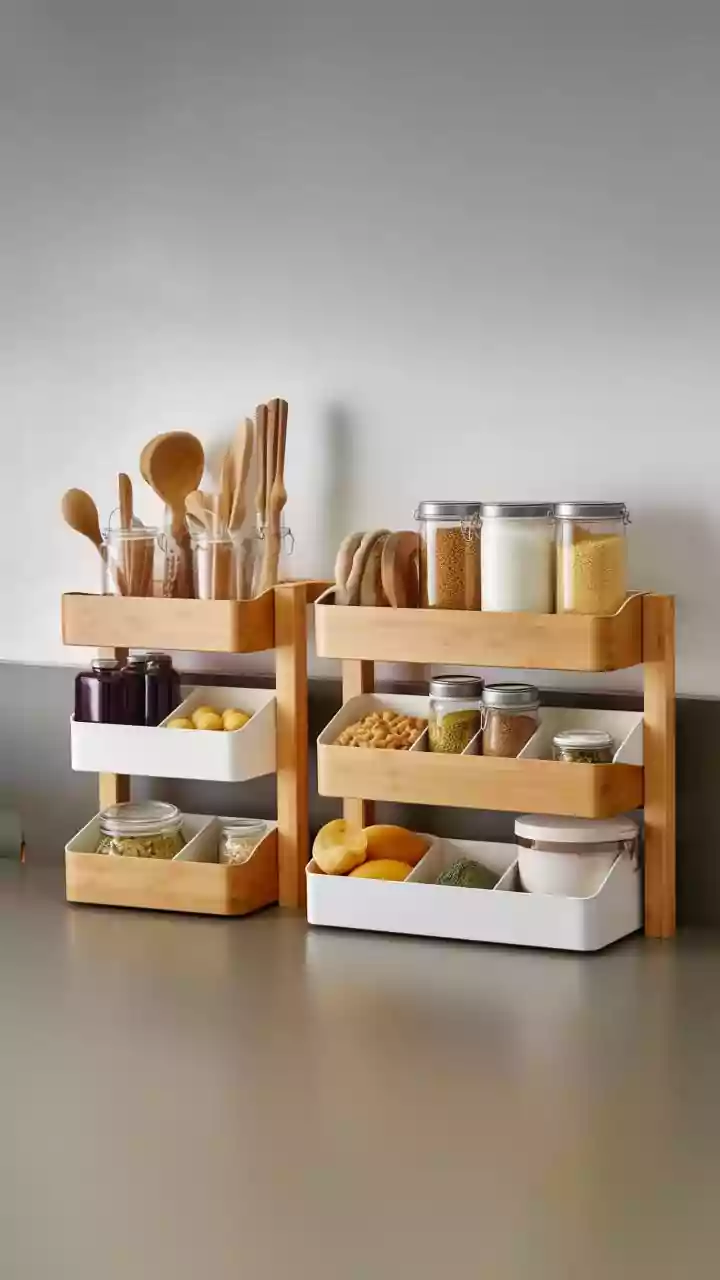
Preventing this form of cross-contamination is easy and just requires a small change in habits. Instead of placing your scoop or spoon directly on the counter, use a dedicated spoon rest. A clean plate, a small bowl, or even a piece of fresh paper towel can also serve as a safe, temporary spot for your utensil. The key is to create a clean barrier between the utensil and the potentially contaminated countertop. Another effective method is to use designated utensils for different food items and to never mix what you use for raw ingredients with what you use for cooked food. For scoops that stay with a dish on a buffet, ensure the handle extends out of the food so it can be grabbed without touching the contents.
Proper Cleaning is Key
Of course, a clean kitchen is your first line of defence. Regularly clean and sanitize your countertops, especially after preparing food. Use hot, soapy water to wash surfaces, followed by a sanitizing solution. A simple and effective sanitizer can be made by mixing one tablespoon of unscented liquid chlorine bleach per gallon of water. Let the solution sit on the surface for several minutes before rinsing or air-drying. Don't forget to wash your hands thoroughly with soap and warm water for at least 20 seconds before and after handling food. These fundamental cleaning practices drastically reduce the overall bacterial load in your kitchen, making it a safer environment for food preparation.