




Why a Second Home is Critical
The success of conservation in Gir has led to a population boom, with the number of lions growing from 674 in 2020 to a reported 891 in 2025. While this is a triumph, it also creates a precarious situation. Concentrating an entire species in one location
makes it dangerously vulnerable to threats like disease outbreaks or natural disasters. An epidemic like the canine distemper virus, which killed dozens of lions in 2018, could be catastrophic if it spread through a single, overcrowded population. Establishing a geographically separate population is a crucial insurance policy, a concept that has been part of India's conservation strategy for years under 'Project Lion', which aims to manage the species across a wider landscape.
Enter Barda: A Home After 144 Years
Located about 100 kilometres from Gir, the Barda Wildlife Sanctuary is officially being developed as the lions' second home. After an absence of nearly a century and a half, lions are returning. The process began naturally when a male lion dispersed from Gir into Barda in early 2023, and was later augmented by the Gujarat Forest Department, which introduced several females. As of late 2026, a small but significant population of 17 lions has been established in the sanctuary. This move is part of the government's long-term plan, with the 'Gir-Barda Project' dating back to 1979, aimed at preparing this very landscape for the lions' return.
Grasslands: The Perfect Hunting Grounds
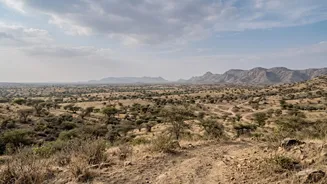
The habitat in Barda is not identical to Gir, and this variation is a key strength. A recent study tracking radio-collared lions found they actively use Barda's mosaic of grasslands and forests. The grasslands play a vital role in supporting a healthy prey base. Lions are stalk-and-ambush predators, and open grasslands provide the ideal terrain for hunting species like nilgai (blue bull) and wild pig. To ensure the lions have enough to eat, the forest department has been actively improving the prey base. Since 2007, hundreds of spotted deer (chital) and sambar have been translocated to Barda, strengthening the food chain and making the habitat more self-sustaining.
Forests: A Sanctuary for Shelter and Solitude
While grasslands offer a buffet, the forests and hilly, rugged terrain of Barda provide essential shelter and security. The mixed deciduous and thorn forests offer cover from the elements, safe corridors for movement, and secluded spots for raising cubs. This varied topography allows the lions to establish distinct home ranges and core areas, a key finding from the radio-collar study. The hilly landscape, with its rivers and dams, also ensures better water availability, which is crucial for both the lions and their prey. This combination of open areas for hunting and dense forests for refuge makes Barda an ecologically robust environment, capable of supporting a resilient lion population for the long term.
Paving the Way for Coexistence
The successful establishment of lions in Barda also involves careful management of the human element. The sanctuary is home to pastoral communities known as Maldharis. To reduce human-wildlife conflict and free up more space for wildlife, the Gujarat government has initiated a voluntary relocation scheme, offering financial packages to families willing to move outside the sanctuary's core area. This approach, combined with efforts to boost the wild prey base to prevent lions from targeting livestock, is fundamental to ensuring long-term harmony. By actively managing the habitat and mitigating conflict, conservationists are not just moving lions; they are building a sustainable and secure future for them.