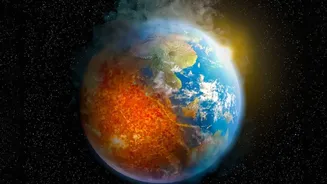






A stark new report released during the UN climate summit in Antalya, Türkiye, confirms a sobering reality: global climate action has stalled, making it virtually certain the world will exceed its 1.5°C warming target. What does this mean?
A Bleak Diagnosis for the Planet
According to
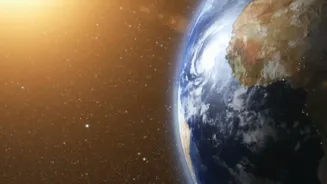
the latest UN assessments, including the influential Emissions Gap Report, aggregated global efforts to combat climate change have effectively flatlined for five consecutive years. While some positive steps, like the rapid growth in renewable energy, have occurred, they have been cancelled out by setbacks and a failure to implement promises. This stagnation means that even if all countries fulfilled their current climate pledges, the world is on track for around 2.6°C of warming by the end of the century. The reports, released as global leaders gather for the COP31 climate conference, paint a grim picture, confirming that the window to limit warming to 1.5°C above pre-industrial levels without any overshoot has now closed.
Why 1.5 Degrees Is the Critical Red Line
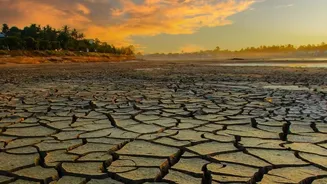
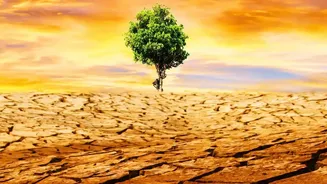
The 1.5°C target, enshrined in the 2015 Paris Agreement, is not an arbitrary number. Scientists have repeatedly warned that warming beyond this threshold will sharply intensify climate impacts and increase the risk of triggering irreversible tipping points, such as the collapse of major ice sheets or runaway warming from melting permafrost. UN Secretary-General António Guterres stated that every fraction of a degree matters, noting that the goal now must be to ensure any overshoot of the 1.5°C limit is as minimal and temporary as possible. Leaders from climate-vulnerable nations, particularly small island states, have echoed this urgency, framing the 1.5°C limit as a 'moral one' essential for their survival.
Where Action Has Stalled
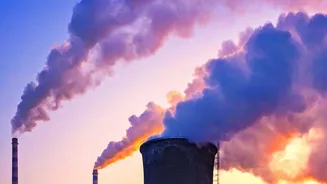
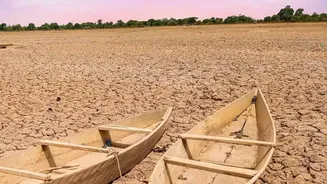
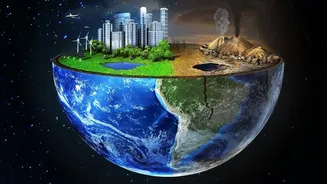
The primary driver of the climate crisis is the emission of greenhouse gases from burning fossil fuels like oil, gas, and coal. Despite agreements to transition away from them, progress has been painfully slow. The UN report highlights that while clean energy is growing, it hasn't been enough to offset continued fossil fuel combustion. Global greenhouse gas emissions remained stubbornly high at around 58.4 gigatonnes in 2025. Furthermore, financial commitments are falling drastically short. Pledges to the UN's loss and damage fund, meant to help vulnerable countries cope with climate disasters, total around 600 million dollars—an amount, Guterres noted, that major fossil fuel companies earn in about 14 hours.
Türkiye’s Role at the Center of Climate Diplomacy
The headline's mention of Türkiye is significant, as the nation is co-hosting the COP31 climate summit in Antalya. This places Türkiye in a crucial position to shape international climate diplomacy. The Turkish Presidency has deliberately branded COP31 as a 'COP of Implementation', focusing on concrete investments, infrastructure, and financing rather than negotiating new targets. However, this leadership role comes with scrutiny. While Türkiye has made commendable progress in expanding its wind and solar capacity, it has also increased investments in fossil fuel exploration and became Europe's largest producer of coal-fired electricity in 2024. This highlights the central conflict facing many nations: balancing stated climate goals with economic and energy security policies still tied to fossil fuels.
What Happens Now?
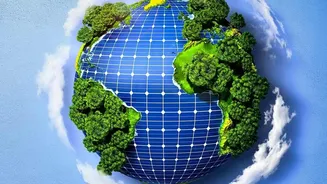
The report's message is that the fight is not over, but the battlefield has changed. The focus must now shift to damage control: limiting how high temperatures go and for how long. To have a chance of returning to 1.5°C by the end of the century, the UN report states that global emissions must be slashed by 45% by 2035 compared to 2025 levels. This requires an unprecedented acceleration of action, including tripling renewable energy capacity, a 75% cut in coal_fired electricity, and a significant reduction in methane emissions by 2035. As leaders meet in Antalya, the pressure is immense to move beyond rhetoric and translate lagging pledges into immediate, drastic action. The consensus is clear: the cost of inaction, measured in lives, ecosystems, and economic stability, is far greater than the cost of a rapid and just transition.