







Start at the Top: The Roof
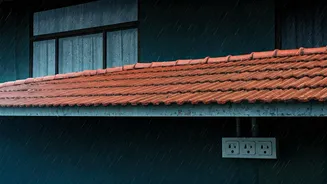
Your roof is the first line of defence against the rain, so it’s the most critical area to inspect. Before the downpours begin, get on your terrace and look for any visible cracks, broken tiles, or gaps in the waterproofing. Debris like fallen leaves,
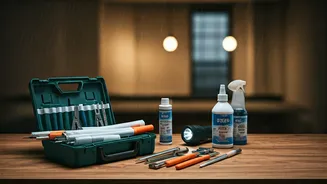
branches, and dirt can accumulate over the dry season, blocking the natural flow of water. Clear everything away, paying special attention to drainage outlets. If you spot any minor cracks, you can fill them with a suitable waterproof sealant. For more significant damage, it's wise to call a professional. A small leak can quickly escalate into major water damage, affecting your ceilings, walls, and electrical wiring.
Clear All Drains and Gutters
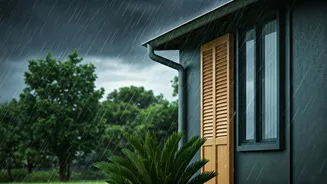
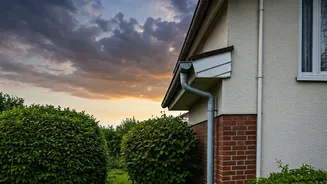
This is a simple task that is often overlooked but has a huge impact. Choked drains and gutters are the primary cause of waterlogging on terraces, balconies, and around the foundation of your house. When water can't escape, it pools and finds the path of least resistance—often through small cracks into your home. Take the time to manually clear out all drainage pipes of sludge, plastic bags, leaves, and any other blockages. Pour a bucket of water down them to ensure the flow is smooth. This single step can prevent overflowing balconies, terrace flooding, and protect your home’s structural integrity from constant water exposure.
Seal Windows, Doors, and Balconies
Gaps in your windows and doors don’t just let in chilly drafts; they are open invitations for rainwater. Inspect the frames of all windows and balcony doors. Check if the rubber linings or gaskets are intact. Over time, they can crack or become loose. Also, look for gaps between the wall and the frame. Use a good quality silicone sealant to fill any cracks you find. This not only keeps water out but also helps prevent dampness and the growth of mould. For wooden doors and windows that swell during the monsoon and become difficult to shut, consider planing the edges slightly for a better fit.
Inspect Exterior and Interior Walls
Walk around your house and examine the exterior walls for cracks or patches where paint is peeling. These are signs that moisture is already seeping in. A fresh coat of waterproof paint on the exterior can work wonders, creating a protective barrier against heavy rain. Inside, look for signs of dampness, like discoloured patches or a musty smell, particularly on walls that are shared with bathrooms or exposed to the outside. These indicate a persistent leak that needs to be addressed at its source. Ignoring damp walls can lead to mould, which is not only unsightly but also a health hazard.
Check Your Electrical Safety
Water and electricity are a deadly combination. Before the monsoon, it’s crucial to have a qualified electrician check your home’s wiring. Look for any exposed wires, cracked switchboards, or loose connections and get them fixed immediately. Ensure your home has a functioning Earth Leakage Circuit Breaker (ELCB) or a Residual Current Circuit Breaker (RCCB), which can cut off the power automatically in case of a leakage, preventing electric shocks. If you have outdoor electrical units like an air conditioner compressor, make sure they are properly covered and the wiring is insulated from rain.
Protect Wooden Furniture and Wardrobes
The high humidity of the monsoon season can wreak havoc on wooden furniture, causing it to swell, warp, or develop mould. Move your valuable wooden pieces away from walls that are prone to dampness. To combat the moisture in enclosed spaces like wardrobes and cabinets, place moisture absorbers like silica gel pouches or camphor balls. A traditional Indian method is to place dried neem leaves, which act as a natural disinfectant and pest repellent. Airing out your cupboards on a dry, sunny day can also help prevent that musty monsoon smell from setting into your clothes.