







More Than Just a Routine Stop
Roadside checkpoints are a fundamental tool for law enforcement in India. They serve multiple purposes beyond verifying licences and registration. These stops are critical for curbing drunk driving, intercepting illegal activities, and maintaining public
order. However, their effectiveness is often hampered by challenging working conditions for the police officers who man them for long hours. Officers face issues ranging from inadequate staffing and resources to direct risks from fast-moving traffic, making a well-organised checkpoint a non-negotiable for both public and police safety. Studies have shown that police personnel often work under immense stress with insufficient infrastructure, which directly impacts their performance and morale.
The Critical Role of Proper Lighting
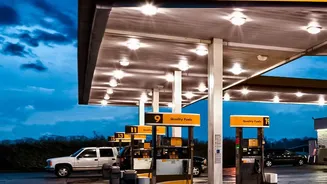
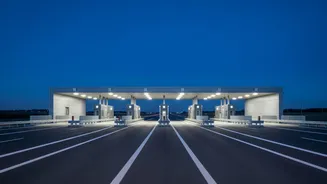
Effective lighting is arguably the single most important factor in a nighttime checkpoint's success and safety. Good illumination does more than just make the police presence known. High-intensity lighting makes the checkpoint visible from a greater distance, giving drivers ample time to slow down and reducing the risk of accidents. For officers, bright and well-placed lights are a crucial safety tool. They improve visibility, preventing secondary accidents at the scene and allowing personnel to clearly see inside vehicles and accurately assess situations. Research shows that low-level white illumination, in addition to flashing emergency lights, significantly improves the ability to detect potential threats, ensuring officers are not left vulnerable in the dark. A well-lit area projects authority and organisation, acting as a powerful deterrent and signalling a serious, professional operation.
Dignity and Focus: The Need for Washrooms
The provision of basic amenities like washrooms is often overlooked but has a profound impact on the efficiency of police personnel. Officers, including a growing number of women in the force, are often deployed for shifts that last hours on end. The lack of accessible toilets forces many to endure significant discomfort. Women officers, in particular, face immense challenges, often resorting to avoiding water, which can lead to health issues like dehydration and urinary infections. This basic human need, when unmet, becomes a major distraction and source of stress, affecting an officer's concentration and ability to remain alert and engaged with their duties. The absence of such facilities is not just an inconvenience; it's a serious lapse in operational planning that undermines the well-being and focus of the force.
Improving Officer Welfare and Public Perception
Investing in better infrastructure at checkpoints is an investment in better policing. When officers are provided with essentials like proper lighting, shelter from the elements, and clean washrooms, their morale and professionalism are boosted. This focus on welfare allows them to perform their duties with greater diligence and focus. For the public, a well-organised checkpoint appears more legitimate and less arbitrary. It fosters a sense of security rather than harassment. Poorly managed stops can erode public trust, a relationship that is already fragile in many areas. By ensuring that checkpoints are run professionally with adequate facilities, police departments can improve the interaction between citizens and law enforcement, building cooperation instead of resentment.
A Foundation for Modern Policing
As policing in India continues to modernise with technologies like the Crime and Criminal Tracking Network System (CCTNS) and advanced surveillance, it's vital not to forget the foundational elements of effective fieldwork. Recent directives from the Supreme Court have pushed for mandatory GPS trackers and panic buttons in public transport, underscoring a national focus on leveraging technology for safety. However, these high-tech solutions must be supported by sound, on-the-ground infrastructure. Providing basics like lighting and washrooms is a low-cost, high-impact decision. It demonstrates a commitment to the well-being of police personnel and creates an environment where both officers and the public can feel secure, ultimately making every roadside check more effective and organised.