

From ‘Superfoods’ to ‘Grandma’s Kitchen’
For years, the wellness industry was dominated by exotic imports. Quinoa from the Andes, avocados from Mexico, and kale from distant shores were hailed as the ultimate superfoods. But a significant shift is underway. Many Indians are now turning their
gaze inward, rediscovering the nutritional powerhouses that have been staples in our own kitchens for centuries. This movement isn’t just about nostalgia; it’s a conscious choice driven by a desire for authenticity, sustainability, and foods that are better suited to our bodies and climate. As people grow wary of highly processed products and complex supply chains, the simple, time-tested wisdom of traditional Indian diets is proving more appealing than ever. The focus is shifting from chasing global fads to embracing local heritage.
The Mighty Comeback of Millets
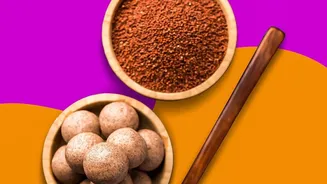
Perhaps no food better represents this trend than millets. Once considered a “poor man’s food,” grains like jowar, bajra, and ragi are now celebrated as nutritional champions. These ancient grains are making a strong comeback, appearing on cafe menus and in health-conscious households across the country. Rich in protein, high in fibre, and naturally gluten-free, millets offer a host of health benefits. They have a low glycemic index, which is beneficial for managing blood sugar levels, and are packed with essential minerals like iron, magnesium, and calcium. This resurgence aligns perfectly with modern wellness goals, from improving digestion and managing weight to reducing the risk of chronic diseases.
Ghee: The Golden Fat Reclaimed
For decades, ghee was unfairly villainized, pushed aside in favour of refined vegetable oils. Today, it has been reclaimed as a cornerstone of healthy eating. Known in Ayurveda as “liquid gold,” ghee is now praised by modern nutritionists for its health benefits. It is rich in healthy saturated fats and fat-soluble vitamins like A, D, E, and K. Ghee also contains butyric acid, a short-chain fatty acid that nourishes gut cells and has anti-inflammatory properties. Its high smoke point makes it a stable and safe choice for Indian cooking methods. The return of ghee signifies a broader rejection of industrial fats and a renewed appreciation for fats that have nourished generations.
Gut Health and the Magic of Fermentation
The modern wellness world is obsessed with gut health, and for good reason. A healthy gut microbiome is linked to better digestion, stronger immunity, and even improved mental health. Long before probiotics became a buzzword, Indian households were mastering the art of fermentation. Everyday foods like dahi (curd), idli, dosa, and dhokla are powerful natural probiotics. The fermentation process not only preserves food but also enhances its nutritional value, making vitamins more available and proteins more digestible. Regular consumption of these traditional fermented foods can increase beneficial gut bacteria, supporting overall wellness from the inside out.
It's a Lifestyle, Not Just a Diet
The revival of traditional foods is about more than just specific ingredients; it’s about embracing a holistic philosophy of eating. Principles from Ayurveda, India’s ancient system of medicine, are finding new resonance. This includes practices like eating seasonally to align with nature’s rhythms, favouring warm, cooked meals that are easier to digest, and paying attention to food combinations to avoid digestive distress. This approach encourages a mindful relationship with food, where eating is not just for fuel but for balance and harmony. By looking back at these timeless principles, the wellness movement is finding a more intuitive and sustainable path to health that honors cultural wisdom.