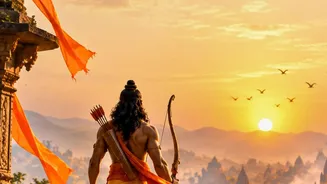



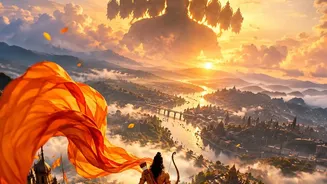
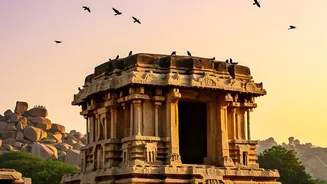
The epic tale of the Ramayana comes alive through new travel circuits that allow you to trace the footsteps of its legendary figures. Among the most powerful stories is that of Jatayu, and now you can visit the very spots where his loyalty unfolded.
An Epic Journey Reimagined for Travellers
For
centuries, the Ramayana has been a cornerstone of India's spiritual and cultural identity. Now, this ancient epic is charting a new course on the country's tourism map. As part of initiatives like the Swadesh Darshan Scheme, the government is developing the Ramayana Circuit, a network of pilgrimage sites that allows travellers to journey through the epic's most significant locations. This circuit connects key places from Ayodhya in the north to Rameswaram in the south, creating a tangible path through the sacred narrative. These routes are not just for pilgrims; they are for anyone seeking to connect with India's deep-rooted heritage, offering a unique blend of history, spirituality, and adventure. By linking these destinations, the circuit provides a seamless way to experience the stories that have shaped a nation.
In Search of Jatayu, the Noble Vulture
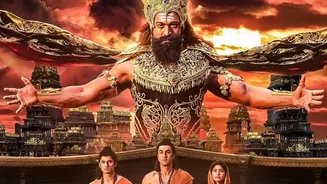
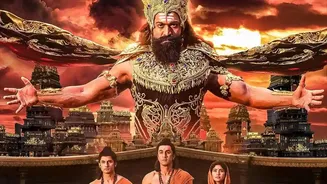
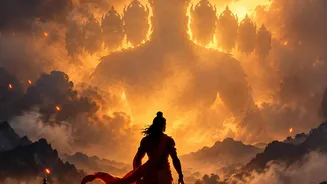
A pivotal and heart-wrenching episode in the Ramayana is the valiant effort of Jatayu, the noble demigod in vulture form, to rescue Sita from the clutches of Ravana. As Ravana abducts Sita and flies towards Lanka, Jatayu intercepts him, engaging in a fierce battle to protect her. Though he fights with immense courage, the aged bird is ultimately defeated when Ravana clips his wings. Mortally wounded, Jatayu falls to the earth. He lives just long enough to inform Rama and Lakshmana of Sita's abduction and the direction of Ravana's flight, playing a crucial role in their quest. This act of selfless bravery makes Jatayu a powerful symbol of loyalty and sacrifice, and the places associated with his fall are among the most evocative sites on the Ramayana trail.
Kerala’s Monumental Tribute: Jatayu Earth's Center
In the Kollam district of Kerala, at Chadayamangalam, a breathtaking monument brings the story of Jatayu to life on a colossal scale. According to local tradition, this is the rocky hilltop where the wounded Jatayu fell. Today, it is home to Jatayu Earth's Center, a 65-acre park that merges mythology with eco-tourism and adventure. The park's centerpiece is the world's largest bird sculpture—a massive, 200-foot-long figure of Jatayu lying on his back, a testament to his heroic fall. Designed by filmmaker and sculptor Rajiv Anchal, the functional sculpture houses a museum and a multi-dimensional theatre that retells the epic battle. Visitors can reach the summit via a scenic cable car, and the site also offers adventure activities, making it a modern pilgrimage destination that honours an ancient hero.
Andhra Pradesh’s Claim: The Legend of Lepakshi
Another state lays a strong claim to Jatayu's story. The historic village of Lepakshi in Andhra Pradesh is also widely believed to be the site where the great bird fell. Local lore holds that when Rama found the dying Jatayu, he uttered the words 'Le Pakshi' (meaning 'Rise, Bird' in Telugu), giving the village its name. The area is marked not by a modern sculpture but by the ancient Veerabhadra Temple, a marvel of Vijayanagara architecture. This sacred site, with its famous hanging pillar and giant monolithic Nandi statue, is deeply intertwined with the Ramayana. Pilgrims and history enthusiasts flock to Lepakshi to feel the divine presence and see the place where Rama is said to have granted moksha to his loyal devotee.
Connecting the Dots on a Spiritual Map
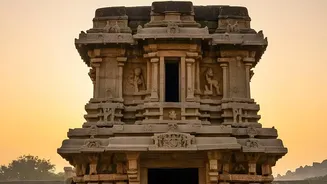
The beauty of the Ramayana-inspired travel routes is how they connect disparate locations into a single, cohesive narrative. While Kerala and Andhra Pradesh both hold powerful traditions related to Jatayu, the broader Ramayana Circuit links them to other key sites. The journey can begin in Ayodhya, Rama's birthplace, travel through Panchavati near Nashik where Sita was abducted, and move south to Kishkindha (modern-day Hampi) where Rama met Hanuman. The trail eventually leads to Rameswaram, the point from which the army crossed to Lanka. For the traveller, this creates an opportunity to not just visit one holy site, but to follow the epic's chronology across the diverse landscapes of India, seeing how one story is told and treasured in many different ways.