
From Side Dish to Star Condiment
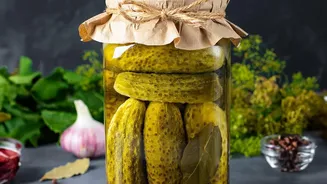
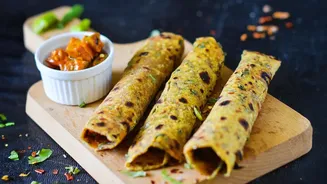
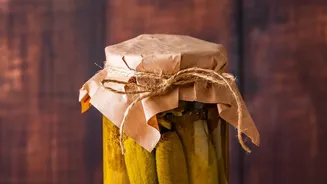
For generations, a spoonful of spicy, tangy achaar has been an essential, if humble, companion to Indian meals. It’s the flavourful kick that can liven up simple dal and rice or cut through the richness of a paratha. Pickling in India is an ancient tradition,
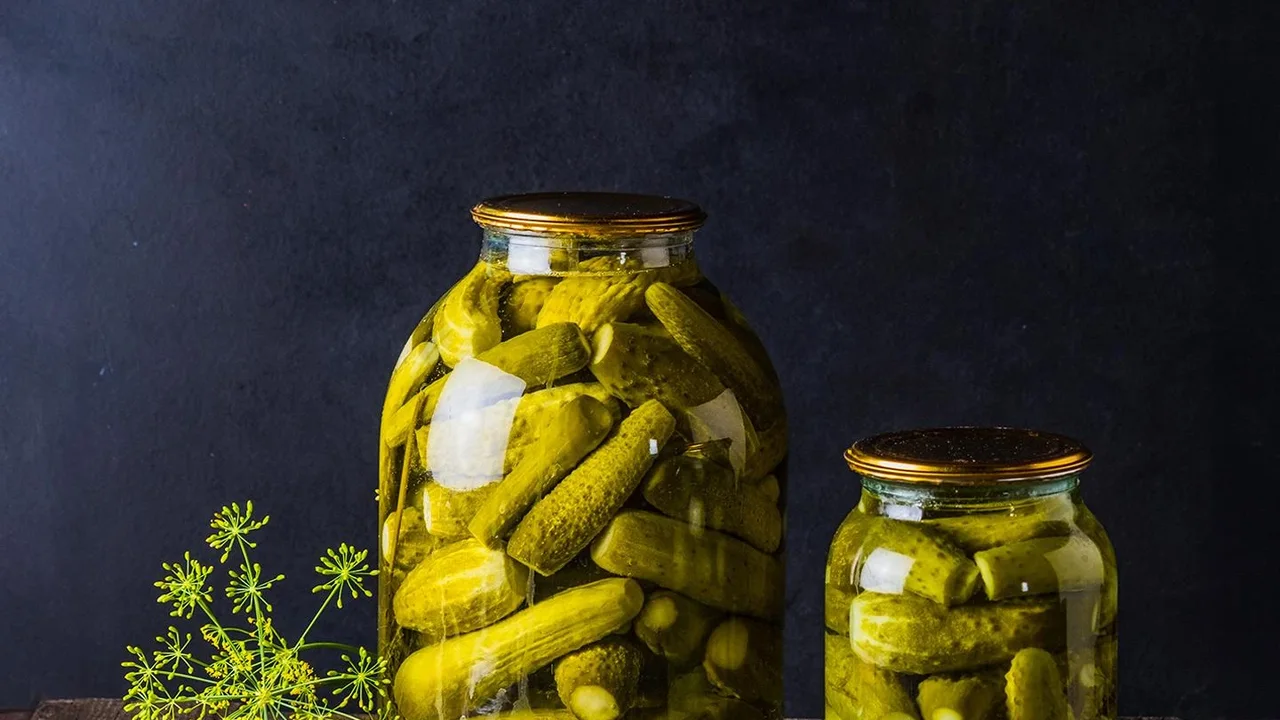
a method of preservation born from the necessity to make seasonal produce last through the year. But today, the perception of pickles is changing. They are moving beyond being just a flavour enhancer to becoming a celebrated, artisanal product in their own right, with a story to tell in every jar.
The Rise of Artisanal Achaar
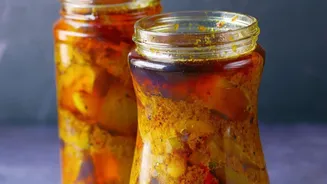
A wave of new-age, small-batch producers is redefining the pickle market, long dominated by mass-produced brands. These artisanal makers are often home chefs and food entrepreneurs who prioritize quality over quantity. They focus on traditional, often generational, recipes, using high-quality, natural, and sometimes organic ingredients like cold-pressed oils and specific regional spices. Brands like The Little Farm Co., Goosebumps, and Old Fashioned Gourmet emphasize their handcrafted processes, often highlighting that their products are free from artificial preservatives and colours. This resonates with a growing consumer base that is increasingly conscious of food origins and looking for authentic, clean flavours.
Rediscovering India's Pickle Diversity
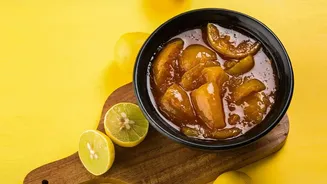
This premium trend is shining a much-needed spotlight on India's staggering regional pickle diversity. While mango and lime pickles are ubiquitous, each region has its own unique specialities shaped by local climate and produce. In the Northeast, you might find fiery bhoot jolokia (ghost pepper) or fermented bamboo shoot pickles. The South boasts the intense Avakaya from Andhra Pradesh, a raw mango pickle made with mustard powder and sesame oil, and the tangy Gongura pickle made from sorrel leaves. From Gujarat comes the sweet and sour grated mango Chunda, while Rajasthan offers pickles made from desert berries like ker and sangri. These premium brands are making such hyper-local flavours accessible to a wider audience for the first time.
What's Fuelling the Pickle Boom?
Several factors are driving this revival. A post-pandemic surge in home cooking has left consumers eager for new and exciting flavours to elevate their meals. There's also a powerful sense of nostalgia and a desire to reconnect with culinary roots. For many, these pickles evoke memories of grandmothers' kitchens. Furthermore, the conversation around gut health has brought attention to the probiotic benefits of naturally fermented foods, a category traditional Indian pickles fall into. Social media has played a huge role, allowing small producers to directly reach customers and visually showcase their unique products and heritage-rich stories, creating a community around these flavours.
A Modern Twist on Tradition
While tradition is at the heart of this movement, innovation isn't far behind. Some brands are experimenting with fusion flavours and new ingredients. You might find banana flower pickles, prawn pickles from coastal regions, or even jackfruit pickles. Chefs are also incorporating these complex, flavourful condiments into modern dishes, using them in marinades, dressings, and even cocktails, showcasing their versatility beyond the traditional thali. This creative application ensures that the ancient art of pickling continues to evolve, finding new relevance with a new generation of food lovers. The humble achaar is no longer just a condiment; it's a conversation starter and a carrier of culture.