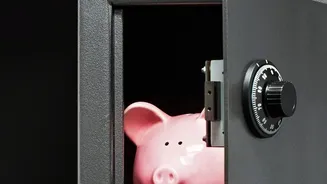




Review Your Emergency Fund First
Before you even think about festive spending, look at your emergency fund. This fund is your financial safety net for true crises, like job loss or a medical emergency, and should not be used for predictable expenses like festivals. A healthy emergency fund in India
typically covers at least three to six months of essential living costs. If your fund isn't where it should be, make topping it up a priority. Knowing your safety net is secure allows you to plan for discretionary spending with more confidence. This is the foundation upon which all other financial planning should rest.
Create a Detailed Festive Budget
The first rule of managing festive spending is to know exactly what you're planning to spend. Don't just keep a vague number in your head. Create a detailed list of all expected expenses: gifts for family and friends, new clothes, travel tickets, home decorations, special meals, and party costs. Assign a realistic spending limit to each category. Research shows households can spend 25-40% more during festive months. Having a written budget helps you track spending and prevents you from getting carried away by tempting sales and impulse buys.
Establish a Separate 'Festive Fund'
One of the smartest ways to prepare is by creating a dedicated 'festive fund' separate from your emergency savings. Think of this as a sinking fund for a planned, major expense. Starting in September, or even earlier, set aside a specific amount of money each week or month. Automating this process by setting up a recurring deposit or an automatic transfer to a separate savings account is highly effective. This ensures the money is there when you need it and stops you from having to dip into your core emergency fund or take on debt.
Plan Your Purchases and Travel Early
Last-minute shopping is a budget killer. Prices for everything from flights and trains to popular gift items can surge as festivals get closer. Aim to book travel tickets at least four to six weeks in advance to secure better fares. For shopping, start creating your gift lists now and keep an eye out for early-bird sales and discounts. Buying even a few weeks early can lead to significant savings and less stress compared to the frantic rush of the final days before a festival.
Trim the Non-Essentials Temporarily
To fuel your festive fund without feeling the pinch, take a hard look at your discretionary spending for the month. Can you reduce the number of times you order food in, cut back on subscriptions you barely use, or postpone a non-urgent purchase? Redirecting the money saved from these small cutbacks directly into your festive fund can make a surprisingly large difference over a few weeks. It’s a short-term adjustment for a specific, rewarding goal.
Resist the Lure of Easy Debt
The festive season is prime time for 'Buy Now, Pay Later' schemes, special loans, and tempting credit card offers. While these can seem convenient, they are a fast track to starting the new year with a debt hangover. Before taking on any new loan or credit, honestly assess your ability to repay it without straining your finances. A high debt-to-income ratio can negatively impact your financial health long after the celebrations are over. If you haven't saved for it, it's often better to postpone the purchase rather than fund it with high-cost debt.