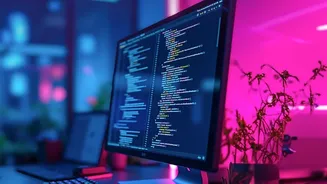







Oracle has moved to patch a critical security vulnerability in its Java platform after the flaw was first identified by an artificial intelligence system. The event highlights a major shift in cybersecurity and has put companies on high alert.
A Critical Flaw Uncovered
The vulnerability
was identified in a widely used component of the Java SE platform, a foundational technology for countless enterprise applications and systems across the globe. Security analysts noted that, if exploited, the flaw could have allowed an unauthenticated attacker to execute code remotely. This would grant them a backdoor to compromise server integrity, access sensitive data, or disrupt critical business operations. The discovery sent a ripple of concern through the tech community, given Java's ubiquity in everything from web applications to big data and mobile infrastructure. The nature of the vulnerability meant that many organisations were potentially exposed without even realising it, making the subsequent fix all the more critical.
How AI Pinpointed the Weakness
What makes this incident particularly noteworthy is not just the flaw itself, but how it was found. A cybersecurity firm, which remains unnamed, deployed a proprietary AI model to perform a deep analysis of Java's extensive codebase. Unlike human developers who might take months to manually review millions of lines of code, the AI system was able to scan for anomalous patterns and potential exploits in a fraction of the time. Trained on a massive dataset of known vulnerabilities and secure coding practices, the AI flagged a sequence of code that, while appearing benign to the human eye, could be manipulated in a specific way to bypass security protocols. It was a classic 'needle in a haystack' problem, and AI was the magnet that found it, demonstrating a powerful new capability in proactive threat hunting.
Oracle's Swift Response
Upon receiving the confidential report from the cybersecurity firm, Oracle’s security teams moved quickly to verify the findings. Acknowledging the severity of the AI-discovered flaw, the company developed and tested a patch to close the loophole. In a statement, Oracle confirmed the release of the security update and urged all customers using the affected Java versions to apply the fix immediately. This rapid turnaround is standard procedure for critical vulnerabilities but underscores the mature process major software vendors have in place for responding to threats. It also highlights the growing collaborative relationship between independent security researchers, enabled by new tools like AI, and the corporate giants responsible for maintaining the digital infrastructure we all rely on.
An Urgent Task for Indian IT
For India's sprawling IT sector, this news is more than just a distant headline. India is home to one of the largest communities of Java developers in the world, and the platform powers critical functions in banking, e-commerce, government services, and telecommunications. The directive is clear: companies must act now. This involves conducting an immediate audit of their software environments to identify all instances of the vulnerable Java versions. Simply applying a patch is not always straightforward; it requires testing to ensure it does not break existing applications. IT managers are now tasked with balancing the risk of the vulnerability against the operational challenge of deploying a widespread update. The incident serves as a stark reminder of the importance of software supply chain management and the need for robust patching protocols.
The Future of AI in Cybersecurity
This event is a landmark moment, signalling the formal arrival of AI as a key player in vulnerability management. For years, experts have theorised that AI could revolutionise how we find security flaws. This real-world example provides concrete proof. However, it also opens a new front in the cyber arms race. The same AI capabilities used to find this flaw could, in the wrong hands, be used by malicious actors to discover and weaponise zero-day exploits at an unprecedented speed. The cybersecurity industry is now entering an era where AI-powered defence mechanisms will be pitted against AI-powered attacks. This 'cat and mouse' game is about to get exponentially faster, forcing security professionals to innovate continuously just to keep pace.