




Bring the Universe Indoors with Apps
When the real sky is hidden, the one in your pocket can be a powerful substitute. Modern stargazing apps are more than just maps; they are interactive planetariums. Apps like SkyView, Star Walk 2, and Stellarium Mobile use your phone's sensors to create
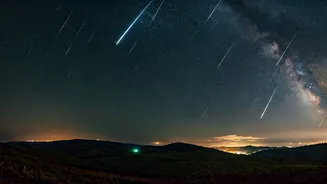
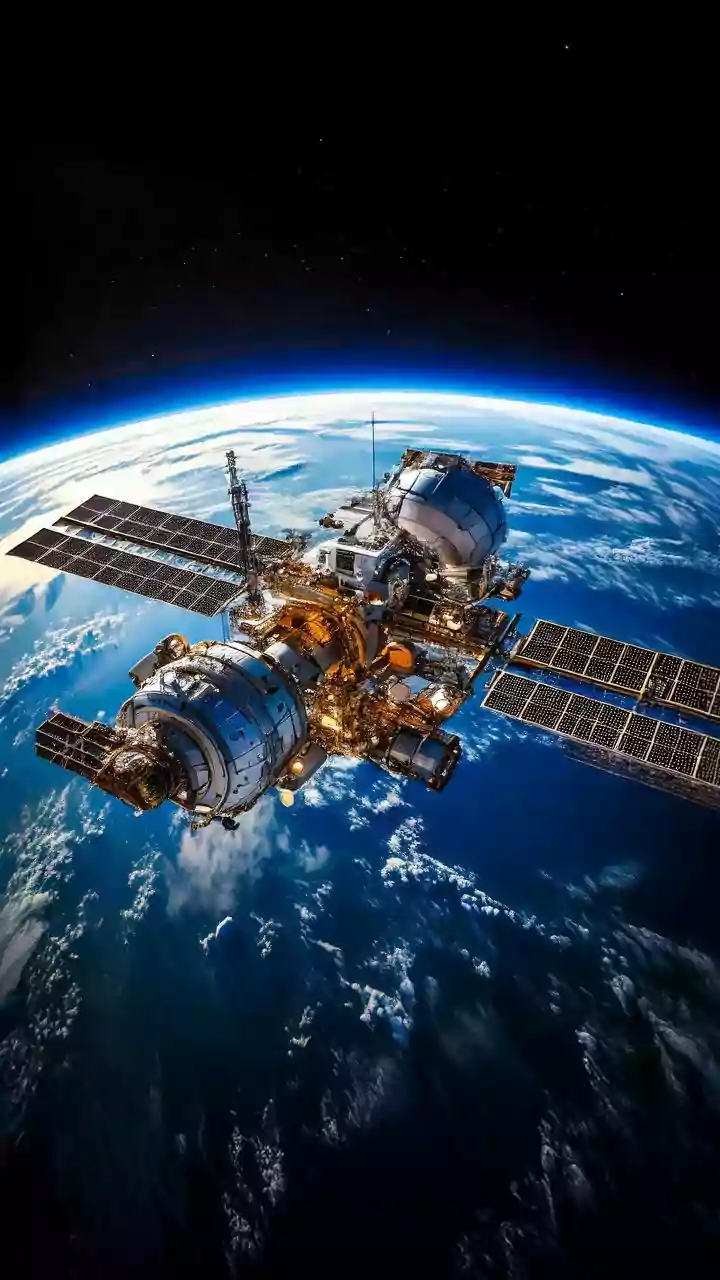
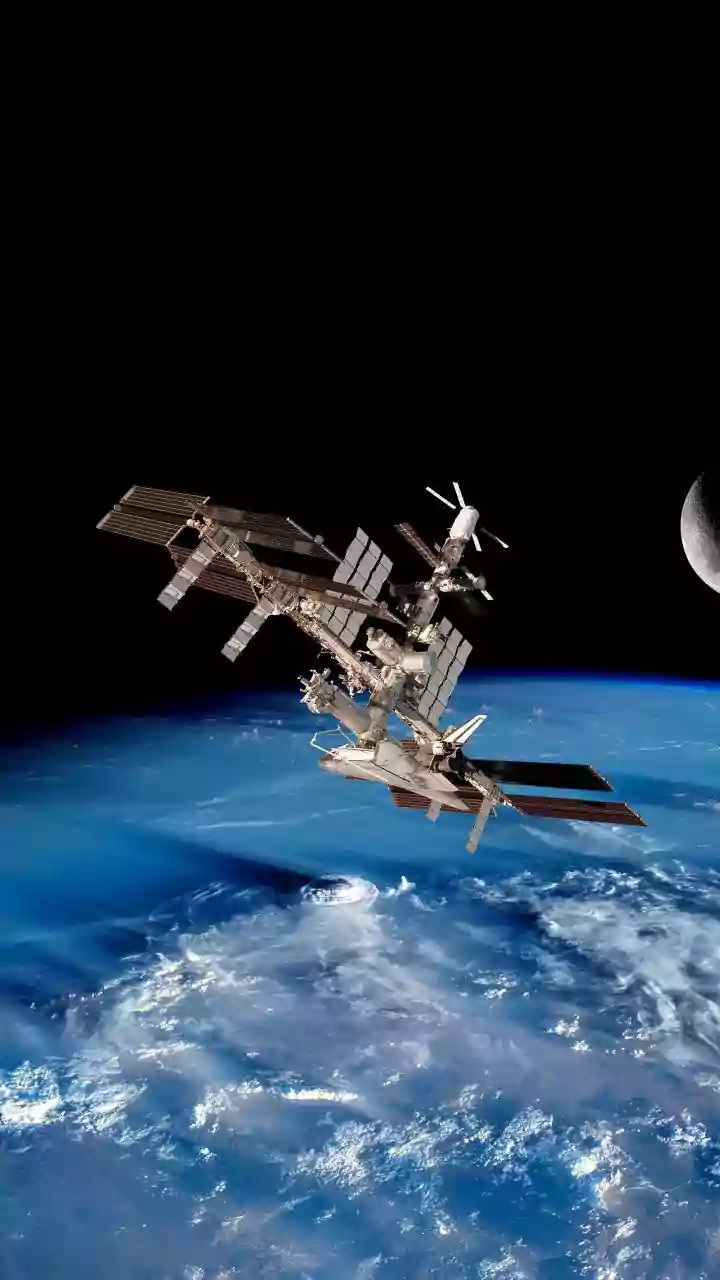
an augmented-reality window to the cosmos. Point your phone at a patch of cloudy sky, and the screen will reveal the stars, constellations, and planets hiding behind it. Many apps also feature calendars of celestial events, detailed information about deep-sky objects, and even 3D models of planets and satellites. It's an excellent way to learn constellations or track upcoming events like the Perseid meteor shower in August, which will have excellent, moon-free viewing conditions—if you can find clear skies.
Visit Your Local Planetarium
For a truly immersive experience, nothing beats the grandeur of a planetarium. India has a network of excellent facilities that bring the universe to life, rain or shine. Major cities are home to iconic institutions like the M.P. Birla Planetarium in Kolkata, hailed as the largest in Asia, and the Nehru Planetariums in Mumbai and Delhi. Cities like Bengaluru, Chennai, Guwahati, and Thiruvananthapuram also boast advanced planetariums with state-of-the-art projection systems. These centres offer curated shows on everything from the birth of the solar system to the latest space missions, providing a comfortable and educational escape from the rain while still fuelling your passion for the stars.
Deepen Your Astronomical Knowledge
Cloudy nights are the perfect opportunity to hit the books—or the documentaries. Use this downtime to transition from a casual observer to a knowledgeable enthusiast. There is a wealth of free and paid learning resources available online. Platforms like Coursera and edX offer structured courses from world-renowned universities. YouTube channels from institutions like Yale University provide full lecture series on astrophysics. For more visual learning, documentaries on streaming services can transport you to distant galaxies. You can also explore resources from NASA, the European Space Agency, or join online communities like the iAstronomer Club or Astrophiles India to connect with fellow enthusiasts and experts.
Process and Prepare for Clear Nights
For the dedicated astrophotographer, a cloudy night doesn't mean putting the hobby on pause. This is valuable time to work on the images you've already captured. Post-processing is an art in itself, and learning to stack images, reduce noise, and bring out faint details can transform your raw data into a stunning celestial portrait. Organise your observation logs, clean your lenses, and calibrate your equipment. This preparation ensures that when the clouds finally part, you'll be ready to make the most of every precious second of clear sky, without wrestling with gear or software.
Plan Your Next Stargazing Trip
Use the monsoon season to dream and plan for future adventures under pristine night skies. India has several designated dark-sky locations that offer breathtaking views of the Milky Way. The high-altitude deserts of Ladakh and Spiti Valley in Himachal Pradesh are world-renowned for their clear, dry air, especially during the summer and post-monsoon months. Other fantastic options include the Rann of Kutch in Gujarat, parts of Rajasthan, and accessible getaways in the Western Ghats like Coorg once the monsoon recedes. Researching these destinations, finding the right homestays, and marking your calendar for the post-monsoon season can turn the frustration of being cloud-bound into the excitement of a trip to come.