






Before You Leave: The Non-Negotiable Checks
A safe trip starts before you even turn the key. The most critical components to check for rainy conditions are your tyres, wipers, and lights. Ensure your tyres have adequate tread depth; worn-out tyres are a major risk for skidding on wet surfaces.
A simple coin test can give you a rough idea. Also, check for correct tyre pressure. Under-inflated tyres can affect handling. Next, inspect your windscreen wipers. If they leave streaks or make scraping noises, replace them immediately. Good visibility is your first line of defence. Finally, test all your lights—headlights, tail lights, brake lights, and especially your fog lamps. You need to see and be seen clearly by other drivers.
Driving Smarter, Not Faster
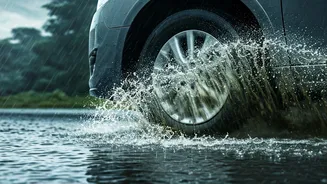
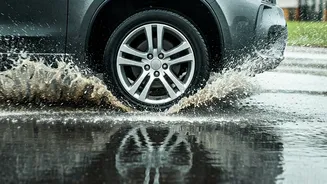
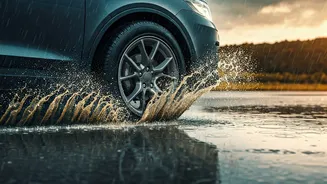
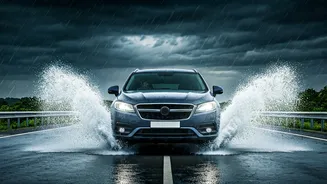
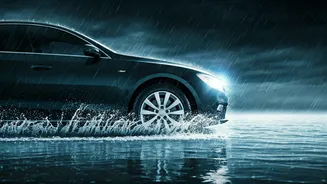
Wet roads demand a change in driving style. The golden rule is to slow down. Your car needs more distance to stop on a wet surface, so increase your following distance from the vehicle ahead. The standard three-second rule should be doubled to at least five or six seconds. Avoid sudden actions—accelerate gently, brake early, and make smooth, deliberate turns. Be particularly cautious of hydroplaning, where your tyres lose contact with the road and skim on a layer of water. If you feel the steering become light, ease off the accelerator and steer straight until you feel the tyres regain grip. Do not slam the brakes. Driving in the tracks of the vehicle ahead can also help, as their tyres have already displaced some of the water.
Pack a Monsoon-Ready Kit
Your standard car kit needs a few upgrades for a rainy road trip. Pack a couple of large, absorbent towels for drying off yourself, your luggage, or mopping up any leaks. A sturdy umbrella is a must for those pit stops. Keep a waterproof bag or a few large zip-lock pouches handy for your electronics like phones and cameras. A powerful, waterproof torch can be a lifesaver if you have to inspect your car or change a tyre in the dark. It’s also wise to pack a warm blanket or a jacket, as the weather can turn chilly. And don’t forget a fully charged power bank; you don’t want your phone dying when you need it for navigation or emergencies.
Mastering a Fog-Free Cabin
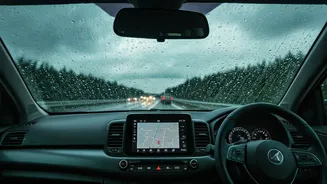
One of the most common frustrations when driving in the rain is a fogged-up windscreen that dangerously obstructs your view. This happens because of the temperature and humidity difference between the inside and outside of your car. The solution is your air-conditioning system. Turn on the AC and direct the airflow towards the windscreen. The AC acts as a dehumidifier, removing moisture from the air inside the cabin and clearing the glass quickly. For the rear windscreen, use the defogger button, which activates heating elements in the glass. Keeping the inside of your windshield clean also helps prevent fog from forming in the first place.
Plan Your Route and Stops Wisely
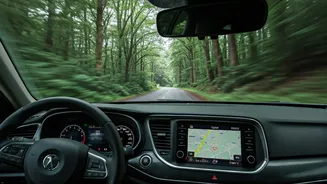
While spontaneity is part of the fun of a road trip, a rainy day calls for more planning. Before you set off, check the weather forecast for your entire route, not just your destination. Be aware of any warnings for heavy downpours or flooding. Use navigation apps but be critical of the 'fastest route', which may take you through narrow, poorly maintained, or low-lying roads prone to waterlogging. Stick to national highways and major roads where possible. Plan for more frequent breaks. Driving in the rain is more mentally taxing, so stopping for a hot cup of chai or a warm meal can help you stay refreshed and focused.
Embrace the Journey, Don't Fight It
Perhaps the most important tip is to adjust your mindset. Rain doesn't have to be a negative. The landscape transforms during a downpour—the colours become more vibrant, the air gets cleaner, and the world outside your window takes on a moody, beautiful quality. Embrace the opportunity to witness misty mountains and lush, green scenery. The quintessential Indian monsoon experience involves stopping at a roadside dhaba for hot pakoras and tea while watching the rain fall. Turn up your favourite playlist, enjoy the conversation, and see the journey itself as the destination. A rainy road trip isn't a failed sunny one; it's a different kind of adventure.
Know When to Pull Over
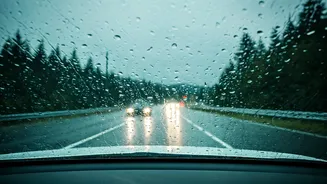
Finally, there is no shame in admitting that conditions are too dangerous to continue. If the rain becomes so heavy that your wipers can't keep up and visibility drops to near zero, or if you encounter deep, flowing water on the road, the only smart move is to stop. Find a safe place to pull over, like a rest area, petrol pump, or a well-lit public space, away from trees or power lines. Turn on your hazard lights and wait for the worst of the weather to pass. Trying to push through a severe storm is not brave; it’s reckless. Your destination will still be there when the road is safe again.