




The Philosophy of Fasting Food
Navratri fasting is about more than just abstaining from certain foods; it's a practice of discipline and purification. The diet followed is typically 'Sattvic', meaning it is pure, clean, and balanced, promoting peace and mental clarity. This involves
avoiding grains like wheat and rice, lentils, onions, garlic, and processed items. Instead, the focus shifts to a range of easily digestible and energy-giving ingredients that help cleanse the body and prepare it for the changing season. This dietary shift gives the digestive system a rest and supports the body's natural detoxification processes.
The Flour Power-Up: Grains and Pseudo-Grains
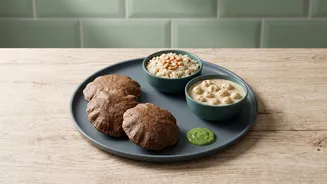
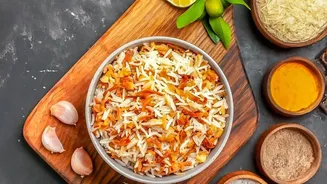
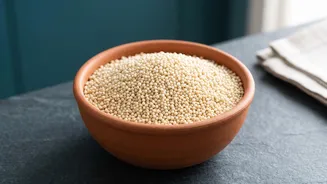
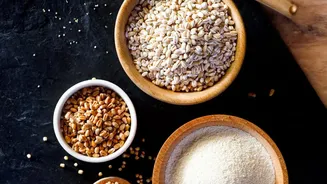
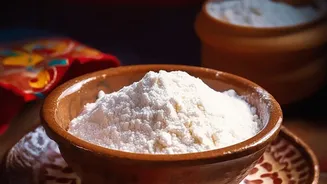
Regular wheat and rice are avoided during Navratri, making way for a variety of nutrient-dense alternatives. Kuttu ka atta (buckwheat flour), Singhare ka atta (water chestnut flour), and Rajgira (amaranth flour) are popular choices. Despite its name, buckwheat (kuttu) is a gluten-free fruit seed with a nutty flavour, known for providing warmth to the body. Singhare ka atta is derived from dried water chestnuts and is lighter, with cooling properties. Another key player is Samak ke chawal (barnyard millet), a gluten-free millet used as a substitute for rice in dishes like khichdi and pulao. These flours and pseudo-grains are packed with fibre, protein, and essential minerals, providing sustained energy throughout the fast.
The Essential Salt: Sendha Namak
One of the most distinct rules of Navratri fasting is the replacement of regular table salt with Sendha Namak, or rock salt. This is because Sendha Namak is the purest form of salt, unprocessed and free from chemical additives. According to Ayurvedic principles, it is cooling in nature, unlike table salt. It's also lower in sodium and rich in minerals like potassium, magnesium, and calcium, which help maintain the body’s electrolyte balance, a crucial aspect during fasting. Its use aids digestion, helps prevent bloating, and is even considered a better option for those with hypertension.
Vegetables, Fruits, and Nuts
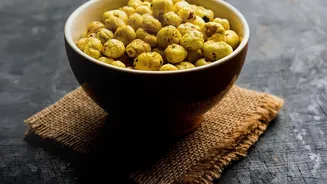
The vegetable list during Navratri is specific, focusing on those that are easy to digest. Staples include potatoes, sweet potatoes, pumpkin, bottle gourd (lauki), arbi (colocasia), and cucumber. These provide essential carbohydrates and vitamins to maintain energy levels. All fruits are permitted, offering natural sugars, fibre, and hydration. Nuts and seeds like almonds, walnuts, and peanuts are also encouraged, providing healthy fats and protein. A particularly popular fasting snack is makhana (fox nuts), which are light, crunchy, and can be roasted with a little ghee and Sendha Namak for a savoury treat.
The Role of Dairy and Spices
Dairy products play a significant role in the Navratri diet. Milk, yogurt (curd), paneer (cottage cheese), and ghee are considered Sattvic and are excellent sources of protein and calcium, helping to prevent fatigue. They add richness and flavour to fasting meals, from simple milk-based sweets to hearty paneer curries. When it comes to spices, the list is also selective. Permitted spices include cumin (jeera), black pepper (kali mirch), green cardamom (elaichi), cloves, and cinnamon. These flavouring agents are used to create delicious dishes that are anything but bland, proving that fasting food can be both flavourful and spiritually compliant.