

The Daily Dinner Dilemma
After a long day of deadlines and meetings, energy levels are at an all-time low. The choice between spending an hour in the kitchen, followed by a mountain of dishes, or just ordering in is a familiar struggle. This cycle not only impacts your wallet
but also your health, with restaurant and takeout meals often being high in sodium, unhealthy fats, and calories. Home-cooked meals are consistently linked to better health outcomes, including healthier body weights and lower cholesterol. The challenge is making it a sustainable daily habit, not a weekend luxury. This is where the magic of one-pot cooking comes in, transforming dinner from a chore into a simple, satisfying ritual.
Less Mess, Less Stress, More Nutrients
The most celebrated benefit of one-pot cooking is the minimal cleanup. Using a single vessel—be it a pressure cooker, a kadai, or a Dutch oven—drastically reduces the post-dinner workload. But the advantages go far beyond convenience. Cooking all your ingredients together allows flavours to meld beautifully, creating a richer taste profile. More importantly, this method is excellent for nutrient retention. When you boil vegetables separately, water-soluble vitamins can leach out into the water. In a one-pot meal, especially one that uses a pressure cooker, these nutrients are retained within the dish as the cooking liquid becomes part of the final sauce or gravy. The shorter cooking times associated with methods like pressure cooking also mean that delicate vitamins are better preserved.
Hack 1: Master the Art of Indian One-Pot Meals
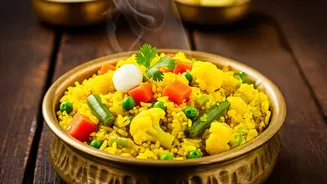
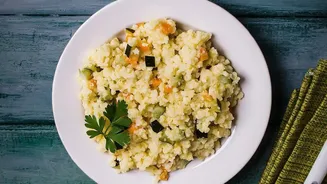
Indian cuisine is naturally suited for one-pot wonders. Think of the humble and wholesome khichdi, a complete meal of rice and lentils that can be jazzed up with vegetables and spices. Similarly, dishes like vegetable pulao, dal dhokli, and various sabzis can all be prepared in a single pressure cooker. These meals are not just convenient; they are designed to be nutritionally balanced, providing a healthy mix of carbohydrates, protein, and fibre. A pressure cooker, a staple in most Indian kitchens, is your best friend here. It reduces cooking time by up to 70%, tenderises tough ingredients, and makes grains and legumes more digestible.
Hack 2: Prep Smart, Not Hard
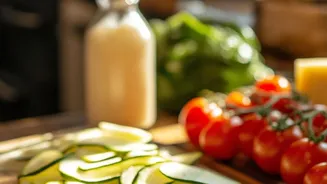
The secret to a lightning-fast weeknight dinner is a little weekend preparation. You don't need to cook full meals in advance. Instead, focus on 'component prep'. Spend 30 minutes on a Sunday chopping onions, tomatoes, and other base vegetables. Prepare a batch of ginger-garlic paste. Wash and store leafy greens. Having these components ready to go means your active cooking time on a Tuesday evening can be as little as 10-15 minutes. This strategy allows you to simply toss the prepped ingredients into your pot, add your protein and spices, and let the stove do the work while you unwind.
Hack 3: Batch Cook for Future You
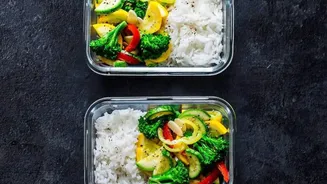
The beauty of a one-pot meal is that it’s just as easy to cook a larger batch as it is a single serving. Making double the amount of a dal, curry, or sabzi takes virtually no extra active cooking time. These leftovers are perfect for the next day's lunch, saving you from another decision and expense. Many one-pot meals, like stews and curries, often taste even better the next day as the flavours have more time to deepen and meld. Portion out the extras into containers for a ready-made meal that just needs a quick reheat, ensuring you have a healthy option on hand even when you’re completely out of time.