



The Monsoon Connection
El Niño is characterized by the unusual warming of sea surface temperatures in the central and eastern Pacific. This shift disrupts global atmospheric circulation, often weakening the southwest monsoon that delivers about 70-75% of India's annual rainfall.
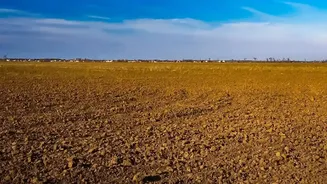
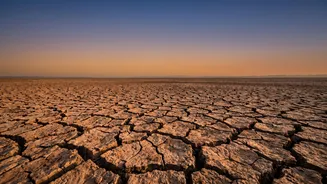
For a nation where nearly half of the agricultural land is rain-fed, a weak or erratic monsoon is a serious concern. Forecasts for 2026 indicate a strengthening El Niño event that is expected to peak in November and persist into early 2027. As of mid-September 2026, the country is already facing a significant rainfall deficit, setting the stage for what could be the driest monsoon in over a decade.
Rice and Pulses on High Alert
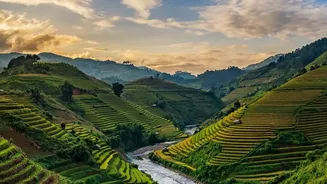
Kharif crops, sown during the monsoon, are the most vulnerable. Rice, a staple for a majority of Indians, is particularly at risk. It requires substantial and consistent water, especially during its growth phase in August and September. Rainfall deficits during this critical period can lead to lower yields that cannot be easily compensated for later. Historical data suggests that significant El Niño events can reduce national rice production substantially. Pulses, another essential component of the Indian diet, also face a threat. While some varieties are more drought-tolerant, overall production is heavily dependent on monsoon performance. Deficient rains could shrink the harvest, putting pressure on both availability and prices.
Sugarcane, Cotton and Oilseeds at Risk
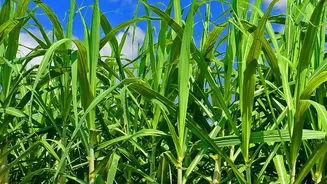
The impact extends beyond food grains. Sugarcane, a water-intensive crop, is highly susceptible to drought-like conditions, which can stunt growth and reduce sugar content. Maize, cotton, and various oilseeds are also on the list of vulnerable crops, with expected rainfall shortages threatening their output. The US Department of Agriculture has already forecast a drop in India's rice and maize production for the year. This broad-based agricultural stress not only affects farmers' incomes but also has a cascading effect on related industries, from sugar mills to textile manufacturing.
The Economic Domino Effect
The consequences of a poor harvest ripple through the entire economy. Reduced farm output directly leads to higher food prices, a primary driver of inflation in India, where food constitutes a large part of household spending. This can strain family budgets, especially for the poor and lower-middle class. Beyond inflation, diminished agricultural production leads to lower rural incomes, which in turn suppresses demand for goods and services, potentially slowing down overall economic growth. Furthermore, depleted reservoir levels can impact hydropower generation, adding another layer of pressure on the economy.
A Shield for Farmers
Recognizing the threat, the Indian government has initiated a multi-pronged strategy to protect the agricultural sector. Authorities have identified hundreds of vulnerable districts and are deploying contingency plans tailored to local conditions. These measures include promoting the cultivation of drought-tolerant and short-duration crops like millets and certain pulses, ensuring the availability of seeds for re-sowing if early crops fail, and bolstering water conservation efforts through the expansion of ponds and reservoirs. Financial safeguards, such as crop insurance and credit access, are also being reinforced to cushion farmers from potential losses. The goal, as stated by officials, is to act early with scientific planning to limit disruptions and protect livelihoods.