



Embrace the Power of Native Plants
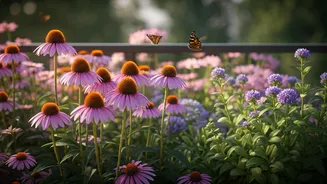
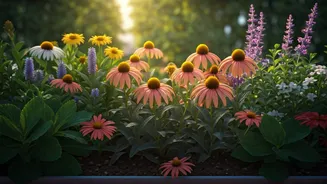
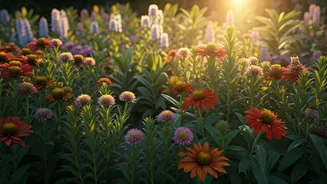
The single most impactful choice you can make is to prioritise native plants. These are species that have grown in your local region for centuries. Unlike exotic or ornamental varieties that often require special soils, heavy watering, and constant pest
control, native plants are perfectly adapted to India's climate. They have evolved to thrive in our seasons, resist local pests and diseases, and survive on our natural rainfall patterns once established. This means less work for you and a healthier, more resilient garden. By choosing native species, you are not just planting a flower; you are re-establishing a piece of a natural ecosystem that has been displaced by urbanisation. Your garden becomes a small but powerful sanctuary.
Marigold (Genda): The Cheerful Protector
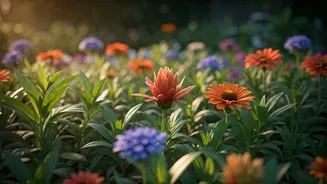
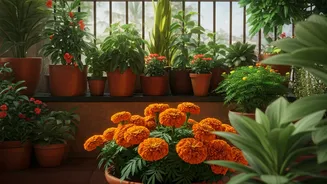
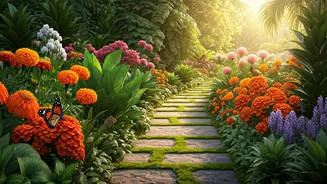
The vibrant orange and yellow of the marigold is a staple in Indian households for a reason. Beyond its cultural significance and cheerful appearance, Genda is a powerhouse of natural pest control. The roots of certain marigold varieties release a substance that repels nematodes, microscopic worms that can damage the roots of other plants, particularly vegetables like tomatoes and brinjals. Planting marigolds around your garden or in between your vegetable patches is an ancient organic gardening technique. They are also incredibly easy to grow from seed, tolerate heat well, and their flowers attract beneficial insects like hoverflies and ladybirds, which prey on aphids and other common garden pests. They are nature’s colourful bodyguards.
Holy Basil (Tulsi): A Hub for Bees
No Indian garden feels complete without a Tulsi plant. While revered for its medicinal and spiritual properties, Tulsi is also an ecological champion. Its small, delicate flowers are a magnet for native bees, which are essential pollinators for countless other plants, including many of the fruits and vegetables we eat. By planting Tulsi, you provide a crucial food source for these vital insects. Tulsi is hardy, requires minimal care, and can be grown in pots on a balcony or in a larger garden bed. Its leaves also have a strong aroma that can help deter mosquitoes and other unwanted insects, making your time in the garden more pleasant. It’s a plant that gives back in countless ways.
Hibiscus (Gudhal): The Pollinator Cafe
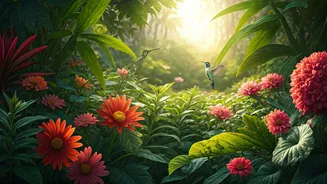
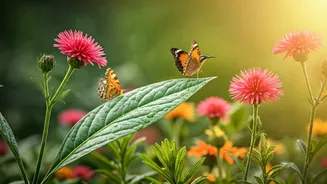
The large, showy blooms of the Hibiscus plant are not just for show. They are a critical food source for a wide range of pollinators. The deep trumpet shape of the flower is perfectly designed for sunbirds, which feed on its rich nectar. Butterflies, particularly larger species, are also frequent visitors. And of course, bees of all sizes flock to its pollen-laden stamens. With hundreds of native and hybridised varieties available, you can find a Hibiscus that suits any garden size. They are sun-loving, relatively drought-tolerant once mature, and reward you with a continuous display of stunning flowers that serve as an open-invitation cafe for your local wildlife.
Jasmine (Mogra/Chameli): Fragrance for You, Food for Moths
We love jasmine for its intoxicating evening fragrance, but that scent serves a specific purpose in nature: to attract nocturnal pollinators. While we are sleeping, hawk moths and other night-flying insects are busy visiting these fragrant white flowers, transferring pollen as they feed on nectar. These moths are, in turn, an important food source for bats and nocturnal birds. Planting a native jasmine variety like Mogra (Jasminum sambac) or Chameli (Jasminum grandiflorum) not only fills your home and garden with a beautiful aroma but also supports a hidden, night-time ecosystem. These climbers are easy to manage and can be trained over a wall, trellis, or fence, adding vertical beauty to your garden.