






The Unbeatable Original
Lassi is more than just a drink; it's a centuries-old tradition from the Indian subcontinent, especially celebrated in Punjab. [3, 11] Often called "the air conditioner of Punjab," this yogurt-based beverage has been a staple for generations, designed
to refresh and nourish during intense summer heat. [3] Its history is ancient, with mentions in texts like the Mahabharata and Ayurvedic scriptures dating back thousands of years. [2, 8] Traditionally made by blending dahi (curd) with water, it can be served sweet (meethi) or savoury (namkeen), but its core purpose remains the same: to cool the body and aid digestion. [2, 3] This simple yet profound beverage is a symbol of hospitality and an integral part of daily life and festivals, embodying a rich culinary heritage. [2, 8, 11]
The Health Showdown: Lassi vs. Sugary Drinks
When pitted against modern carbonated drinks and packaged juices, lassi’s nutritional superiority becomes clear. Most commercial coolers offer empty calories from refined sugar and artificial ingredients. Lassi, on the other hand, is a probiotic powerhouse. [6, 19, 23] The live lactobacillus bacteria in the yogurt base support a healthy gut microbiome, which is essential for digestion, nutrient absorption, and a strong immune system. [15, 23, 24] While a sweet lassi does contain sugar (often around 13-18 grams, though homemade versions can have less), it also delivers protein, calcium, potassium, and B vitamins. [7, 9, 21] This nutrient density helps promote satiety, making you feel full longer and aiding in weight management—a stark contrast to sugary drinks that can lead to energy crashes and overeating. [6, 18]
More Than a Drink: The 'Desi Cred' Factor
The resurgence of lassi isn’t just about health; it’s about cultural pride and a return to authenticity. In an era of globalized food trends, there's a growing appreciation for traditional, homegrown wisdom. Lassi’s “desi cred” comes from its deep-rooted identity. [2] It’s a product of ancient health science, praised in Ayurveda as a 'satvik' (balancing) food that cools the body and strengthens digestion. [3, 8] Choosing lassi over a multinational soda brand is a small act of connecting with one's heritage. It represents a vote for local dairy, time-tested recipes, and a food system that is more transparent and natural. This cultural resonance gives every sip a meaning that no factory-produced beverage can replicate.
The Modern Lassi Revolution
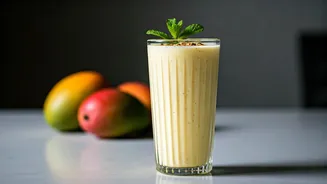
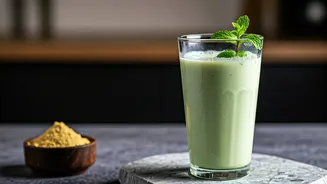
While classic sweet and salty versions remain beloved, lassi is also evolving to meet modern tastes. Cafes and brands are innovating with an exciting array of flavours, proving the drink’s versatility. [16] Beyond the globally popular mango lassi, you can now find varieties like rose, saffron-pistachio, strawberry, and even chocolate. [12, 14, 20] There are also savoury versions with mint and cumin, and healthier twists using honey instead of sugar. [14, 22] For the growing number of people with dietary restrictions, vegan lassis made from coconut or almond yogurt are becoming available, ensuring that everyone can enjoy this timeless drink. [22] This fusion of tradition and innovation keeps lassi relevant and exciting for a new generation.