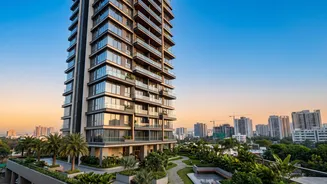








Pune's Real Estate Market Today
Pune's real estate market in 2026 is best described as mature and stable, not speculative. Driven by the steady growth of its IT and manufacturing sectors, property prices have been appreciating moderately at about 5-10% annually in many key areas. This
isn't a bubble, but a controlled boom fueled by genuine end-user demand. Prices in popular IT corridors like Hinjewadi, Wakad, and Kharadi range from ₹9,000 to over ₹14,000 per square foot. While sales saw a temporary dip in mid-2026 as buyers grew more cautious, the underlying demand remains strong. This steady appreciation means waiting on the sidelines could make buying more expensive later, adding pressure to the decision.
The Case for Buying: An Asset for the Future
The primary argument for buying a home is long-term wealth creation. While the initial costs—a down payment of 15-20%, plus stamp duty and registration—are significant, a home is a tangible asset that is likely to appreciate in value. In Pune's fundamentals-driven market, property prices are forecast to continue their upward trend, especially in areas with new infrastructure like the Metro and Ring Road. Owning a home also provides stability and a sense of security that renting cannot match. Your monthly EMI is a form of forced savings that builds equity over time. Furthermore, homeowners can avail tax benefits on both the principal and interest components of their home loan, which can provide significant savings annually.
The Compelling Logic of Renting
Renting offers financial flexibility and a lower barrier to entry. With no hefty down payment required, you can invest the surplus capital in other avenues like mutual funds or stocks, which may offer higher returns. This is known as opportunity cost, and it's a major factor in high-priced markets. For a typical 2BHK in Pune, you might pay a rent of ₹20,000-₹30,000 per month, whereas an EMI for a similarly valued property could be over ₹55,000, assuming a loan of around ₹60-64 lakh. Renting also frees you from the responsibilities and costs of property taxes, maintenance, and repairs. For professionals who may need to relocate for work, the flexibility to move without the hassle of selling a property is a significant advantage.
Running the Numbers: EMI vs. Rent
Let's consider a simplified scenario. Buying a ₹75 lakh flat with a 20% down payment (₹15 lakh) would require a ₹60 lakh loan. With home loan interest rates currently averaging between 8.4% and 9.2%, a 20-year loan would result in an EMI of approximately ₹52,000 - ₹55,000. A comparable apartment might rent for ₹25,000 a month. Initially, renting seems far cheaper. However, rent typically increases by 5-10% annually. The EMI, on a fixed-rate loan, remains constant. Over several years, as rent increases and your property's value appreciates, the financial equation starts to tilt in favour of buying. A common rule of thumb is the 'price-to-rent' ratio; if the property price is more than 25 times the annual rent, renting is often financially smarter in the short to medium term. In many Pune localities, this ratio hovers in a neutral zone, making the decision highly dependent on individual circumstances.
Beyond the Balance Sheet: Lifestyle and Goals
The rent-vs-buy decision is not purely financial. Homeownership offers intangible benefits like the freedom to renovate, a stable environment for a family, and a deeper sense of belonging to a community. However, it may also mean compromising on location or size to stay within budget. Renting, on the other hand, allows you to live in a prime locality that you might not be able to afford to buy in, often closer to your workplace or preferred schools. Your personal and professional goals are critical. If you have a stable job and plan to stay in Pune for the long haul (over 7-10 years), buying is a strong consideration. If your career is dynamic or you value the freedom to explore different cities, renting provides the agility you need.