



The Simple Secret to Lightness
What makes sorbet the undisputed champion of light desserts? The answer lies in its beautiful simplicity. Unlike ice cream or gelato, traditional fruit sorbet contains no dairy—no milk, no cream, and no eggs. It is a pure, unadulterated celebration of fruit,
crafted from just three core ingredients: fruit purée, sugar, and water. This minimalist approach means it’s naturally fat-free and often vegan, making it an inclusive option for guests with dietary restrictions. The absence of dairy fat allows the fruit's true flavour to shine through with an intensity that’s clean, sharp, and intensely refreshing. It’s a dessert that cleanses the palate, leaving you feeling revitalised, not full.
A Canvas for Nature’s Colours
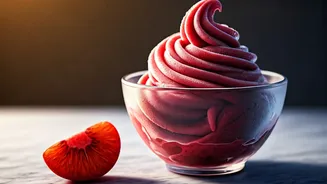
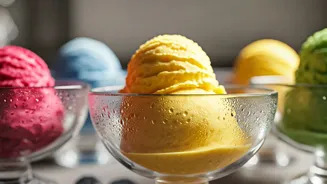
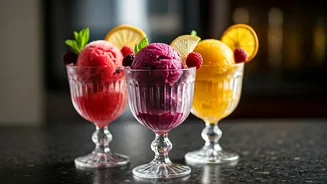
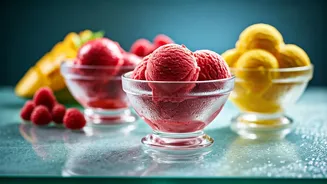
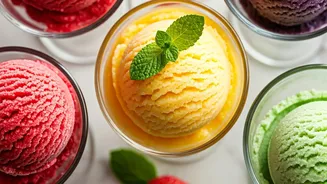
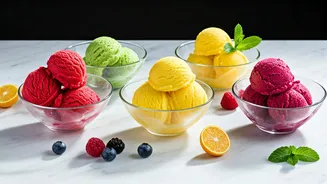
Sorbets are a feast for the eyes before they even touch your lips. Because there are no opaque dairy fats to mute the tones, the natural, brilliant colours of the fruit become the star. Think of the deep, jewel-toned magenta of a jamun sorbet, the sunny, optimistic orange of Alphonso mango, or the shocking pink of watermelon and mint. Even a simple lemon or mosambi sorbet has a pale, sophisticated translucence that looks stunning in a chilled glass. This visual appeal makes sorbet an effortless way to add a pop of colour to your dining table. You’re not just serving a dessert; you’re presenting a scoop of edible art, coloured by nature itself.
Getting the Texture Just Right
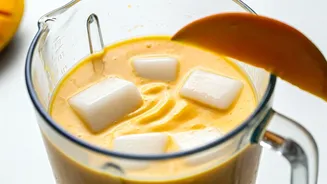
The magic of a great sorbet is its smooth, non-icy texture. Achieving this at home is easier than you think, even without a fancy ice cream machine. The key is the sugar-to-fruit ratio. Sugar does more than just sweeten; it’s a crucial component that lowers the freezing point of the water, preventing the formation of large, crunchy ice crystals. A good rule of thumb is to start with a simple syrup (equal parts sugar and water, heated until the sugar dissolves and then cooled). Blend your fresh fruit into a smooth purée, then gradually add the cooled syrup to taste. The mixture should be slightly sweeter than you’d want to drink, as sweetness is muted when frozen. For a smoother, no-churn result, pour the mixture into a shallow metal pan. Every 30-45 minutes, use a fork to scrape and break up the frozen crystals, repeating until the entire mixture is flaky and uniform.
The Art of Elegant Presentation
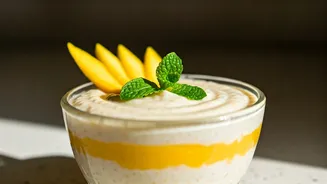
Part of sorbet’s charm is its sophisticated presentation, which is surprisingly easy to achieve. First, always serve it very cold. Store your serving bowls or glasses in the freezer for 15 minutes before scooping. For a perfect, professional-looking scoop, dip your ice cream scoop in hot water before gliding it through the sorbet. Don’t overcrowd the bowl; one or two well-formed scoops look more elegant than a large pile. Garnish is your final flourish. A sprig of fresh mint can elevate a mango or lemon sorbet, a sprinkle of finely chopped pistachios adds texture and colour to lychee sorbet, and a very light dusting of black salt (kala namak) can create a surprising and delightful contrast on a guava sorbet. The goal is to add a complementary flavour, texture, or aroma that enhances the main event.
Perfectly Designed for Sharing
Sorbet is the ultimate dessert for entertaining in India. It can be made well in advance, freeing you up on the day of your party. Making a large batch is just as easy as making a small one. For your next gathering, consider setting up a ‘sorbet bar’. Offer two or three different flavours—perhaps a classic mango, a zesty lime, and an exotic kokum—and let guests choose their own. Serve it as a palate cleanser between a spicy starter and a rich main course, or as the light, refreshing finale to a heavy festive meal. Its crowd-pleasing nature, ease of preparation, and ability to cater to various dietary needs make it a host’s best friend. It’s a simple, generous gesture that says you care about your guests’ enjoyment from start to finish.