


The Rewards of Growing at Home
Beyond the simple joy of watching something grow, a kitchen garden offers a wealth of benefits. The most obvious is access to fresh, nutritious, and flavourful produce that is free from harmful pesticides. This direct control over your food source not
only enhances meals but can also lead to healthier eating habits for the whole family. Furthermore, it’s a sustainable practice that can reduce your grocery bills and your carbon footprint by lessening reliance on long-distance food transport. Gardening is also a well-regarded physical and mental wellness activity, providing a gentle workout and a way to connect with nature amidst city life.
Getting Started: Sun, Soil, and Containers
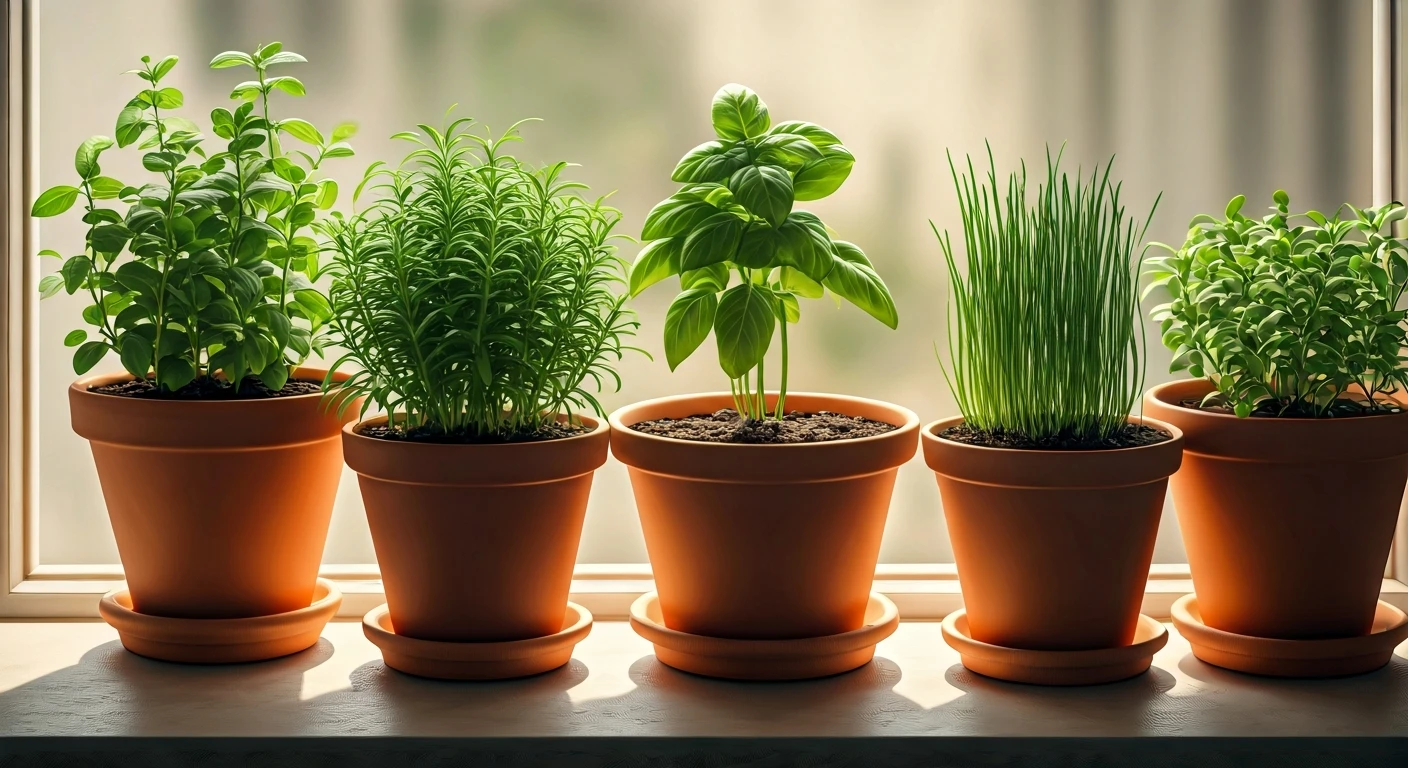
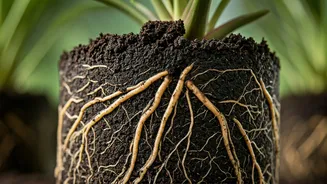
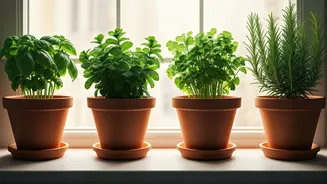
Starting a kitchen garden doesn't require a large plot of land. The first step is to assess your space. Most vegetables and herbs need at least five to six hours of direct sunlight daily, so a south or west-facing balcony or window is ideal. For soil, a beginner-friendly mixture combines garden soil, compost, and cocopeat in equal parts. This blend ensures good drainage while retaining necessary moisture. The choice of container is flexible; terracotta pots are great for temperature control, but you can use anything from grow bags to old buckets, as long as they have drainage holes to prevent waterlogging.
Easy Greens for Indian Beginners
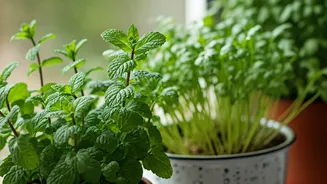
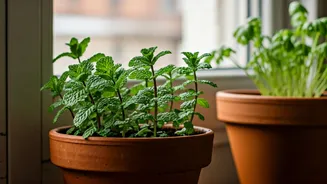
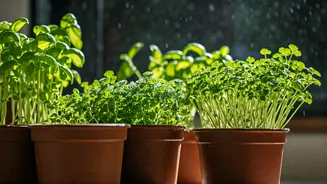
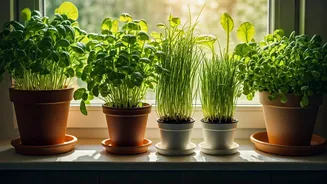
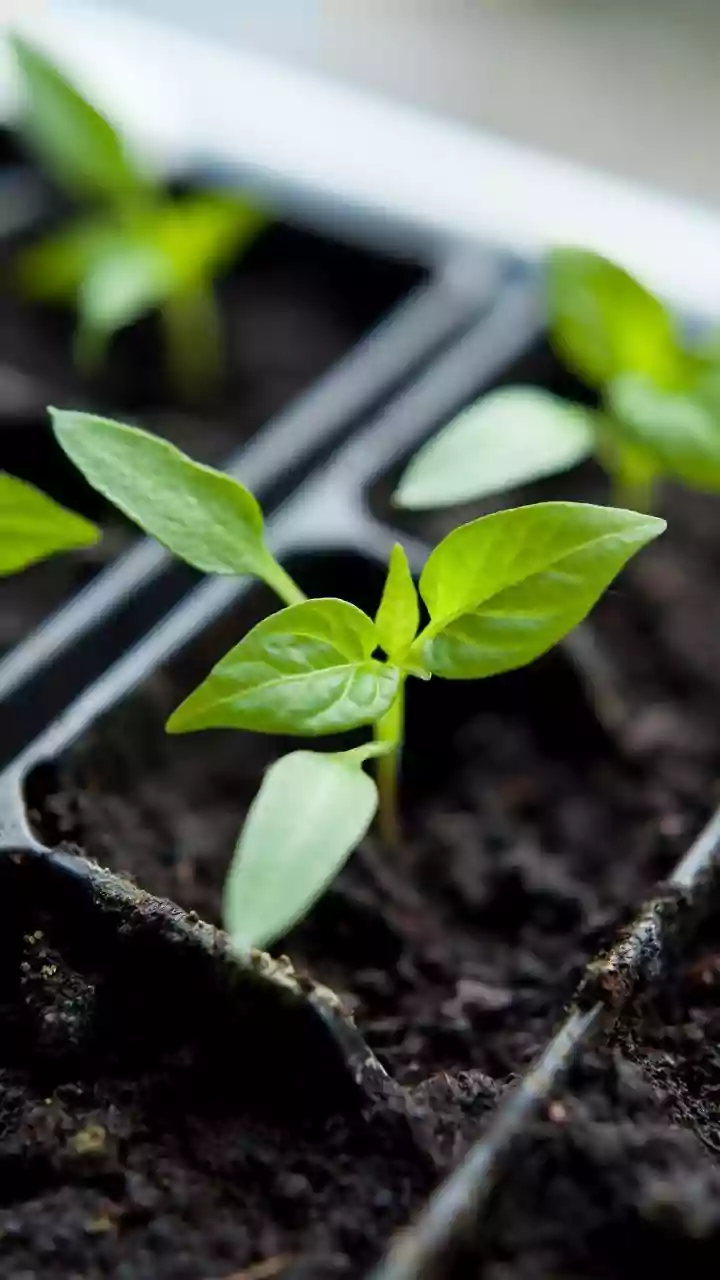
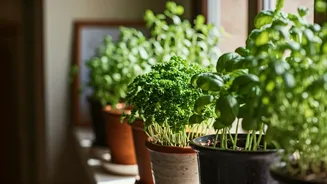
Starting with easy-to-grow plants builds confidence. For Indian climates, several herbs and vegetables thrive in pots. Herbs like coriander (dhaniya), mint (pudina), and curry leaves are kitchen essentials that are simple to cultivate. When it comes to vegetables, tomatoes, green chillies, and spinach (palak) are very beginner-friendly. Tomatoes and chillies love the sun, while spinach can tolerate partial shade. Ladyfinger (bhindi) and brinjal also grow well in pots with sufficient sunlight and regular watering. Many of these, like spinach, can be ready to harvest in a few weeks.
Basic Care and Maintenance
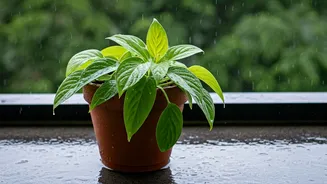
Consistent care is key to a thriving garden. Water your plants wisely; the goal is to keep the soil moist but not soaked. It's best to water early in the morning to reduce evaporation. A simple test is to stick your finger about an inch into the soil; if it feels dry, it's time to water. To keep pests at bay naturally, a weekly spray of neem oil solution can be very effective. Regularly removing any yellowed or dead leaves, a process known as pruning, helps the plant direct its energy toward new growth and keeps it healthy. Feeding your plants with homemade compost every month or so will also replenish the soil's nutrients.
Beyond the Pot: Exploring Hydroponics
For those with very limited space or no access to good soil, hydroponics offers a modern alternative. This method involves growing plants in a nutrient-rich water solution without any soil. Hydroponic systems can be set up vertically, making them incredibly space-efficient for small apartments. They also use significantly less water than traditional gardening and can allow for year-round cultivation of leafy greens and herbs. Beginner-friendly home kits are now widely available in India, making it easier than ever to experiment with this soil-less farming technique.