





The Daily Battle for Water and Power
A significant portion of Maharashtra's agriculture is rain-fed, making farmers acutely vulnerable to unpredictable monsoons and prolonged dry spells. In regions like Marathwada and Vidarbha, depleting groundwater levels and drought-like conditions are
a recurring crisis, threatening both crops and livelihoods. The conventional flood irrigation method used by many is highly inefficient, wasting up to 60% of the water through evaporation and runoff. Compounding this water scarcity is an unreliable rural power grid. Farmers often face erratic electricity supply, forcing them to irrigate at odd hours or rely on expensive and polluting diesel pumps. This dependency on diesel inflates operational costs, eating into already thin profit margins and making farming an economically precarious venture.
A Sun-Powered Solution Takes Root
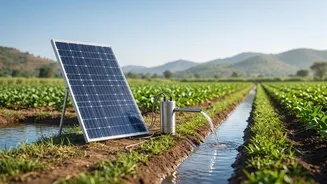
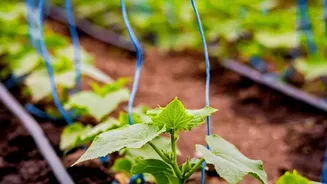
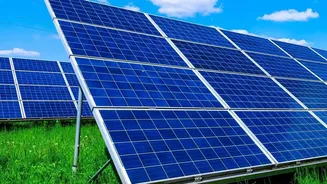
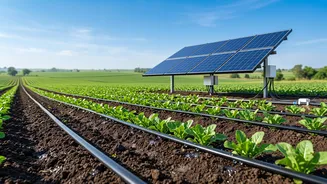
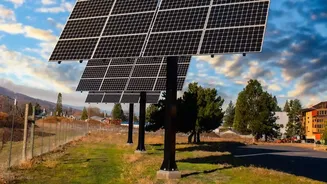
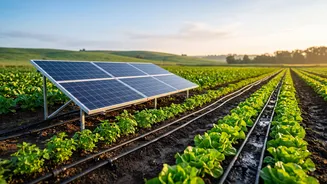
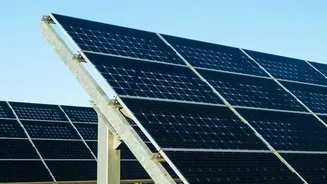
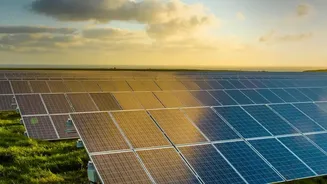
Enter the off-grid solar drip irrigation system. This technology offers a two-pronged solution, tackling both energy and water challenges simultaneously. The system is elegantly simple: photovoltaic (PV) panels capture sunlight to power a water pump. This pump draws water from a well, pond, or canal and feeds it into a network of pipes. Instead of flooding the field, this network uses emitters to deliver water directly to the root zone of each plant, drop by drop. The “off-grid” component is crucial. By generating their own power, farmers are completely independent of the local electricity grid and diesel suppliers. This means they can irrigate during peak daylight hours when the sun is strongest and plants are most active, without worrying about power cuts or fuel costs. It’s a self-sustaining model that puts control back into the hands of the farmer.
More Crop Per Drop
The impact of this technology is transformative. Drip irrigation can reduce water consumption by 30% to 70% compared to traditional methods, a critical saving in water-stressed regions. By delivering water and nutrients directly to the roots, the system minimizes waste and ensures plants get exactly what they need. This precision leads to healthier crops and significantly higher yields, with studies showing increases of 20% to 40% or even more for certain crops. For example, a project in Palghar district helped increase the total cultivated area from just five acres to nearly 96 acres by making year-round irrigation possible. Farmers who once grew only monsoon-dependent crops like paddy are now diversifying into high-value vegetables and fruits, leading to a substantial rise in income. In one village, total income from agriculture grew from roughly ₹18 lakh in 2021 to over ₹31 lakh by 2024.
From Policy to Paddy Field
The widespread adoption of these systems has been accelerated by government support. The Pradhan Mantri Kisan Urja Suraksha evam Utthaan Mahabhiyan (PM-KUSUM) scheme, launched in 2019, has been a key driver. Under this program, farmers receive significant subsidies—often 60% or more of the initial cost—to install standalone solar pumps. Maharashtra has emerged as a leader in the scheme's implementation. This financial assistance makes the initial investment, which can be a barrier for small and marginal farmers, far more manageable. The combination of government policy, NGO support, and corporate social responsibility initiatives has created a thriving ecosystem, enabling the technology to scale from isolated successes to a widespread agricultural movement.
Cultivating a Resilient Future
Off-grid solar drip systems are more than just an efficiency tool; they represent a fundamental shift towards climate-resilient agriculture. By decoupling farming from fossil fuels and inefficient water use, the technology strengthens rural economies and reduces agriculture's carbon footprint. For many farmers, the reliable income has reduced the need for seasonal migration to cities in search of wage labour, strengthening family and community ties. As weather patterns become more erratic, empowering farmers with sustainable, self-reliant technology is essential for ensuring food security. The success across Maharashtra provides a powerful blueprint for how targeted innovation can cultivate a more prosperous and sustainable future for agriculture across India.