


From Ruined Plans to Rhythmic Pauses
For generations, the goal of travel was to do as much as possible. A rainy day was a frustrating obstacle, a day wasted indoors while the bucket list went unchecked. This mindset, driven by a fear of missing out (FOMO), is beginning to fade. In its place,
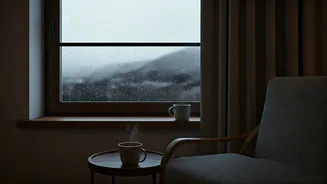
a new philosophy is emerging: the Joy of Missing Out, or JOMO. [2, 4, 6] This trend sees travellers intentionally swapping jam-packed itineraries for slower, more meaningful escapes. [4] Instead of viewing rain as a trip-ruiner, these travellers see it as permission to pause. The steady rhythm of rainfall becomes the soundtrack for a day of rest and reconnection, transforming a potential disappointment into a deliberate, welcome slowdown. [7, 16]
The Philosophy of 'Slow Travel'
This shift is a core component of the broader "slow travel" movement, an offshoot of the slow food and slow living philosophies that began in Italy. [1, 12] Slow travel prioritizes connection over checklists—connection to a place, its people, its culture, and ultimately, oneself. [8, 9] It’s about quality over quantity, urging us to spend more time in fewer places to truly absorb the local rhythm. [9, 18, 22] A rainy day perfectly complements this mindset. It forces you to abandon the rush and engage with your immediate surroundings, whether it's a cozy café, a quiet museum, or simply the view from your window. [7] This approach aligns with a growing desire for travel to be a form of self-care and a way to improve mental well-being, with 56% of travellers in a recent Hilton report citing their primary motivation as the need to rest and recharge. [15]
What a Slow, Rainy Day Looks Like
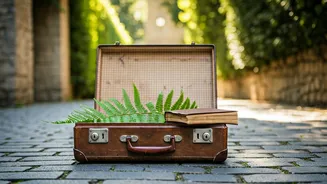
So what does this “slow-life upgrade” actually involve? It’s less about a specific activity and more about a state of mind. It could mean finally starting that book you packed, with the sound of rain as your backdrop. [16] Many travellers are now planning for this, with reading retreats and “readaways” becoming a notable travel trend. [13, 17] It might be finding a local café and lingering over a coffee, simply people-watching and absorbing the atmosphere. [9] For others, it’s a chance for creative expression, like journaling, painting, or meditating. [7] It can also be about shared experiences, like playing a board game, having a long, unhurried conversation, or even taking a cooking class to immerse yourself in local cuisine. [16, 23] The key is to trade the pressure to “see and do everything” for the freedom to do what feels most restorative in the moment. [4]
Packing for a Puddle-Positive Trip
Embracing rainy days starts with being prepared. This doesn’t mean packing for a monsoon, but a few key items can transform your experience. A good raincoat with a deep hood is essential, as is proper footwear. [24] Instead of bulky rain boots, consider water-repellent leather shoes or sneakers with a Gore-Tex layer that offer more versatility. [24] Wool socks are a smart choice as they retain warmth even when damp and dry quickly. Beyond clothing, the right accessories can make all the difference. Pack a good book, a travel-sized board game, or a journal and pens. [7] Bringing your favourite tea or a small candle can instantly make a hotel room feel cozier. The goal is to pack items that facilitate rest and quiet enjoyment, turning your room into a welcome sanctuary rather than a place you feel “stuck.”