


Why Monsoon Humidity Is Your Grip's Enemy
During the monsoon, the air is saturated with moisture. This high humidity drastically reduces how effectively your sweat evaporates, which is your body's primary cooling mechanism. The result? You feel hotter, your heart works harder, and everything
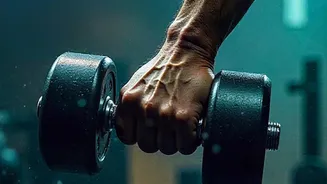
gets incredibly slippery. That dumbbell you usually press with ease feels slick, the pull-up bar seems treacherous, and even your yoga mat can lose its traction. This isn't just uncomfortable; it's dangerous. A failing grip can lead to dropped weights, falls, and injuries that could set your fitness goals back for weeks. It compromises form and stability, turning a productive session into a potential hazard.
Grip Strength: A Marker of Overall Health
Focusing on grip isn't just about preventing accidents. Research shows that grip strength is a reliable indicator of your overall muscle strength, bone density, and even your long-term health. A strong grip is linked to a lower risk of falls, better recovery from illness, and is essential for performing compound exercises like deadlifts, rows, and pull-ups that build functional, full-body strength. Think of it as the foundation of your strength. Without the ability to hold on securely, the strength of your back, legs, and core can't be fully expressed. By training your grip, you're not just strengthening your hands and forearms; you are building a more resilient and capable body.
Your Essential Monsoon Grip Workout
Integrating grip work into your routine is simple and doesn't require a lot of fancy equipment. Aim to perform these exercises two to three times a week, either at the end of your regular workout or on a separate day. Remember to warm up your hands and wrists with some simple rotations before you begin. Listen to your body and don't push through sharp pain. The goal is to build strength progressively, not to strain your muscles.
The Farmer's Walk
This is one of the most functional exercises you can do. Simply pick up a heavy dumbbell or kettlebell in each hand, keep your chest up and shoulders back, and walk for a set distance or time. It challenges your grip endurance, core stability, and posture all at once. If you don't have weights, you can use filled water bottles or heavy shopping bags. The key is to walk with control and maintain a firm grip for as long as you can.
The Dead Hang
The simplest and arguably most effective grip-builder is the dead hang. All you need is a sturdy pull-up bar. Grasp the bar with an overhand grip, slightly wider than your shoulders, and simply hang. Let your body hang completely relaxed, decompressing your spine while your hands and forearms do all the work. Start by aiming for 20-30 seconds and progressively increase the time as you get stronger. It's a brutal but brilliant test of grip endurance.
Towel and Plate Exercises
To add another layer of difficulty, loop a towel over a pull-up bar and perform hangs or pull-ups while gripping the ends of the towel. This forces your hands to work much harder. Another great exercise is the plate pinch. Hold two weight plates together, smooth side out, and pinch them with your fingertips. This specifically targets your thumb and finger strength, which is crucial for a secure grip. Start with lighter plates and work your way up as your pinch strength improves.