


Moving Past the Morning Defaults
For many urban Indians, breakfast has long been a rotation of a few trusted staples. Before packaged breads and cereals became common, mornings across the country began with foods that were intensely local and seasonal. Meals built from rice, millets,
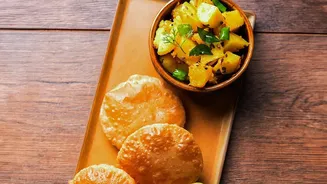
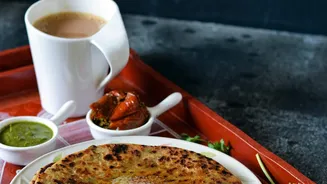
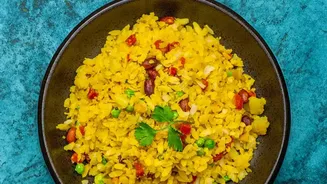
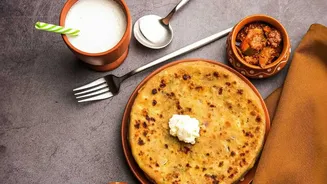
and lentils were the norm. While dishes like dosa, poha, and parathas remain beloved, they represent just a fraction of India's breakfast heritage. Now, a growing curiosity is pushing food lovers to look past these defaults and explore the unique specialities from different regional kitchens, many of which had quietly slipped out of the mainstream.
The Search for Authenticity and Wellness
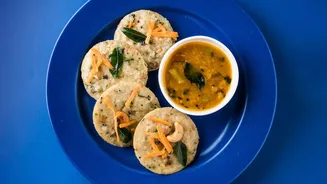
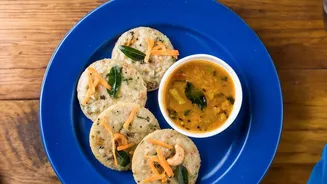
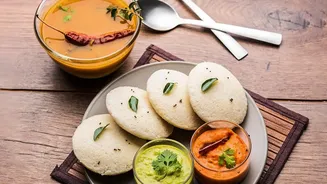
What’s driving this revival? A major factor is a collective turn towards wellness and nutrition. Many traditional Indian breakfasts are inherently healthy, offering a balanced mix of complex carbohydrates, plant-based proteins, and fiber. Fermented batters, like those used for idli or appam, provide probiotics that support gut health, while ingredients like ragi offer high calcium and iron. This search for nutritious meals is coupled with a deeper desire for authenticity. In a globalised world, younger generations are finding a sense of identity and connection by exploring their own culinary roots, celebrating dishes that tell a story about their specific region and culture.
How Social Media is Fuelling the Trend
This rediscovery is being amplified significantly by social media. Platforms like Instagram and YouTube have become powerful tools for culinary exploration, allowing food bloggers and home cooks to showcase the visual appeal of regional dishes. A beautifully shot reel of a lesser-known dish can spark widespread curiosity overnight. This digital spotlight helps preserve culinary traditions by educating younger generations and audiences worldwide about India's incredible food diversity. Once eclipsed by more famous foods, regional specialities like Maharashtrian pithla-bhakri or Bengali shorshe ilish are now gaining much-deserved recognition.
A Taste of India's Mornings
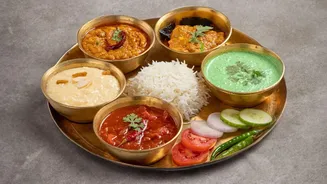
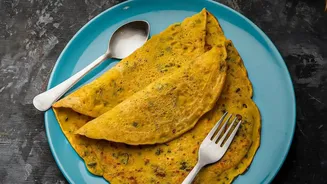
The sheer variety of these rediscovered breakfasts is staggering. In Andhra Pradesh, there's the Pesarattu, a crispy dosa-like crepe made from whole green gram. Bihar offers the hearty Sattu Paratha, stuffed with roasted Bengal gram flour and spices. From Goa comes Pao-Tonak, a stew of dried peas served with local bread, while Chhattisgarh has Phara, steamed and sautéed rice flour dumplings. In Assam, a simple breakfast of Jolpan consists of flattened or puffed rice served with curd and jaggery, and from Gujarat, there is the savoury Handvo, a slow-cooked fermented rice and lentil cake.
More Than Just a Meal
Embracing these dishes is about more than just trying a new recipe. It's an act of preserving cultural heritage. Many of these breakfasts are linked to local agriculture, festivals, and family histories. For instance, Pitha in Bengal is associated with winter and seasonal eating, with recipes often passed down orally through generations rather than being written in cookbooks. This revival, therefore, is not just about food; it's about reconnecting with the stories, traditions, and local wisdom embedded in every meal.