


The Algorithm Is The New Stylist
Welcome to the 'feed-first' era, where style is discovered, adopted, and discarded at the speed of a scroll. For Generation Z, fashion inspiration doesn't come from traditional gatekeepers but from the hyper-personalized, algorithmically curated content
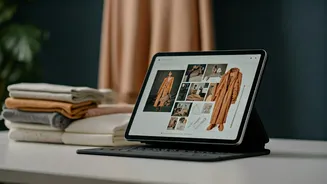
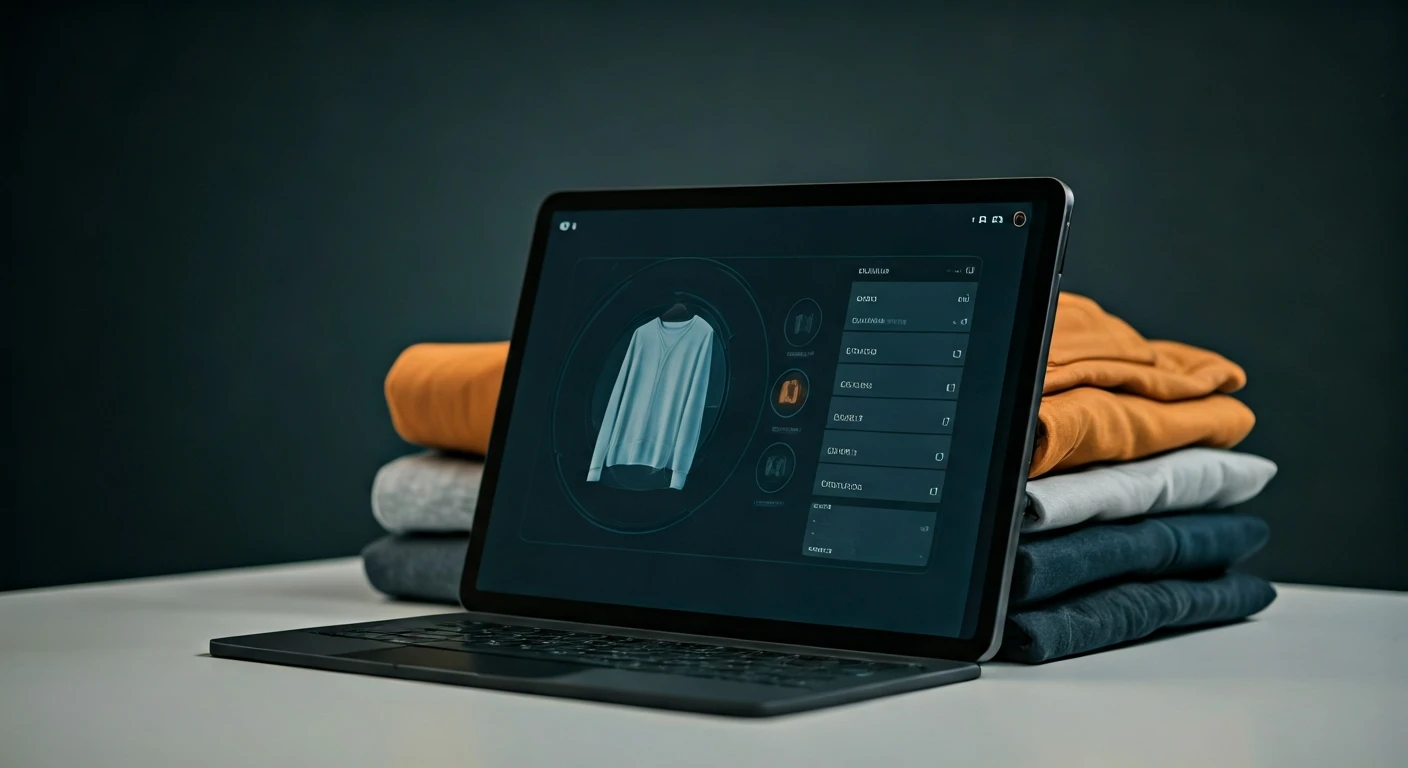
on platforms like TikTok and Instagram. [4, 15] This digital-native generation has grown up with feeds that learn their preferences, creating a dynamic where the algorithm effectively becomes a personal stylist, predicting and suggesting what they'll want to wear next. [18] Brands no longer dictate trends from the top down; instead, trends emerge organically from user-generated content, viral challenges, and influencer hauls, creating a more democratized but chaotic fashion landscape. [2, 11] It's a world where anyone can become a trendsetter with a single viral video. [2]
The Rise and Fall of the Micro-Trend
The most significant outcome of feed-first fashion is the acceleration of the trend cycle. [8] What used to take 20 years to cycle back into vogue now happens in months or even weeks. [1] This has given rise to the 'micro-trend': niche aesthetics that explode in popularity almost overnight, only to vanish just as quickly. [6] Think of aesthetics like 'cottagecore,' 'Y2K revival,' or 'coastal grandmother'—these aren't just styles, they're entire online identities that users can adopt. [6, 13] This rapid turnover is fueled by fast-fashion giants who can replicate a look seen on TikTok and have it available for purchase almost instantly, feeding a cycle of constant newness and consumption. [1, 3] An item can be a must-have one week and on the sales rack the next. [1]
From Hauls to Homogeneity
While the feed democratizes fashion, it also creates new pressures. The constant exposure to what's trending can lead to a fear of being left out, encouraging impulse purchases and overconsumption. [1] The 'haul' video, a staple of YouTube, has evolved into short-form content on TikTok where creators show off massive purchases from ultra-fast-fashion brands. [3, 4] This has been dubbed 'dupe culture,' where finding cheaper alternatives to high-end items becomes a game. [6] Paradoxically, a system built on individual expression can sometimes lead to homogeneity. When everyone is watching the same viral videos and buying the same trending items, originality can be lost. [5] The pressure to be unique can ironically result in everyone looking the same. [15]
A Search for Authenticity
However, Gen Z is a generation of contradictions. The same group driving hyper-fast trend cycles is also deeply concerned with social and environmental issues. [7, 14] There's a growing awareness of the negative impacts of fast fashion, leading to a surge in thrifting, upcycling, and supporting sustainable brands. [8, 12] For many, the focus is shifting from following trends to curating a personal style that feels authentic, even if it uses retro or thrifted pieces. [22, 23] This generation doesn't just want to buy clothes; they want to express their identity and values. [9, 20] They are more likely to reward brands that are transparent and take a stand on social issues, even as they participate in the fast-fashion ecosystem. [12, 14]