

The Simple Economics of Movement
The most straightforward reason for the two-wheeler's reign is its affordability. For a significant portion of the Indian population, purchasing a car remains a distant dream, but a scooter or motorcycle is an attainable asset. The low upfront cost, combined
with superior fuel efficiency and cheaper maintenance, makes it the default choice for personal mobility. In a country with fluctuating fuel prices, the economic logic of a vehicle that offers more kilometres to the litre is difficult to argue against. This financial accessibility ensures that as millions join the urban workforce, the two-wheeler is their first step towards independent, personal transport. More than half of all Indian households own a two-wheeler, while car ownership languishes below ten percent, a statistic that speaks volumes about its role in daily life.
Solving the Stubborn Last-Mile Problem
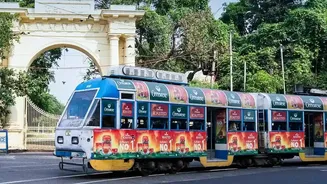
Even as cities like Delhi, Mumbai, and Bengaluru expand their metro rail networks, a fundamental problem persists: getting from the station to your final destination. Public transport systems, for all their benefits, often fail to provide seamless door-to-door connectivity. This 'last-mile gap' is where the two-wheeler excels. It offers the flexibility to navigate narrow lanes and dense neighbourhoods where buses cannot go and autos may be unavailable or expensive. For millions of commuters, a two-wheeler is the critical link that makes using public transport viable, serving as the connective tissue between home, the metro or bus stop, and the workplace. Without it, the convenience of mass transit would be significantly undermined.
Designed for Congestion and Scarcity
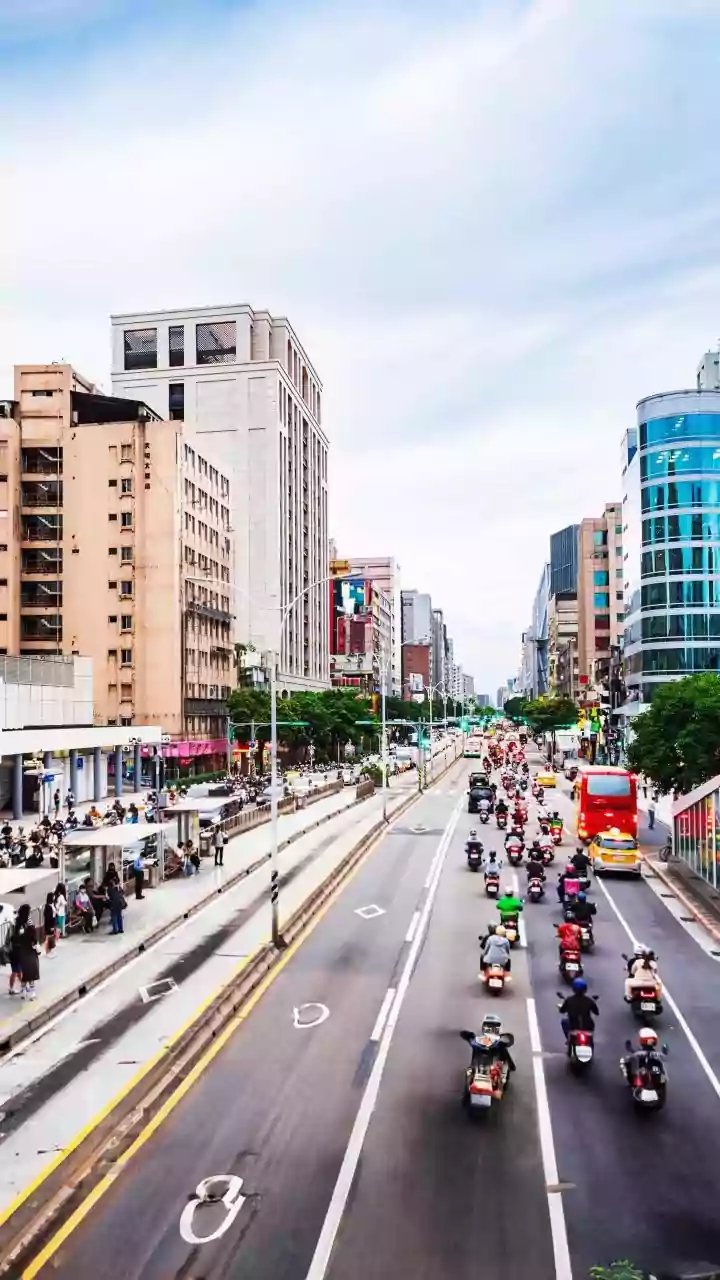
Indian cities are notoriously congested. Traffic jams cost the economy billions annually in lost productivity and wasted fuel. In this environment, the small footprint and agility of a motorcycle or scooter are not just conveniences; they are strategic advantages. Riders can filter through slow-moving traffic, a practice that, while often chaotic, significantly cuts down commute times compared to being stuck in a car. Furthermore, a lack of adequate road infrastructure and limited space for expansion in dense urban cores means that systems are perpetually strained. Two-wheelers are simply a more practical fit for the physical reality of these streets, where parking is scarce and roads are unable to handle the ever-increasing volume of larger vehicles.
The Engine of the New Economy
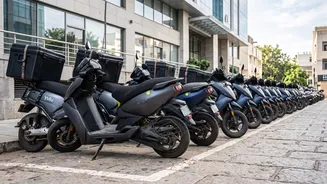
The explosive growth of the gig economy has transformed the two-wheeler from a personal vehicle into an essential tool for livelihood. Food delivery, e-commerce, and courier services are built on the backs of a massive fleet of riders. For an estimated 10 to 15 million gig workers in India, a motorcycle is their office and their key to earning an income. This commercial demand has added another powerful dimension to the two-wheeler market, with some projections suggesting the sector could add another seven to eight million vehicles to the roads by 2030. As quick commerce and on-demand services continue to expand, so too will the reliance on this affordable and efficient mode of last-mile delivery.
A Reflection of Public Transport's Shortfalls
Ultimately, the dominance of the two-wheeler is a direct reflection of the inadequacies of public transportation. Despite significant investment in capital-intensive projects like metros, bus services in many cities remain unreliable, overcrowded, and inconvenient. For many, particularly the lower-middle class, high metro fares can also be a deterrent. The two-wheeler boom, therefore, is not just a preference for private transport but a necessary adaptation to a public system that has failed to keep pace with rapid urbanisation. It represents a vote of no-confidence in the existing alternatives, filling a void that planners and policymakers have struggled to address effectively.