







Beyond the Degree
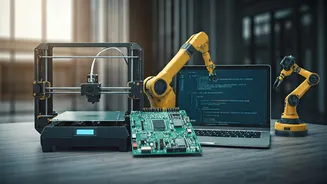
For years, a high GPA from a reputable college was the primary filter for campus recruitment. Today, that model is being reset. Indian employers are shifting from degree-based screening to a skills-first approach. [2] While academic credentials still
matter to establish credibility, they are no longer the sole ticket to an interview. Companies are now more interested in what a candidate can *do* rather than just what they have studied. [2] This change is driven by a simple reality: the modern workplace demands more than theoretical knowledge. With the rise of AI and automation, roles are becoming more fluid and cross-functional. [16] As a result, employers are prioritising a candidate's potential, their ability to learn, and their practical, demonstrable skills. [2] In fact, recent reports indicate that at least 30% of Indian companies have formally moved to skills-based hiring, a rate higher than the global average. [14]
The Communication Test
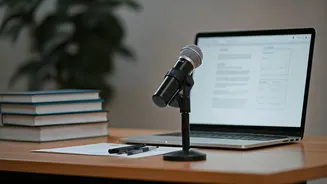
The single most sought-after soft skill is effective communication. In an increasingly automated world, human-centric skills have become more valuable than ever. [10] AI can write code or analyse data, but it cannot walk into a room, build trust with a client, or lead a team through a complex project. [2] Recruiters consistently find that many students, despite having strong technical knowledge, struggle to explain their own projects or articulate their thought processes during an interview. [25] It’s not just about proficiency in English; it's about clarity, structured thinking, and the ability to listen. Good communication skills directly impact productivity, teamwork, and client relationships. [17] Employers feel that while technical skills can often be taught on the job, the ability to communicate effectively is a core trait that is much harder to develop later. [5] This is why many job descriptions for freshers now explicitly list 'excellent communication skills' as a primary requirement. [23, 24]
The Confidence Factor
Closely linked to communication is confidence. This isn't about arrogance, but about professional composure and self-assurance. Interviewers often make strong initial judgments within the first few minutes, based almost entirely on non-verbal cues. [22] A candidate who enters the room confidently, maintains natural eye contact, and sits attentively communicates professionalism before answering a single question. [22] This display of confidence can be a deciding factor in whether a fresher gets hired. [17] It signals that a candidate is comfortable under pressure and can be trusted in client-facing or team-based roles. Employers are increasingly using internships as a pipeline to assess these traits in a real-world setting. [10] Internships allow companies to evaluate a candidate’s workplace behaviour, adaptability, and how they handle responsibility, reducing the risk associated with full-time hiring. [10, 9]
Conduct and Culture Fit
Finally, professional conduct and cultural alignment have become critical evaluation criteria. [9] As remote and hybrid work models become more common, employers need to trust that their employees are disciplined, motivated, and can collaborate effectively without constant supervision. [16] This includes everything from online work ethics to demonstrating an eagerness to learn. Companies are hiring for future potential, not just for the immediate role. [16] They want to see candidates who are adaptable, proactive, and show a genuine interest in the company's mission. Recruiters are now using structured, assessment-led hiring models and behavioural assessments to reduce bias and better predict a candidate's on-the-job success and alignment with the company culture. [6, 9] Ultimately, a candidate who demonstrates professionalism, a positive attitude, and the ability to be a collaborative team player is seen as a much more valuable long-term asset.