


The Fiber Factor You Can't Ignore
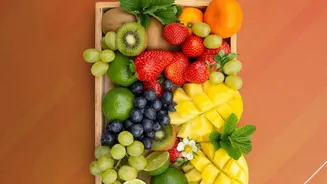
The most significant difference between eating a fruit and drinking its juice is the fiber content. Whole fruits are packed with dietary fiber, the structural part of the plant that gets left behind as pulp during juicing. This fiber is crucial for several
reasons. Firstly, it slows down the absorption of sugar into your bloodstream, preventing the sharp spikes and subsequent crashes in energy that can occur after drinking juice. This makes whole fruit a better choice for maintaining stable blood sugar levels. Secondly, fiber promotes a feeling of fullness, or satiety, which helps manage hunger and can prevent overeating. It also plays a vital role in digestive health, promoting regular bowel movements and feeding the beneficial bacteria in your gut.
The Protective Power of Pulp and Peel
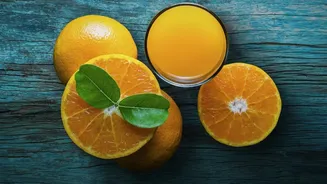
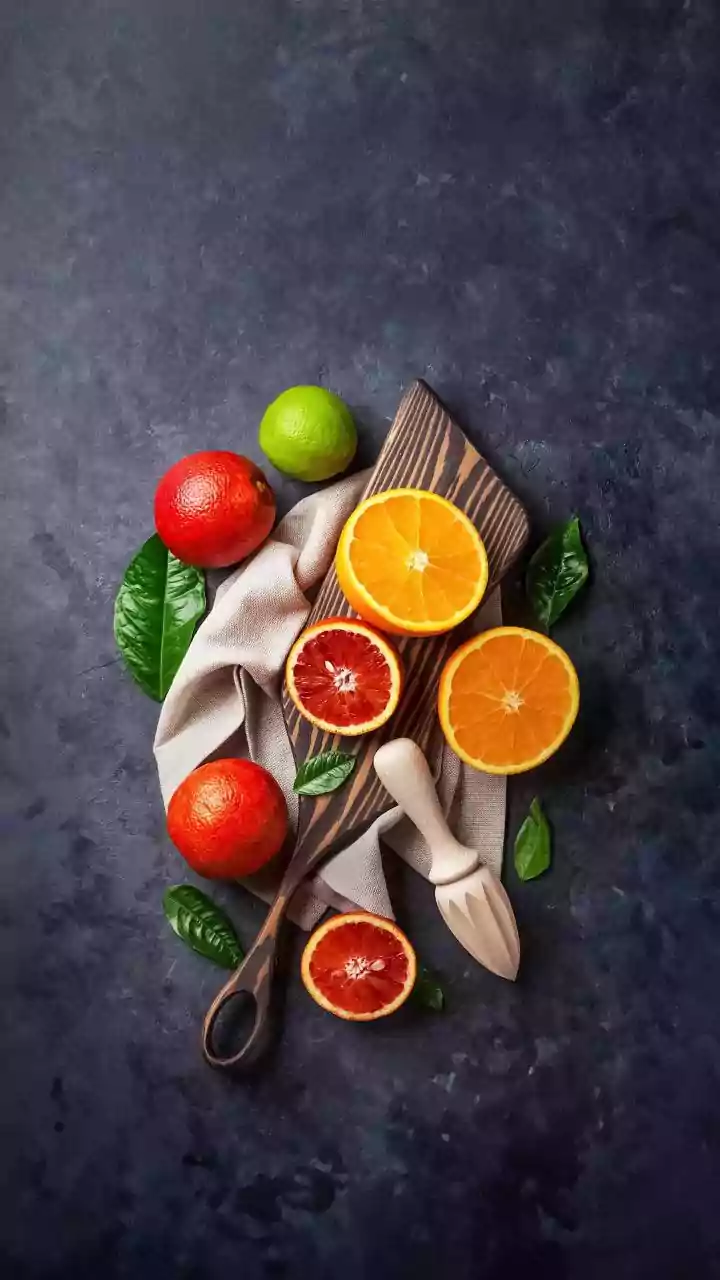
Beyond fiber, the pulp and skin of fruits are rich sources of powerful plant compounds called antioxidants and bioflavonoids. These substances, which include polyphenols and vitamins, act as the fruit's natural defense system and offer similar protective benefits to our bodies. They help combat oxidative stress by neutralizing harmful free radicals, which can reduce inflammation and lower the risk of chronic diseases. For example, much of an orange's beneficial flavonoids are stored in the pulp, not the juice. The process of cold-pressing, which separates the liquid from the solids, discards a huge amount of these valuable micronutrients along with the pulp. Research suggests that fiber and polyphenols work together synergistically, an effect that is completely lost when the fiber is removed.
What Happens During Cold-Pressing?
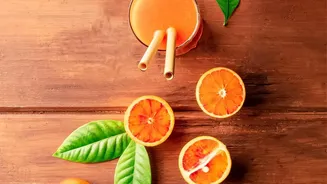
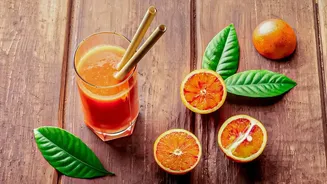
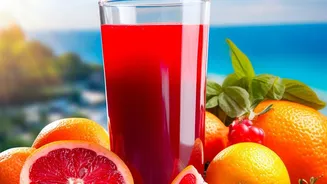
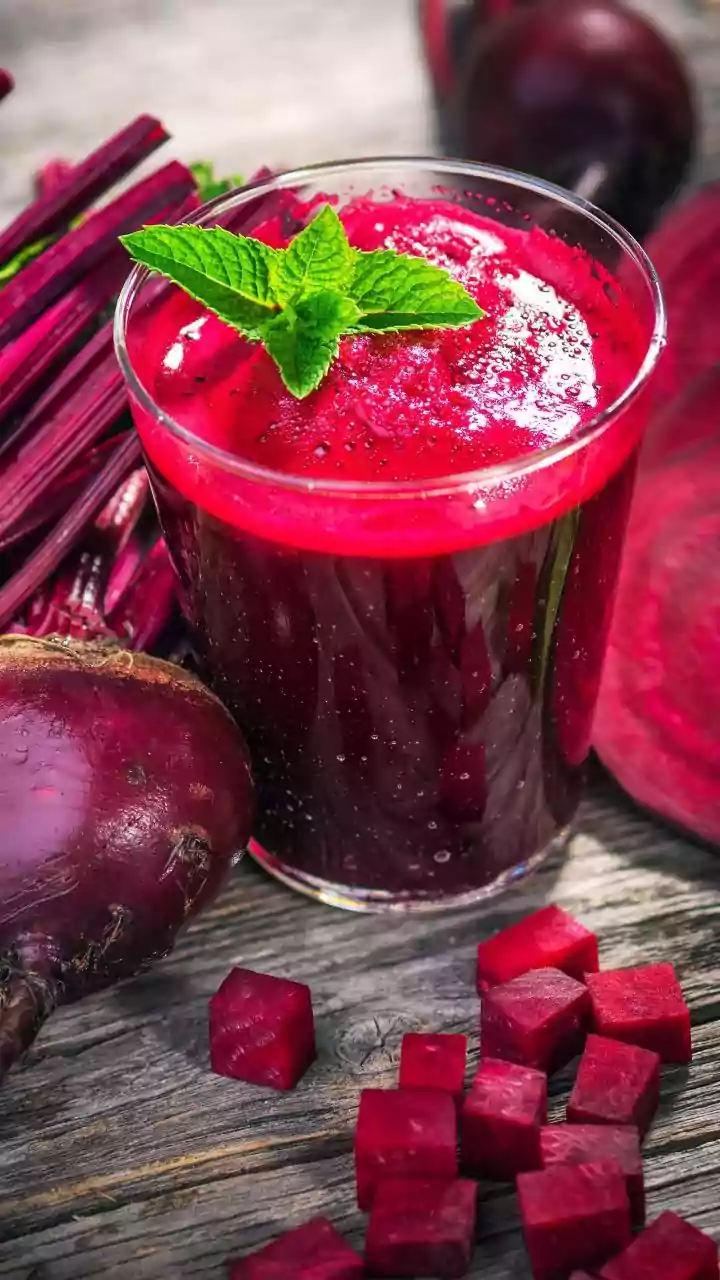
Cold-pressing involves using a hydraulic press to slowly crush and squeeze produce to extract the liquid. This method is often marketed as superior because it doesn't generate heat like traditional centrifugal juicers, which can degrade some heat-sensitive vitamins and enzymes. While this is true, the fundamental issue remains: it is a process of extraction. The main goal is to separate the juice from the solid components—the skin, seeds, and fibrous pulp. What you are left with is a concentrated liquid containing water, sugar, and some vitamins and minerals. However, the vast majority of the fruit's fiber and the phytonutrients bound to it are discarded. One analysis suggests that up to 95% of a fruit's fiber can be left behind in the pulp.
Is There Any Place for Juice?
While whole fruits are nutritionally superior, juice isn't entirely without merit. For individuals who struggle to consume enough fruits and vegetables, or for those with certain digestive conditions that make digesting fiber difficult, juice can provide a concentrated and easily absorbable source of some vitamins and minerals. It's a matter of perspective: juice should be seen as a supplement to a healthy diet, not a replacement for whole foods. If you do opt for juice, it remains a better choice than sugary sodas or artificially flavored fruit drinks. The key is moderation and understanding that it is not nutritionally equivalent to eating the fruit itself. For a healthier liquid option, consider a smoothie. Blending a whole fruit retains all the fiber, giving you the convenience of a drink without sacrificing the key nutrients.