



The Dangers of Too Much Love
Overwatering is perhaps the most common mistake made by enthusiastic plant parents. It's an easy trap to fall into, but it’s crucial to understand that constantly wet soil deprives roots of oxygen, leading to suffocation and a fungal condition called
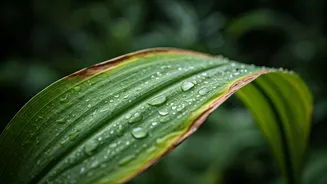
root rot. Signs of an overwatered plant can be misleading; they often include wilting leaves that feel soft and limp, yellowing or browning leaves that drop off, and a mushy stem near the soil line. You might also notice a foul odour coming from the soil. To save a drowning plant, first, stop watering. Gently remove the plant from its pot to inspect the roots. Healthy roots are firm and white or tan, while rotten ones will be brown, black, and mushy. Using clean scissors, carefully trim away all the damaged, soft roots and any heavily yellowed leaves. Repot the plant in fresh, well-draining soil in a container with drainage holes, which are essential to prevent water from logging at the bottom. After repotting, wait a few days before watering lightly. Moving forward, always check the soil moisture before watering again; a good rule is to water only when the top inch or two of soil feels dry to the touch.
Battling Unwanted Fungal Growth
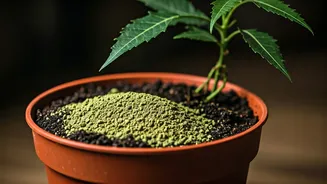
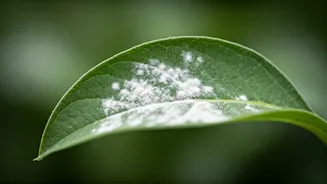
Fungal issues often go hand-in-hand with overwatering and poor air circulation. You might see a white, fuzzy layer on the soil, powdery mildew that looks like flour dusting the leaves, or dark spots. These conditions thrive in damp, stagnant environments. The first step is to isolate the infected plant to prevent the disease from spreading to others. Improve air circulation by ensuring plants aren't too crowded or by using a small fan. For issues on the leaves, you can often wipe them clean with a damp cloth. If the problem persists, several home remedies can be effective. A neem oil spray is a popular natural fungicide; mix it with water and a drop of mild soap and spray on the affected parts. A solution of baking soda and water can also control many fungal diseases. For fungus in the soil, you can sprinkle cinnamon powder on the surface, as it has natural antifungal properties. In severe cases, repotting the plant into fresh, sterile soil after cleaning the roots may be necessary.
Thriving in the Shade
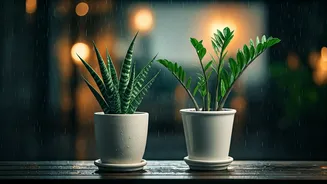
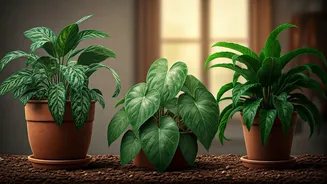
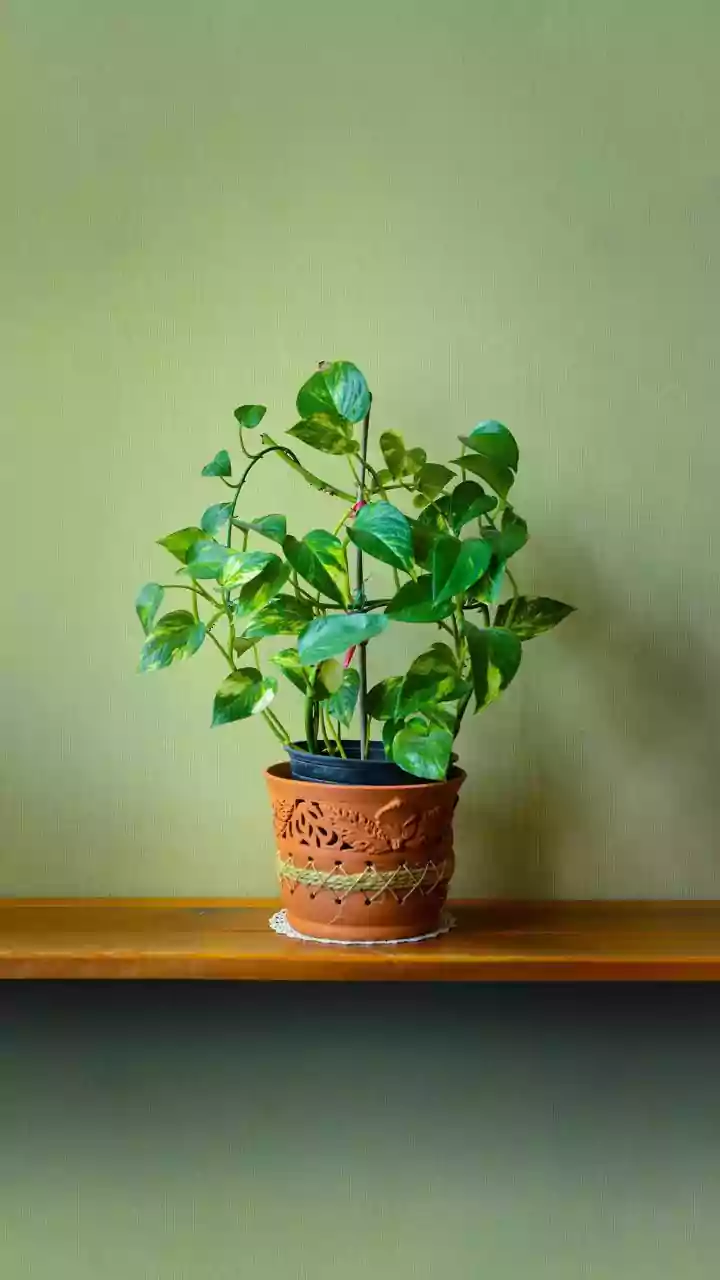
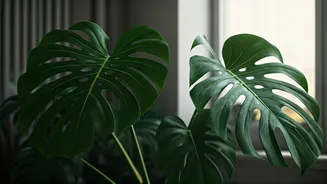
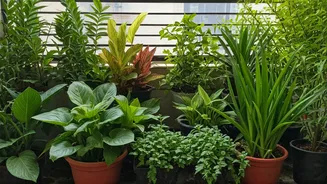
Many modern homes and apartments in India don't receive hours of bright sunlight, but that doesn't mean you can't have a lush indoor garden. The key is choosing plants that are naturally adapted to lower light conditions. A plant that isn't getting enough light may become 'leggy', with long, thin stems as it stretches towards a light source. Its leaves might also become pale or smaller than usual. Luckily, many hardy and beautiful plants thrive in the shadier corners of our homes. The Snake Plant (Sansevieria) is nearly indestructible and tolerates very low light and infrequent watering. Another excellent choice is the ZZ Plant (Zamioculcas zamiifolia), known for its glossy leaves and ability to survive on neglect. Pothos, or the common Money Plant, is a versatile favourite in Indian households that adapts easily to low light and can be grown in soil or water. Other great options include the elegant Peace Lily, various Aglaonema (Chinese Evergreen) varieties, and many types of ferns, which often enjoy the humidity of a bathroom or kitchen.
A Proactive Approach to Plant Care
The best way to deal with plant problems is to prevent them from starting. The most important rule is to know your plant. A quick search can tell you its specific preferences for light, water, and humidity. Always use pots with drainage holes to allow excess water to escape. Instead of watering on a rigid schedule, get into the habit of checking the soil first. Stick your finger about an inch or two deep; if it comes out dry, it's time to water. Remember that plants in low light need less water than those in bright sun because they photosynthesise more slowly. Wiping down the leaves with a damp cloth every few weeks not only keeps them looking shiny but also removes dust, allowing them to absorb more light and helping to prevent pests and fungal spores from settling. Finally, when bringing a new plant home, it's wise to keep it isolated from your other plants for a couple of weeks to ensure it doesn't introduce any pests or diseases into your collection.