








Which Areas Are On High Alert?
The India Meteorological Department (IMD) has issued alerts for several parts of Eastern and Northeastern India. Assam and Arunachal Pradesh are currently the most severely affected, with thousands of people impacted by floods and landslides. In Assam,
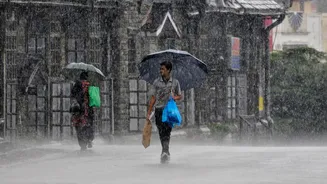
districts like Dhemaji and Lakhimpur are grappling with significant inundation, which has damaged infrastructure and submerged villages. The IMD also forecasts widespread heavy rainfall for Bihar, Jharkhand, Odisha, and West Bengal in the first week of July. This sustained downpour raises the risk of rivers overflowing and flash floods in low-lying areas. Authorities have advised residents in these regions to remain vigilant and follow official updates.
Understanding 'Flood-Watch Travel'
“Flood-watch travel” isn't an official term, but it perfectly describes the necessary mindset for commuting or travelling during this period. It means prioritising safety over schedules, expecting disruptions, and being prepared for the unexpected. Journeys will likely take longer, and some routes may be impassable. The key is to stay informed, remain flexible, and avoid non-essential travel to or through the most heavily affected zones. Authorities have repeatedly urged the public to avoid unnecessary travel and stay away from vulnerable areas like riverbanks and landslide-prone slopes.
Impact on Road and Rail Journeys
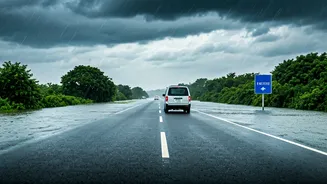
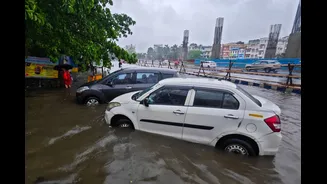
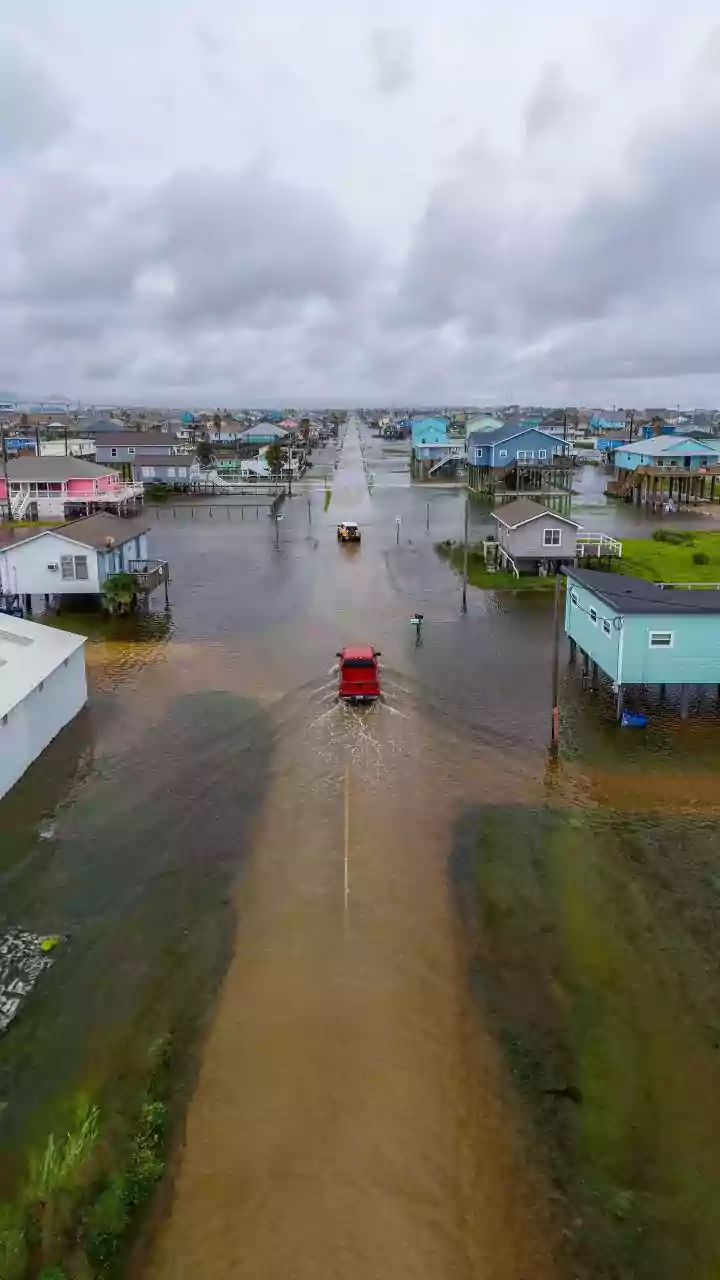
Road and rail networks are particularly vulnerable. In Assam, a railway bridge collapse in Dhemaji district has already led to the suspension of train services and cut off several villages. Landslides have blocked major roads in Arunachal Pradesh and parts of the Himalayan region, severing connectivity. Travellers should anticipate train delays, diversions, or cancellations. National highways and local roads may experience severe waterlogging or closures. Before starting any journey, it is crucial to check with Indian Railways for train status updates and consult local traffic advisories for road conditions. Many administrations have advised people to check for traffic congestion before leaving their destination.
Flights May Be Affected Too
While air travel is generally more resilient, it is not immune to severe weather. Heavy rain, strong winds, and poor visibility can lead to flight delays, diversions, or even cancellations at major airports in the region, such as those in Kolkata, Guwahati, and Patna. Recently, heavy rains in Mumbai forced the diversion of several flights. Always confirm your flight status with the airline before heading to the airport. It is also wise to account for extra travel time to the airport, as local transport can be severely hampered by waterlogged streets.
Your Monsoon Travel Safety Checklist
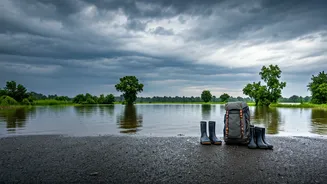
Being prepared can make a significant difference in an emergency. If you must travel, pack a monsoon safety kit. This should include a waterproof bag for your electronics and important documents, a fully charged power bank, a basic first-aid kit with essential medications, and some non-perishable snacks and drinking water. Keep a list of emergency contact numbers, including the district disaster management authority, local police, and your hotel or host. Also, download weather alert apps and keep family or friends informed of your travel itinerary.
Where to Find Reliable Information
In a crisis, misinformation can be as dangerous as the floodwaters. Stick to official and credible sources for updates. The India Meteorological Department (IMD) website (mausam.imd.gov.in) provides the most accurate weather forecasts and warnings. The National Disaster Management Authority (NDMA) also issues regular alerts and safety guidelines. For travel-specific information, consult the official websites and social media handles of Indian Railways, your airline, and state road transport corporations. Local news channels and newspapers are also valuable sources for on-the-ground reports.