





The Paradox of the Packed Itinerary
We are conditioned to believe that a successful holiday means a full one. We create detailed spreadsheets and book back-to-back tours, driven by a fear of missing out. This approach can turn a vacation into a checklist of experiences rather than a chance
to truly connect with a place. When the goal is nature journalling, this productivity mindset is counterproductive. The very essence of journalling—to slow down, observe deeply, and record your unique impressions—is at odds with a rushed agenda. An overscheduled trip can cause stress, forcing your mind to jump to the next logistical challenge instead of being present. True immersion requires a different currency: time.
The Art of Seeing, Not Just Looking
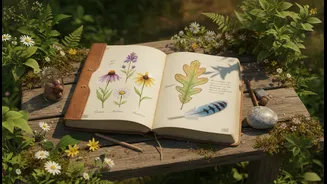
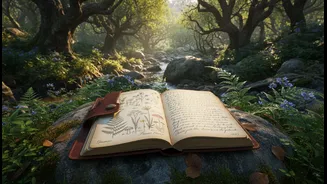
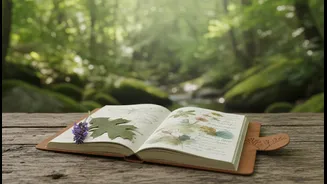
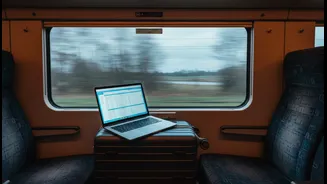
Nature journalling is the practice of recording your observations with sketches, notes, and questions. Its power lies in how it transforms your perception. You move from simply looking at a landscape to truly seeing its components: the way light hits a leaf, the intricate pattern on a beetle's back, the subtle shift in the wind. This level of detailed observation cannot be rushed. It requires patience and stillness. Think of it as moving from a high-speed train, where the scenery is a blur, to a leisurely walk, where every flower and stone can be examined. Unscheduled time is what allows you to stop, sit, and let the details of the world unfold at their own pace. It’s in these quiet moments that you build a genuine connection with nature and find the most interesting subjects for your journal.
How to Plan for Unstructured Time
Leaving blank space in your schedule feels unnatural to many, so it requires a conscious effort. Start by scheduling only one significant activity per day, such as a long hike or a visit to a specific viewpoint. This becomes the anchor, leaving the rest of the day flexible. Treat the hours around it as opportunities for spontaneous exploration. Instead of a rigid plan, create a loose list of potential points of interest—a promising side trail, a quiet cove, a large meadow—that you can explore if the mood strikes. This approach, often called 'slow travel', prioritizes depth over breadth. It also means being prepared for spontaneity; keep a small, portable journalling kit with you at all times so you're ready whenever inspiration hits.
Embracing the Gift of Serendipity
The most memorable travel moments are often the ones you didn't plan. It might be stumbling upon a hidden waterfall, having a rare bird land on a branch right in front of you, or simply finding the perfect spot to watch a sunset. These moments of serendipity are a direct reward for leaving your schedule open. When you aren't rushing to your next appointment, you have the freedom to follow your curiosity. You can linger in a spot that fascinates you, go down an unmarked path, or sit and wait to see what wildlife emerges. This freedom is essential for a nature journalist, as your work is not about capturing a pre-planned shot but about documenting the authentic, unfolding story of the environment around you.
What to Do With 'Nothing' to Do
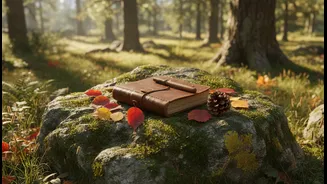
For those accustomed to constant stimulation, unscheduled time can feel like boredom. Reframe it as an opportunity for focused, mindful practice. Use your 'empty' hours to engage in simple exercises that sharpen your observational skills. Find a comfortable spot and sit for 20-30 minutes, simply noticing what you see, hear, and smell. Dedicate an entire journal page to a single small object, like a pinecone or a feather, and draw it from multiple angles. Write down questions that come to mind. These activities aren't 'doing nothing'; they are the core work of a nature journalist. They train your brain to pay closer attention, reduce stress, and foster a deeper, more meaningful connection to the natural world.