





Ditch Disposable Rain Gear
When the skies open up, it's tempting to grab a cheap, single-use plastic poncho or a flimsy umbrella that will likely break in the first strong gust of wind. These items are major contributors to plastic pollution, clogging drains and harming wildlife.
A smarter choice is to invest in durable, reusable rainwear. A sturdy raincoat and a well-made umbrella may cost more initially but will last for many seasons, significantly reducing waste and saving you money over time. For those seeking plastic-free alternatives, look for jackets made from materials like tightly woven organic cotton with a PFC-free water-resistant coating, or traditional waxed cotton. These options are not only effective but also more breathable than their synthetic counterparts.
Master a Moisture-Proof Kitchen
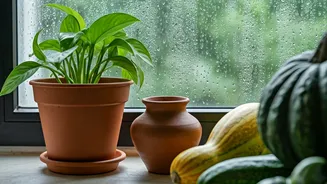
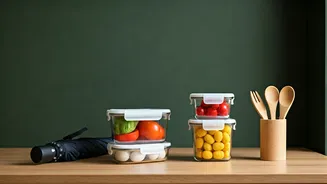
The high humidity during the monsoon can wreak havoc on your pantry, leading to food spoilage and waste. The key is to keep moisture out. Store dry goods like flour, rice, lentils, and spices in airtight containers to prevent them from clumping and growing mould. Glass containers with secure lids are particularly effective. For vegetables, line your refrigerator's crisper drawer with paper towels to absorb excess moisture. It’s also wise to buy fresh produce in smaller quantities more frequently to ensure it gets used before it spoils. Choosing seasonal and local monsoon produce like gourds, corn, and jamun not only reduces your carbon footprint but also supports local farmers.
Combat Food Spoilage Proactively
Beyond smart storage, a few extra steps can drastically cut down on food waste. High humidity accelerates the decomposition of organic waste, so it's important to manage your kitchen scraps effectively. Dispose of organic waste daily if possible. Better yet, start a compost bin. Monsoon composting requires some management to avoid becoming a soggy mess; ensure your bin is covered to protect it from rain and has good drainage. It's crucial to balance wet kitchen waste (like vegetable peels) with plenty of dry materials (like dried leaves, sawdust, or cocopeat) to maintain airflow and prevent foul odours. Stockpiling dry leaves before the rains begin is a great way to prepare.
Rethink Your Monsoon Commute
Heavy rains often lead to traffic jams and an increased reliance on single-occupancy vehicles. This contributes to air pollution and fuel wastage. Whenever possible, opt for more sustainable modes of transport. Carpooling with colleagues or using public transport can significantly reduce the number of vehicles on the road. For shorter distances, cycling with splash guards or simply walking with a good umbrella can be a refreshing and zero-emission way to travel. These choices not only reduce your environmental impact but also help alleviate the traffic congestion that plagues cities during downpours.
Manage Household Waste Mindfully
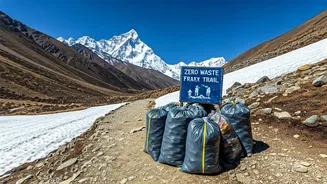
The monsoon can worsen the impact of improper waste disposal. Garbage left in the open mixes with rainwater, creating foul smells and becoming a breeding ground for pests and diseases. Clogged drains full of plastic and other debris are a primary cause of urban flooding. Make sure your household waste bins have tight-fitting lids to keep rain out and prevent garbage from overflowing. Segregating waste at the source—separating wet, dry, and recyclable materials—is more important than ever. Store recyclables like paper and cardboard indoors to keep them dry and ensure they can actually be processed.
Harness the Power of Rain
Instead of letting all that precious rainwater go down the drain, put it to good use. You can easily collect rainwater in buckets or larger containers. This water is perfect for tasks like watering indoor and outdoor plants, cleaning floors, or washing your vehicle. By using harvested rainwater, you reduce your reliance on treated municipal water, which helps conserve this vital resource, especially in regions that may face water scarcity at other times of the year. This simple act turns a seasonal challenge into a sustainable opportunity.